
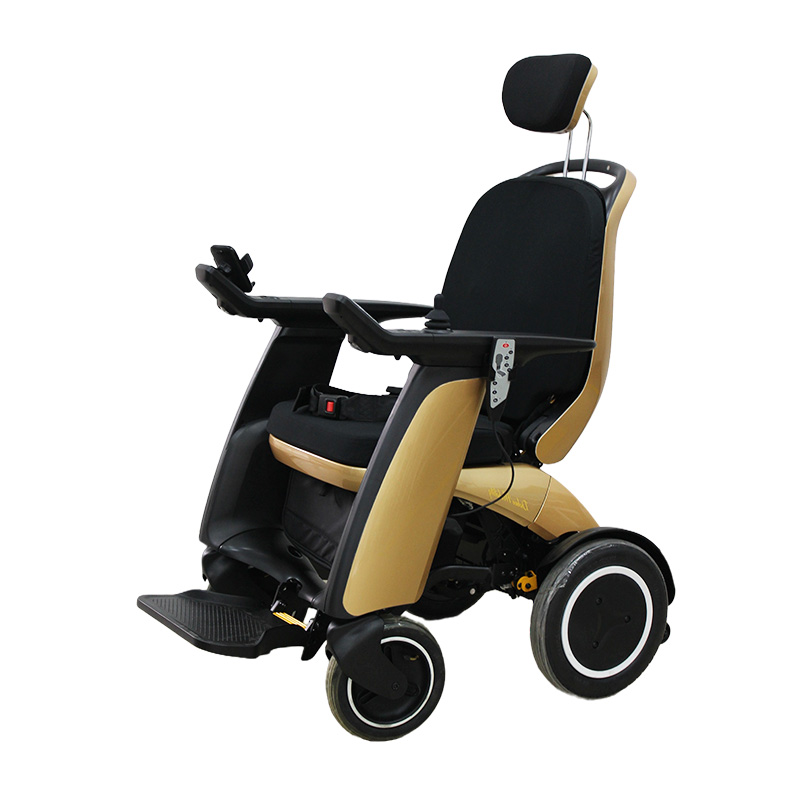
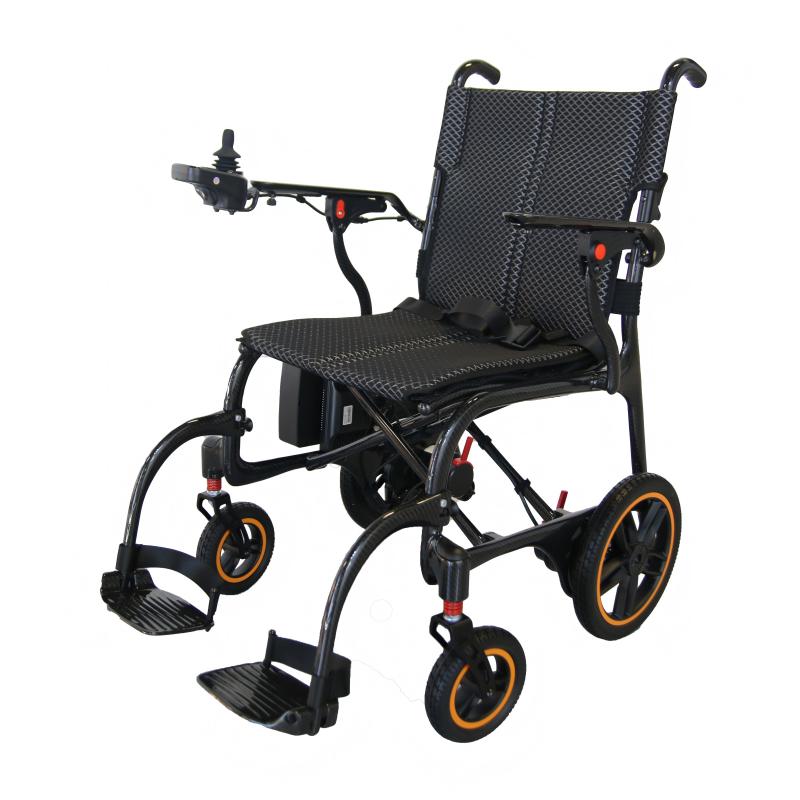
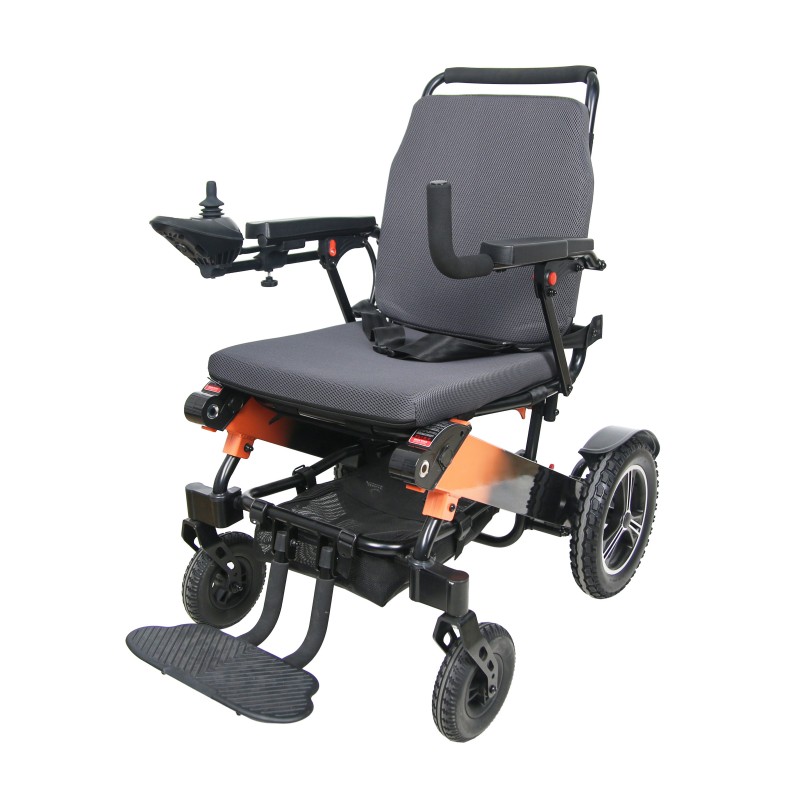
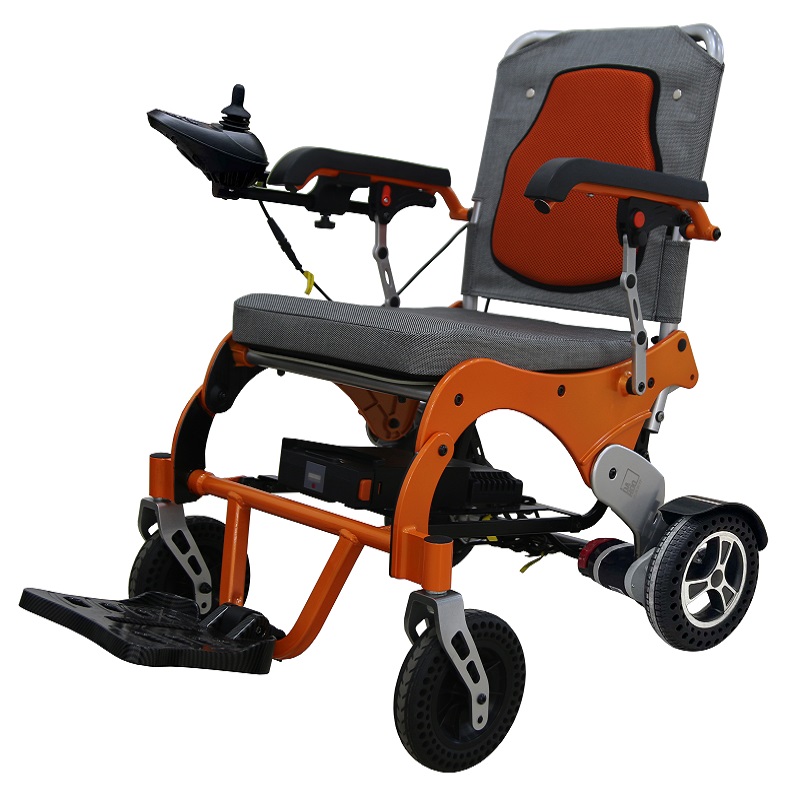
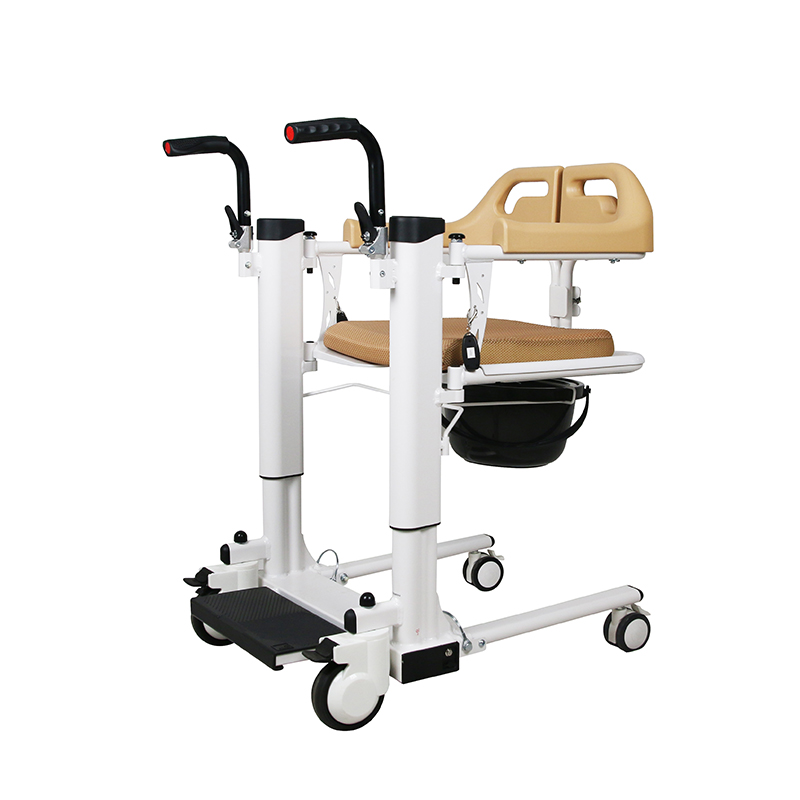
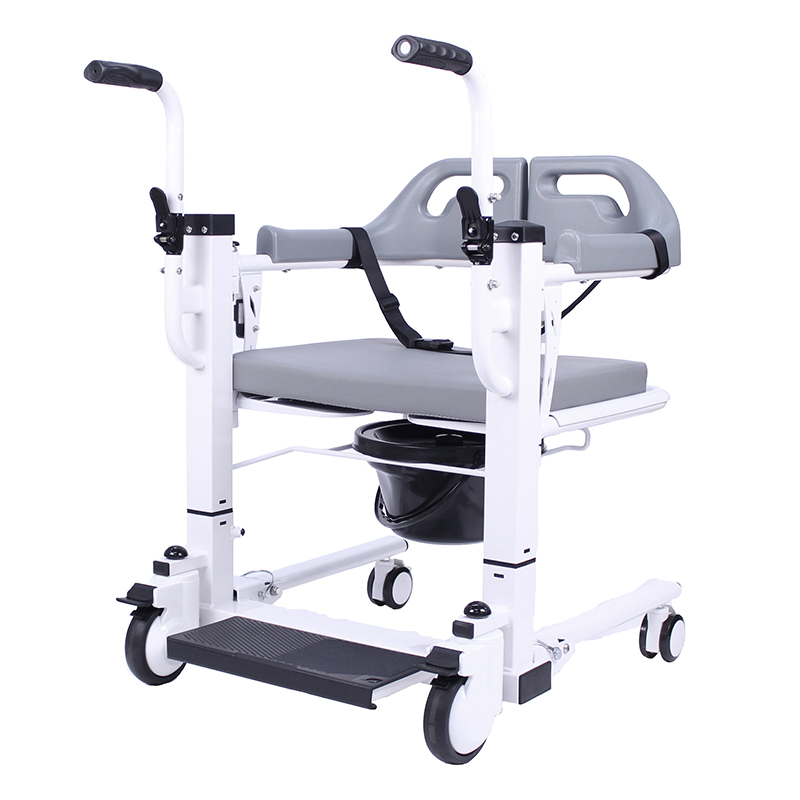
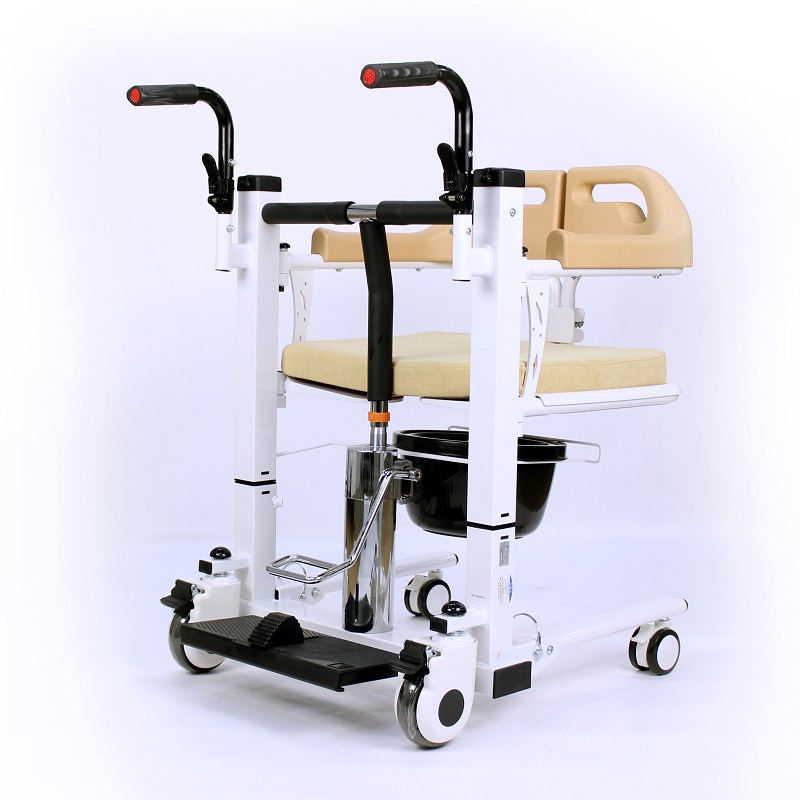
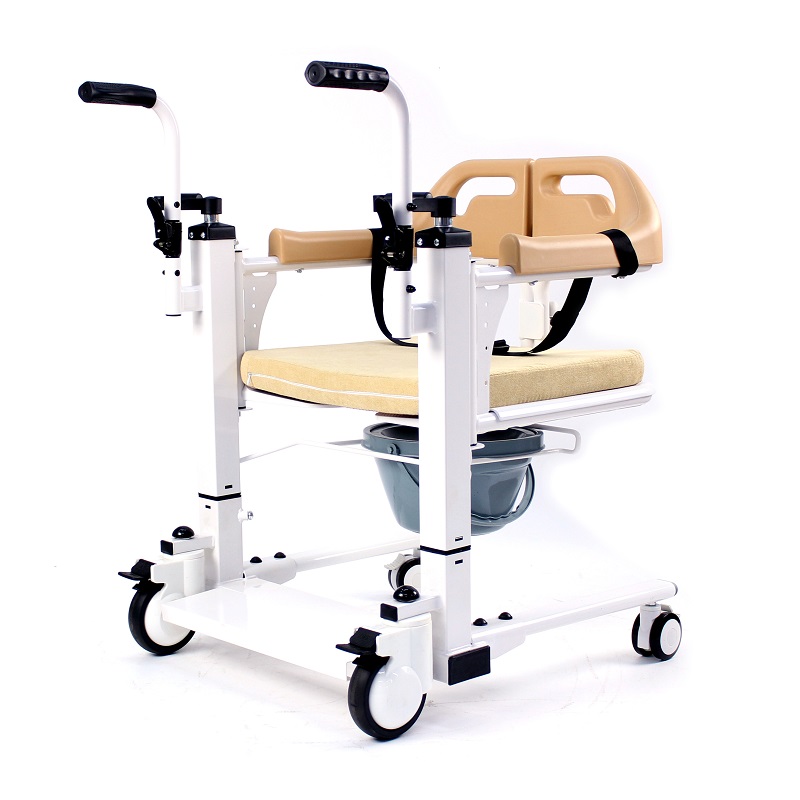
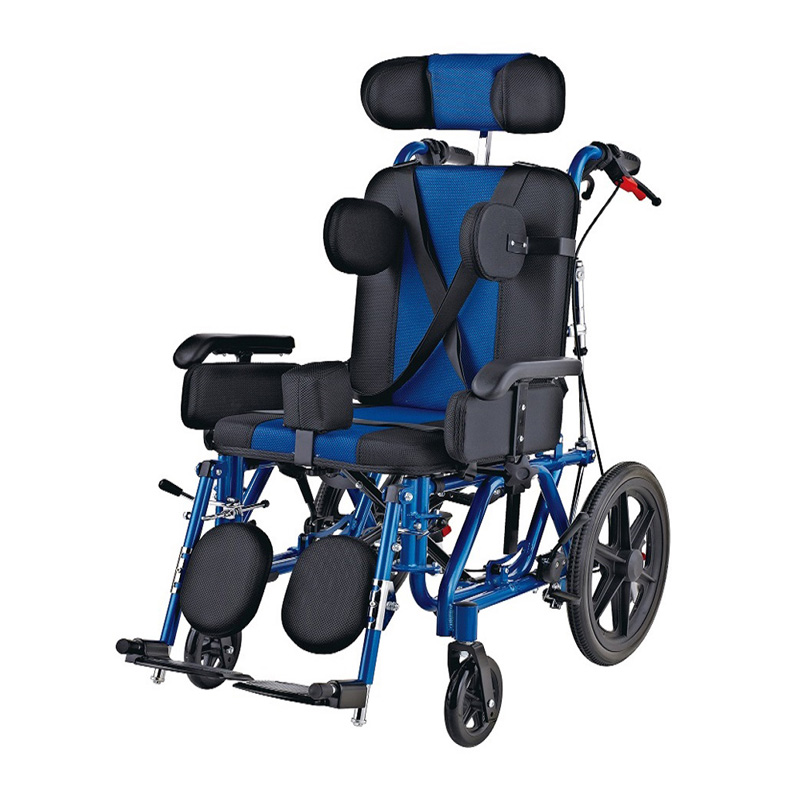
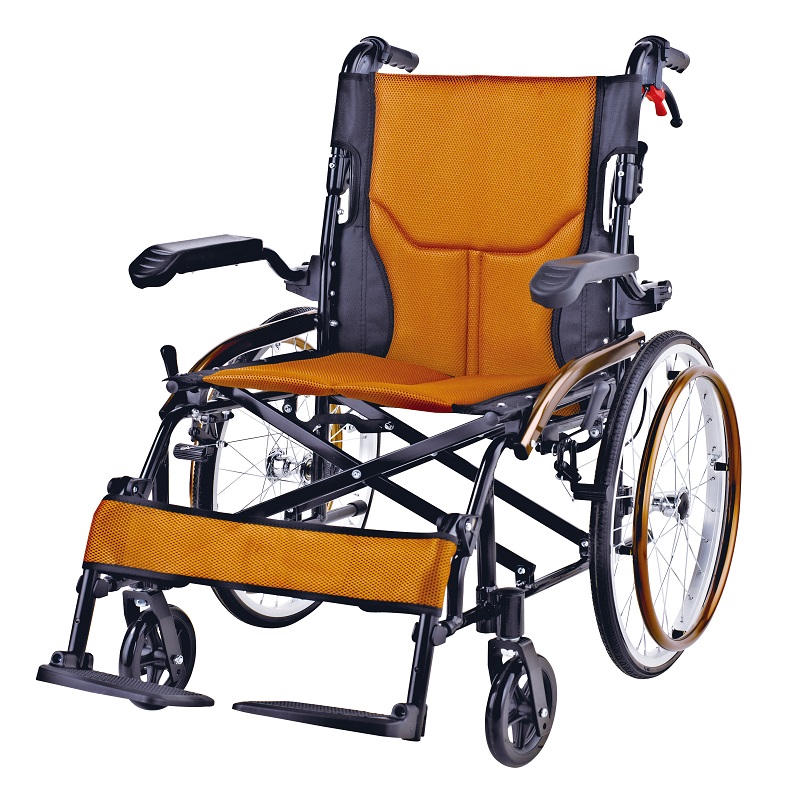
In modern medical institutions, patient transfer is a crucial part of the nursing and treatment process. Every movement—from the ward to the examination room, from the emergency room to the operating room, from the rehabilitation area to the ward—is related to the patient's safety and comfort. In these processes, medical staff need not only efficiency but also safety and a humane approach.
The lift transfer chair is a widely adopted medical assistive device precisely because of this need.
Understanding traditional wheelchairs or stretchers, a lift transfer chair can perform multiple functions such as lifting, rotating, tilting, and moving, facilitating patient transfers while reducing the physical burden on medical staff and improving overall work efficiency.
Therefore, understanding the benefits of using a lift transfer chair in hospitals involves not only understanding the device's functions but also recognizing its comprehensive value in terms of medical safety, nursing quality, and patient experience.
What is the difference between a lift transfer chair and a regular wheelchair?
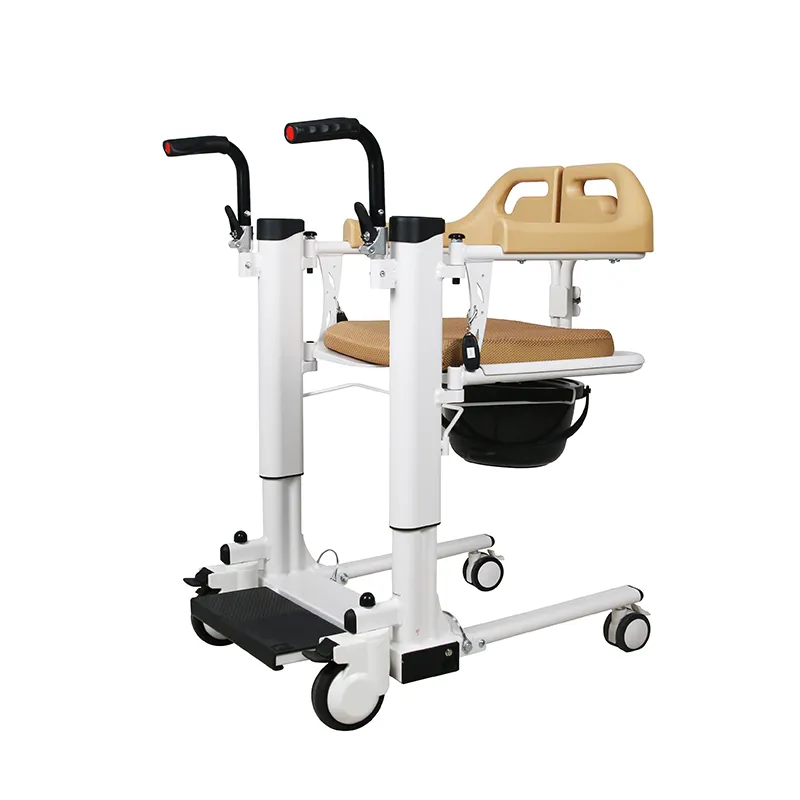
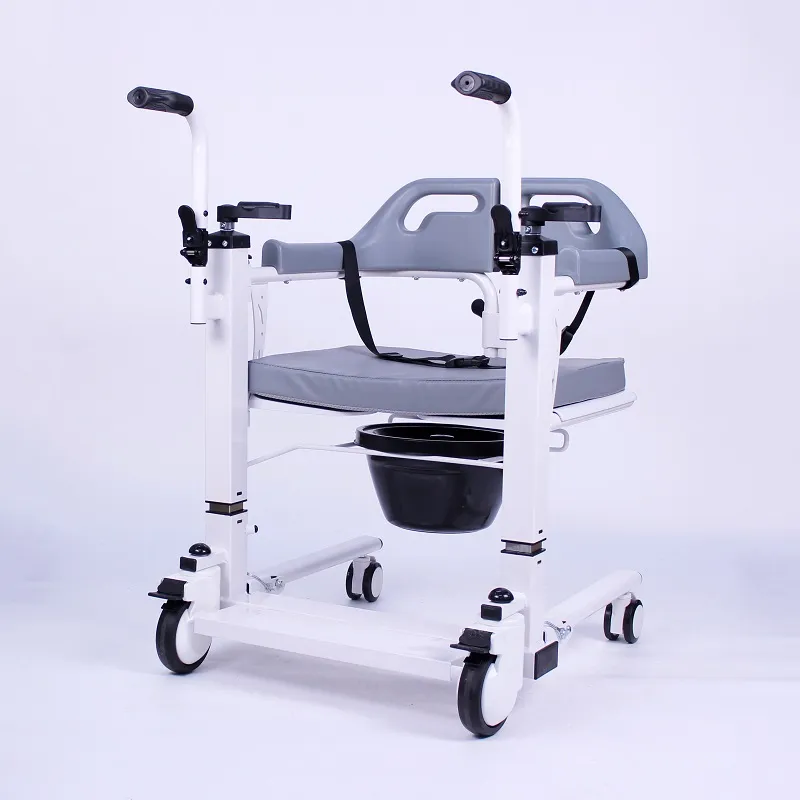
A lift transfer chair is a medical device designed for short-distance patient transfers, getting in and out of beds, or moving patients from examination tables. It integrates a lifting system, a set of wheels, and safety restraints, enabling medical staff to perform safe and efficient patient transfers without the need for vigorous movement.
Differences from Traditional Wheelchairs
Comparison Items | Lift transfer chair | Standard wheelchairs |
| Functional Design | Features lifting, tilting, and transfer functions | Used only for walking assistance |
| Usage Scenarios | For patient transfer and getting on and off beds within hospitals | For daily mobility of rehabilitation patients |
Safety Protection | Equipped with safety belts, braking system, and anti-tipping structure | Generally only has a braking function |
| Control Method | Electric or pneumatic lifting control | Manual operation |
| Nursing Burden | Significantly reduces weight | Requires manual handling |
Simply put, a lift transfer chair is a device optimized for the medical and nursing environment, prioritizing transfer safety and ease of operation.
Why Do Hospitals Need Lift Transfer Chairs?
In actual hospital operations, patient transfer is extremely frequent. Whether it's admission examinations, imaging diagnosis, rehabilitation treatment, or discharge, almost every step involves transfer.
Relying entirely on manual transport is not only inefficient but also prone to the following problems:
• Increased risk of strain on nursing staff: Repeated bending and lifting can easily lead to lumbar spine injuries.
• Increased risk of patient discomfort or secondary injury: Weak or post-operative patients are prone to strain or pain during transport.
• Impact on work efficiency and workflow: Manual transport is slow, especially in large hospitals, affecting the transfer flow.
Using a lift transfer chair significantly improves these problems. With its mechanical lifting and safety locking system, the lift transfer chair makes patient movement smoother, easier, and safer, becoming an important piece of equipment in the hospital nursing system.
How does the lift transfer chair improve patient safety?
1. Stable lifting system reduces the risk of falls
The lift transfer chair uses a hydraulic or electric lifting structure, enabling smooth ascent and descent, effectively preventing patients from slipping due to instability during transfer.
2. Multi-point restraint protection
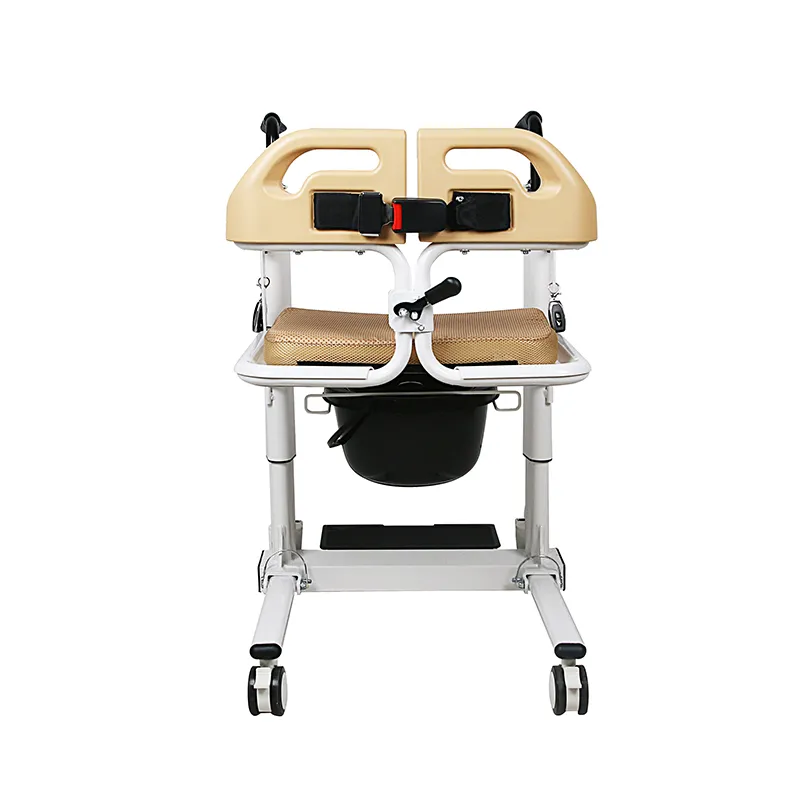
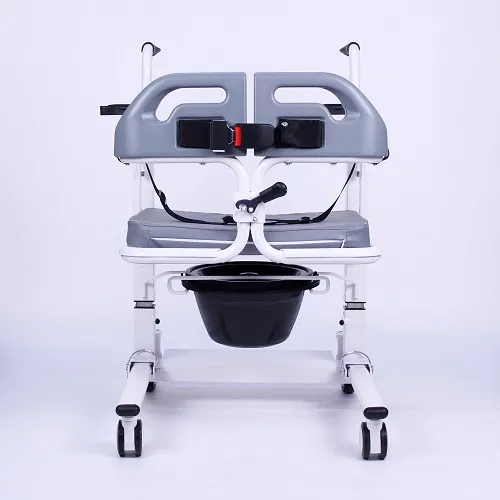
The equipment is equipped with safety belts, leg restraints, and chest restraints, which can be adjusted according to the patient's condition to prevent the body from tilting or sliding off the seat during movement.
3. Anti-tipping structure ensures a stable center of gravity
The lift transfer chair is typically designed with wide-spacing wheels and an anti-tipping system, maintaining stability even when raised, reducing the risk of tipping over.
4. Braking and locking functions enhance controllability
The independent braking system of the wheels allows medical staff to safely stop and lock the equipment in any ground environment, ensuring a safe and error-free transfer process.
Therefore, the structural design of the lift transfer chair prioritizes safety, making it one of the most reliable patient transfer tools in hospitals.
Does a lift transfer chair reduce the workload of medical staff?
This is a concern for many hospital administrators. The answer is yes.
1. Mechanical Lifting Replaces Manual Lifting
Traditional patient transfers typically require two to three nurses to lift the patient. The electric lifting mechanism of the lift transfer chair allows a single person to easily complete the transfer, significantly reducing manpower requirements.
2. Prevents Occupational Injuries
One of the most common occupational injuries for nursing staff is lumbar strain. The lift transfer chair allows nurses to transfer patients without bending over or exerting force, significantly reducing stress on the lower back.
3. Convenient Operation and Improved Efficiency
Through one-button lifting or pneumatic control, medical staff can quickly move patients, greatly shortening working time. This not only reduces physical exertion but also improves the overall operational efficiency of the hospital.
Therefore, the application of the lift transfer chair is a truly "burden-reducing" device for nursing staff.
Does a lift transfer chair improve patient comfort?
Comfort is a crucial indicator of nursing quality in modern healthcare. The lift transfer chair is designed with ergonomics in mind, considering the patient's positional needs in different states.
1. Ergonomic Seat Design
The seat and backrest of the lift transfer chair are optimized in angle to conform to the patient's body shape, reducing pressure from prolonged sitting.
2. Smooth Lifting and Lowering, Reducing Fear
The electric lifting motion is smooth, avoiding the insecurity or fear caused by violent shaking during traditional transfers.
3. Adjustable Backrest and Footrest
Different patients can adjust the tilt angle according to their own comfort, making the transfer process more natural and relaxing.
4. Reduced Risk of Secondary Injury
For postoperative or fracture patients, the lift transfer chair can complete the transfer without changing body posture, avoiding wound traction or pain.
In other words, the lift transfer chair not only makes medical staff's work easier but also makes patients feel more at ease.
What management benefits does a lift transfer chair improve in hospitals?
1. Improved Ward Operational Efficiency
Lift transfer chairs accelerate patient flow, streamlining procedures such as examinations, infusions, and rehabilitation, and reducing waiting times.
2. Reduced Risk of Accidents and Disputes
Comprehensive safety features effectively prevent patient falls and slips, thus reducing potential hospital risks and medical disputes.
3. Reduced Labor Costs
Since operation can be completed by a single person, hospitals can optimize staffing and improve service capacity without increasing personnel.
4. Enhanced Hospital Image
High-quality transfer equipment reflects a hospital's professionalism and humanistic service philosophy, positively impacting patient and family trust.
Does the Role of Lift Transfer Chairs Remain the Same in Different Departments?
Lift transfer chairs have a wide range of applications, applicable to almost all major departments in a hospital, but their primary functions differ slightly.
Departments | Main Uses | Value in Use |
| Emergency Department | Rapid patient transport | Saves time and ensures safety |
| Radiology Department | Patient transfer from and from examination tables | Improves efficiency in inspection procedures |
| Operating Room | Patient transfer before and after anesthesia | Reduces manual handling and ensures safety |
| Rehabilitation Department | Movement training for rehabilitation patients | Provides stable support and prevents falls |
| Inpatient Wards | Bed-and-chair transfers and short-distance mobilization | Reduces nursing workload |
Therefore, lift transfer chairs play a substantial role in various departments and are an indispensable auxiliary device for daily hospital operations.
What Impact Does a Lift Transfer Chair Have on Patient Psychological Safety?
Besides physical safety, psychological safety is equally important. Many hospitalized patients experience anxiety or helplessness due to mobility limitations. The use of a lift transfer chair can provide patients with greater trust and comfort on a psychological level.
• Reduce embarrassment and fear: Patients often feel uneasy or ashamed when manually moved, while the mechanized operation of a lift transfer chair feels more natural.
• Enhance dignity and confidence: The smooth operation of the equipment makes patients feel they are still being cared for in a humane way.
• Increase trust: Advanced and safe equipment gives patients more confidence in the hospital's professionalism.
In short, the lift transfer chair is not just a medical tool, but also a vehicle for improving patient psychological comfort.
What are the key structural features of a lift transfer chair that enhance safety?
1. Lifting mechanism
Equipped with an electric or hydraulic control system, it achieves smooth ascent and descent, avoiding swaying.
2. Safety braking system
Four-wheel independent brakes ensure no slippage when stopped.
3. Anti-tipping bracket
A widened center of gravity design prevents the chair from tipping over when raised.
4. Soft backrest and support straps
Provides multiple layers of protection, especially suitable for frail or confused patients.
5. Footrest and armrest structure
Facilitates patient entry and exit from the chair, reducing the need for nursing assistance.
These structural details are key reasons why lift transfer chairs are widely used in hospitals.
What parameters should hospitals consider when selecting a lift transfer chair?
• Weight capacity: Should meet the needs of patients of different weights (generally ≥150kg).
• Lifting range: The lifting height should cover the common gap between the bed and the examination table.
• Operation method: Electric or foot-controlled systems are recommended for easy single-person operation.
• Wheel diameter and material: Non-slip, silent wheels are more suitable for hospital corridor environments.
• Safety features: Including seat belts, anti-tipping devices, and brake sensitivity.
• Seat comfort: Soft cushioning reduces discomfort from prolonged sitting.
Choosing a suitable lift transfer chair is fundamental to ensuring the overall safety and efficiency of the hospital.
What is the value of a lift transfer chair for a hospital?
In summary, the benefits of using lift transfer chairs in hospitals are mainly reflected in the following five aspects:
• Improved patient safety – reducing the risk of falls and accidents.
• Reduced nursing burden – lowering occupational injuries and workload for healthcare workers.
• Increased transfer efficiency – accelerating process integration and saving time and costs.
• Optimized patient experience – enhancing comfort and psychological safety.
• Enhanced hospital image – showcasing the hospital's professionalism and humanistic care.
It can be said that lift transfer chairs have become an irreplaceable safe transfer tool in modern hospitals.
They not only improve the nursing work environment but also play a core role in patient safety management.
How does Dayang guarantee product quality and reliability?
Dayang’s quality policy is implemented through a professional quality management system that follows the principle of "100-1=0" – meaning we accept no defects. Quality assurance spans from incoming materials inspection, in-line production monitoring, to final functional testing and packaging review before shipment. Our factory and R&D teams collaborate closely to optimize manufacturing processes and reduce nonconformities.
