
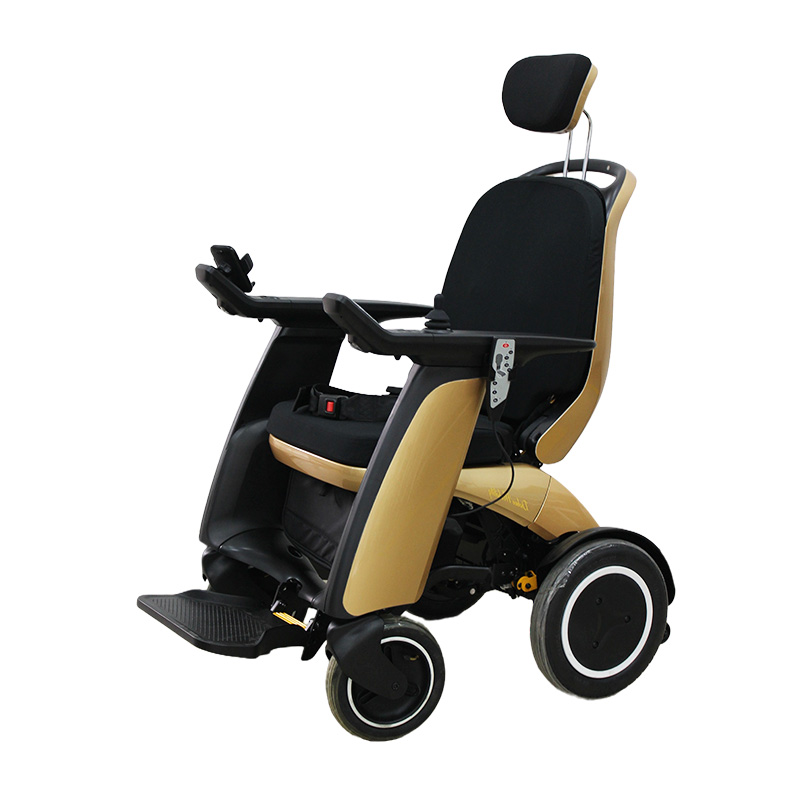
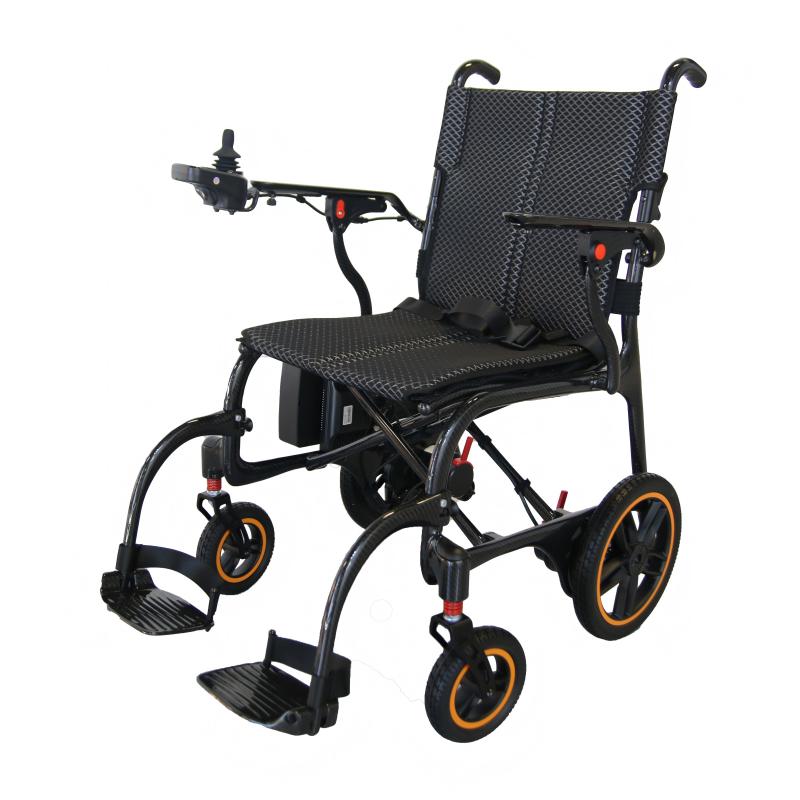
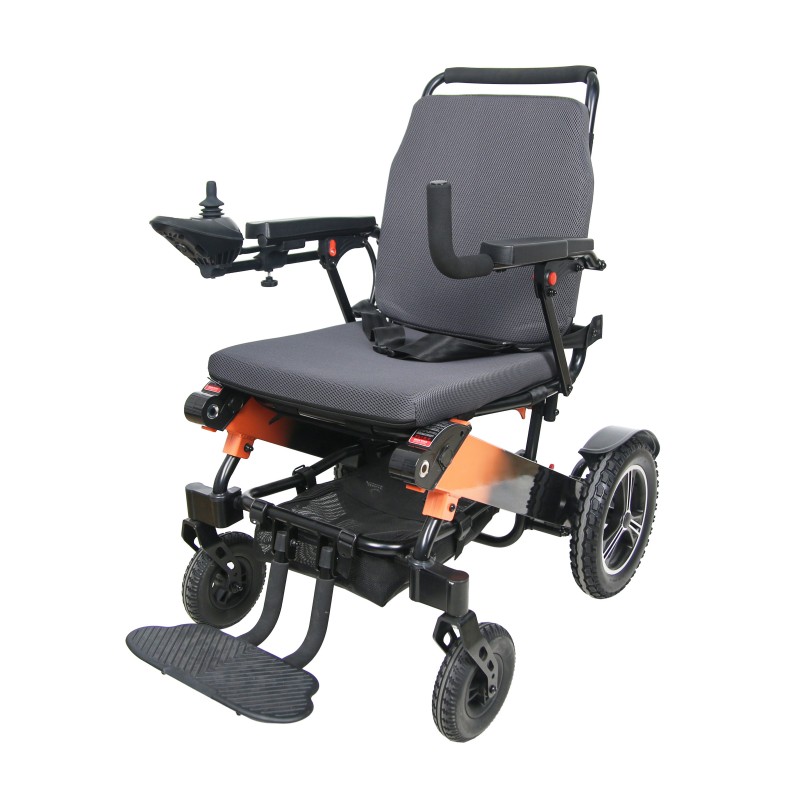
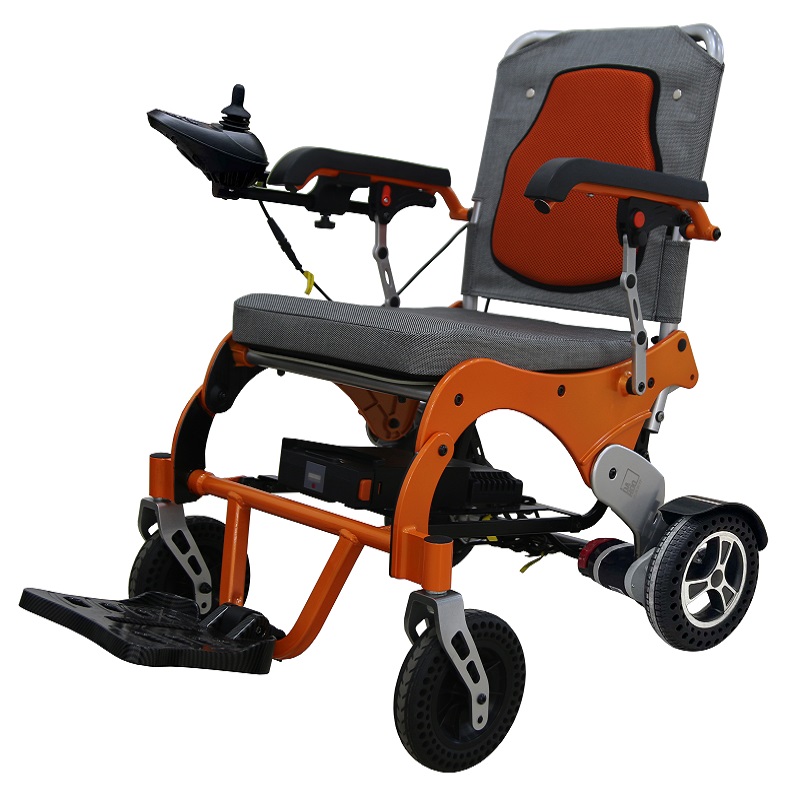
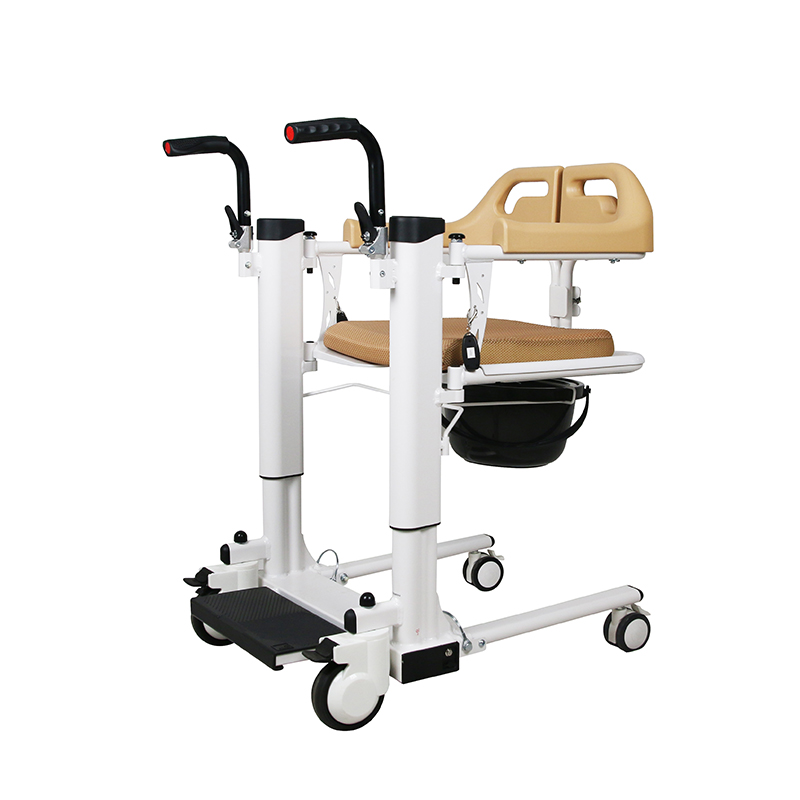
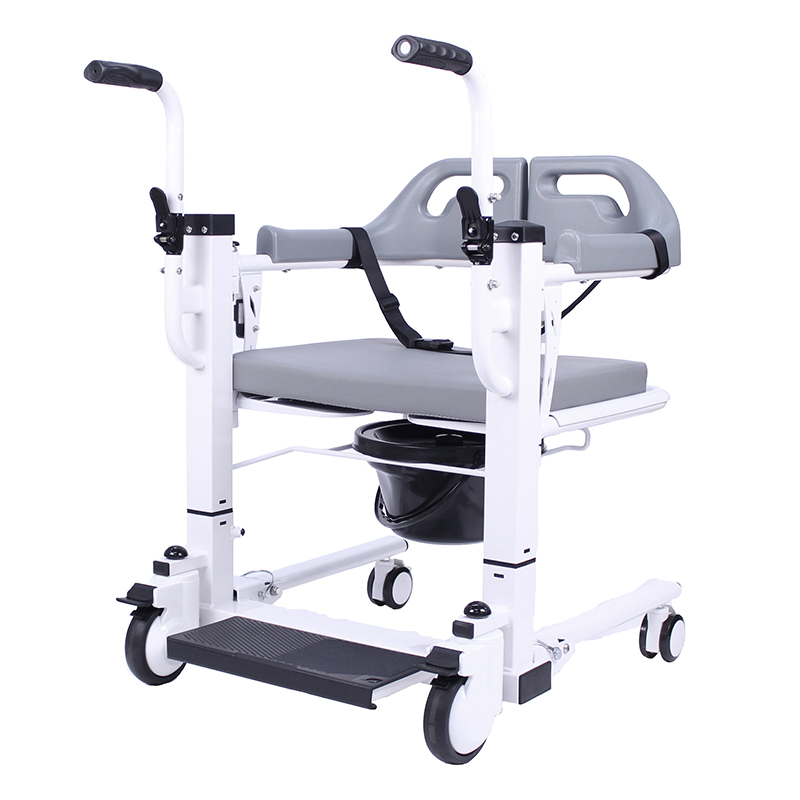
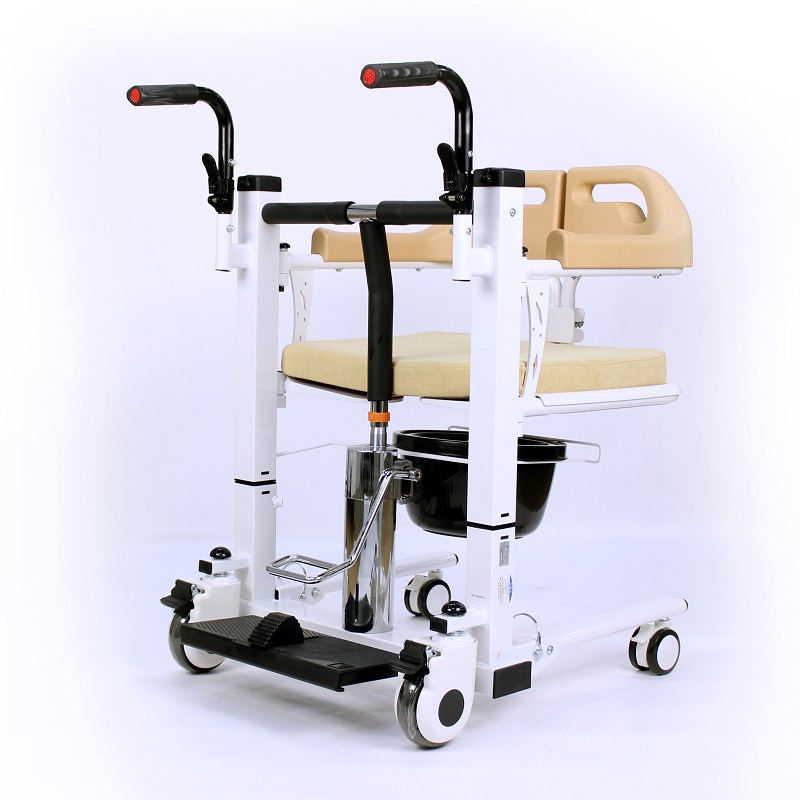
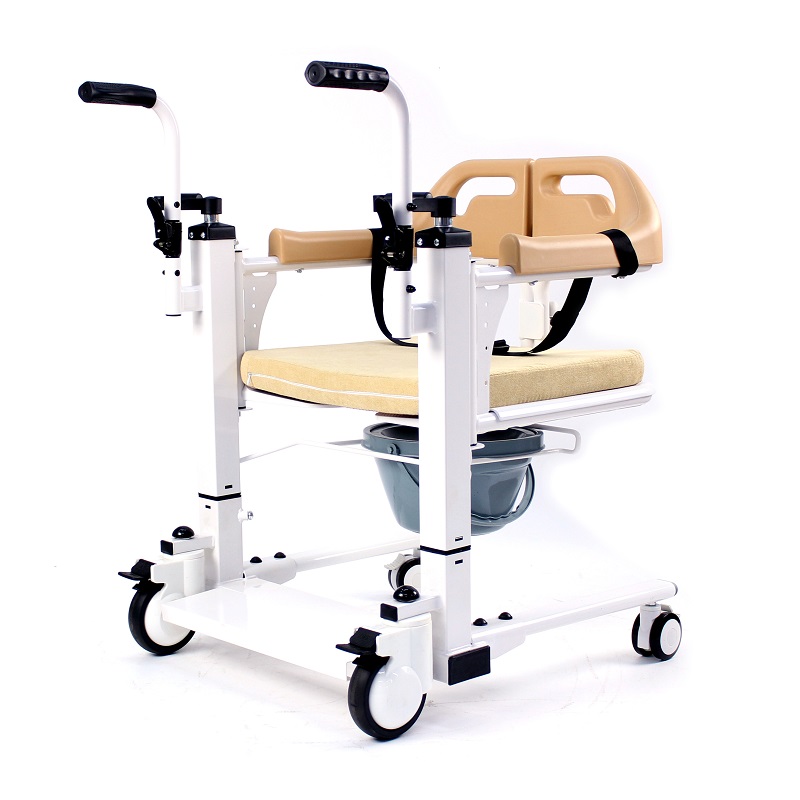
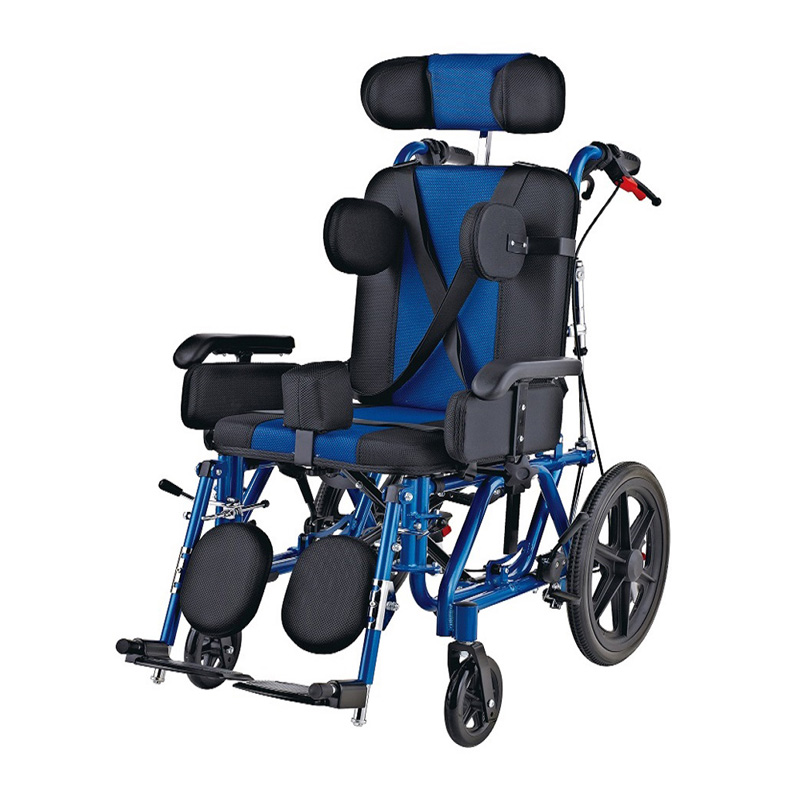
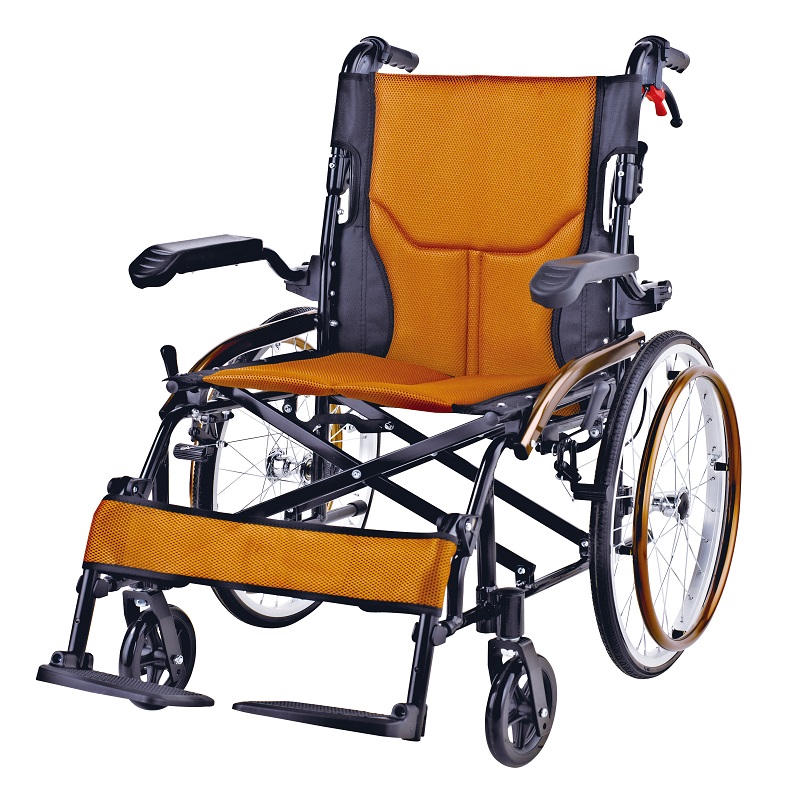
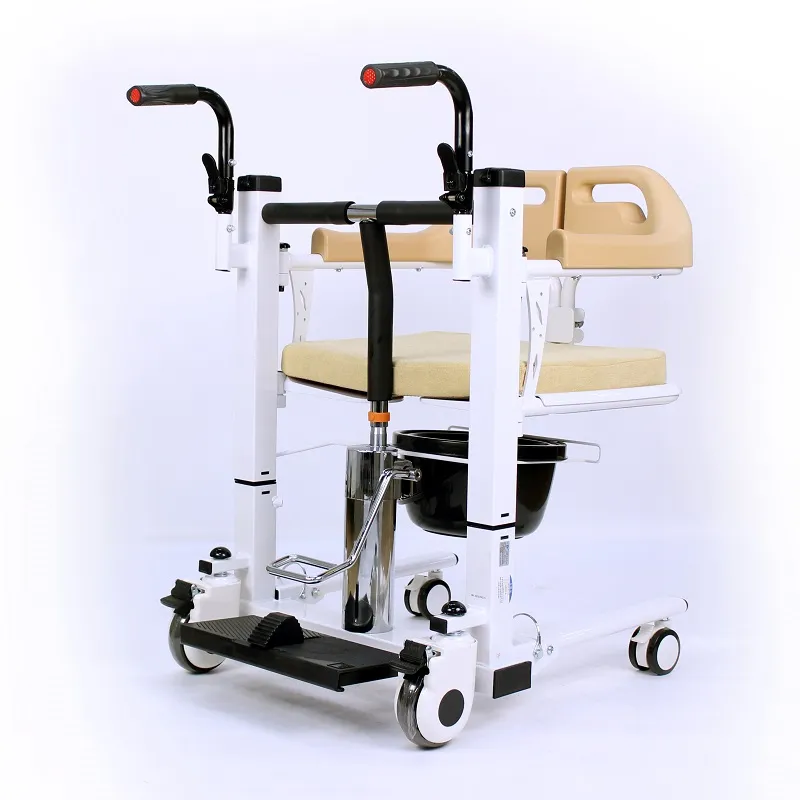
In the United States, over 10 million people rely on some form of assistive device for daily activities each year. Among these devices, the "Patient Lift Transfer Chair" is gaining increasing attention.
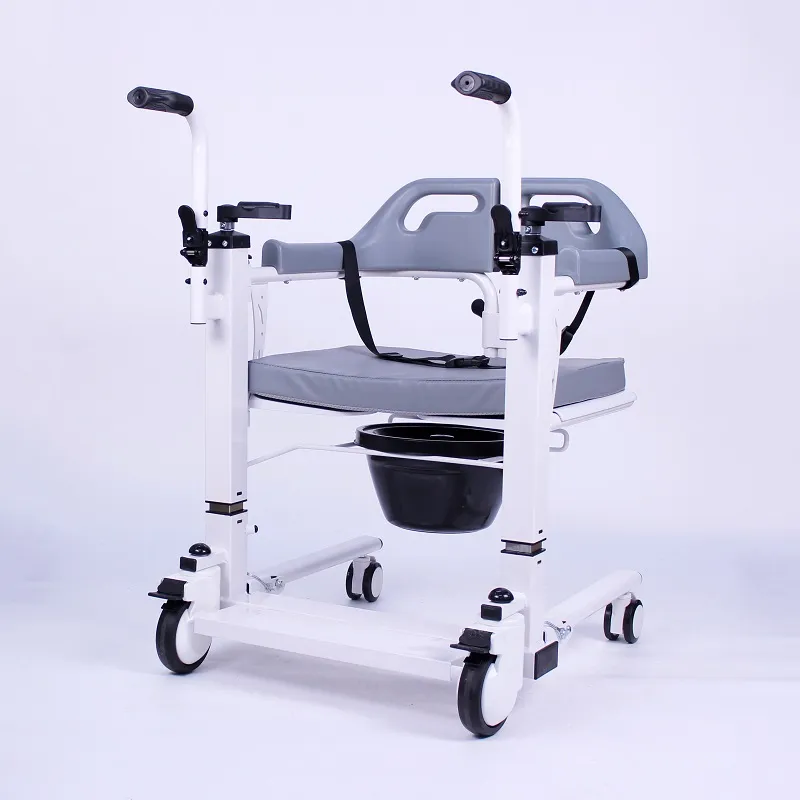
These devices provide mobility support for disabled patients at key points such as bed-to-chair, chair-to-toe, and chair-to-bathroom, through features like lifting, sliding, and easy pushing. They are widely used in nursing homes, rehabilitation centers, and home care.
However, these devices are not inexpensive. The cost, often thousands of dollars, frequently puts them out of reach for families in need. Therefore, the question, "Is a patient lift transfer chair covered by Medicare?" has become a major concern for many patients and caregivers.
This article will delve into this question from multiple perspectives, including Medicare policies, applicable conditions, specific classifications, application procedures, and alternative solutions. By clarifying the policy basis, it will provide the public with a comprehensive guide to Medicare coverage.
What is a "Patient Lift Transfer Chair"?
Before interpreting medical insurance policies, we must first accurately define and classify patient lift transfer chairs.
The core function of this type of equipment is to assist patients with limited mobility, bedridden, or hemiplegic patients in performing the following actions:
· From bed to wheelchair or chair;
· From chair to commode;
· From chair to bathing facilities;
· Reduce manual assistance through lifting and lateral transfer;
· Reduce the risk of injury to caregivers and improve care efficiency.
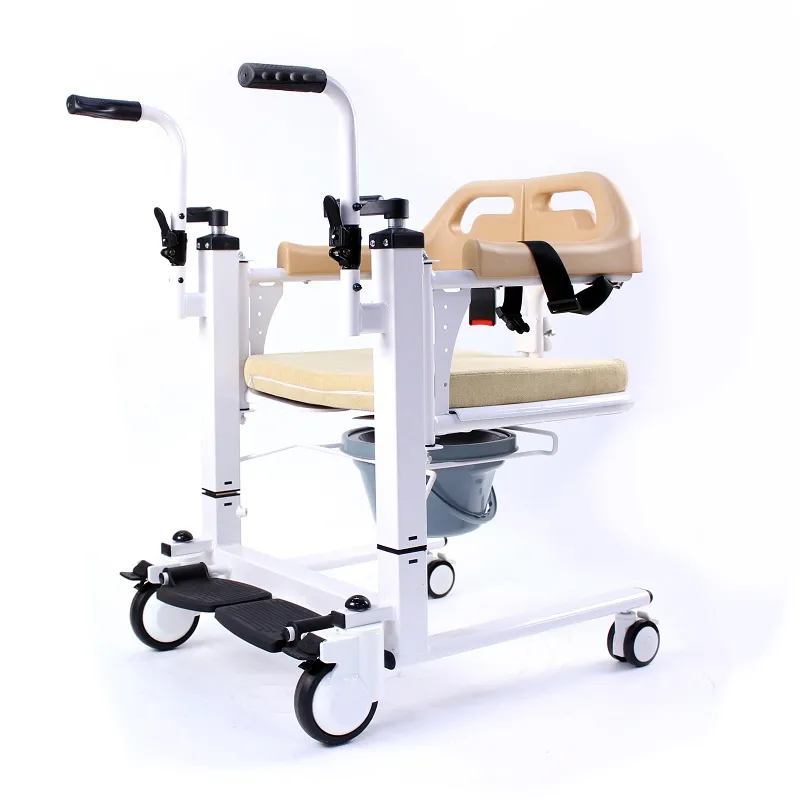
Patient lift transfer chairs typically integrate some functions of traditional wheelchairs, electric transfer machines, shower chairs, and commode chairs, but are specifically designed with height adjustment, structural stability, and safety in mind.
Common types include:
Types | Features |
| Manual lift transfer chair | Lifting is achieved hydraulically or mechanically, requiring manual control |
| Electric lift transfer chair (with remote control) | Electric motor lifting offers enhanced safety and ease of use for caregivers |
| Transfer chair with commode system | Built-in toileting device suitable for patients unable to use the toilet independently |
| Integrated sitting/reclining transfer chair (medical grade) | Features include bed docking, sliding seat, and removable armrests. Prices typically range from $2,000 to $6,000 |
Medicare Coverage for Medical Devices in the United States
In the United States, the federal Medicare system is the backbone of healthcare coverage for people aged 65 and older, as well as some people with long-term disabilities. It is divided into four parts:
· Part A (Inpatient Insurance)
· Part B (Outpatient and Medical Device Insurance)
· Part C (Advantage Plan, operated by private institutions)
· Part D (Prescription Drug Insurance)
The part concerning whether a patient lift transfer chair is covered is Medicare Part B, because such devices fall under the category of "Durable Medical Equipment" (DME).
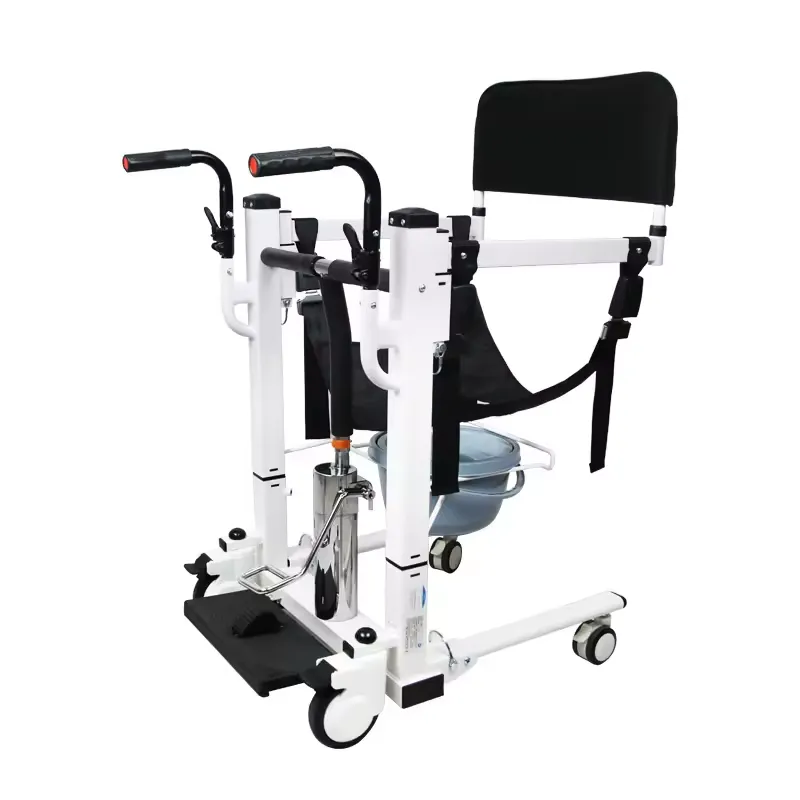
Is a patient lift transfer chair considered a "Durable Medical Equipment"?
According to the Medicare Management Service (CMS), to be classified as a DME, a product must meet the following conditions:
· Reusable with an expected lifespan of more than three years;
· Primarily intended for medical use;
· Suitable for home use (not just hospital use);
· Prescribed by a physician and meets the specific needs of a medical condition.
Some patient lift transfer chairs, especially those with well-designed structures suitable for home care (such as power-adjustable chairs), typically meet the above criteria.
However, the key question is:
"Is it explicitly listed as a reimbursable device under the DME category by CMS?"
The answer is: Patient lift transfer chairs themselves are not currently explicitly listed in the Medicare DME coverage list, but some of their functional modules and alternative devices can be reimbursed through other means.
Medicare's Specific Reimbursement Policy for Related Devices
✅ Similar devices covered by Medicare:
Equipment Names | Is it reimbursable? | Reimbursement Criteria |
| Patient Lift | Yes | A doctor's certificate confirming the patient's inability to move independently; electric or manual versions are available |
| Medical Wheelchair | Yes | Prescriptions for light, heavy, or tilt-function manual or electric wheelchairs are available depending on the patient's condition |
| Commode Chair | Yes | Limited to patients who are disabled, bedridden, or have elimination disorders; non-mobile and partially adjustable models are eligible |
❌ Device categories not covered:
Equipment Names | Is it reimbursable? | Explanation of Reasons |
| Patient Lift Transfer Chair | No | Currently not listed in the Medicare Designated Medical Device (DME) list, its classification is ambiguous and it is easily mistaken for a "comfort device." |
| Shower Chair, Portable Shower Cart | No | In most cases, it is considered a convenience product and is not eligible for reimbursement. |
| Multi-functional Nursing Bed (High-end) | Partial reimbursement | Reimbursement is limited to certain components of the standard medical bed; high-end control panels or electric configurations are often considered non-essential options. |
Why haven't patient lift transfer chairs been included in Medicare?
Healthcare policies often lag behind technological innovation. According to the Medicare Management System (CMS), the patient lift transfer chair, as a "combination device," has not yet been defined as a separate, clearly categorized item in the DME classification for several reasons:
•It combines the functions of a wheelchair, commode, shower chair, and transfer machine, resulting in blurred boundaries;
•Different manufacturers have inconsistent standards, leading to significant functional differences and a lack of a unified industry definition;
• CMS's policy on "multifunctional assistive devices" is still under evaluation;
• In most hospitals or nursing homes, this device is purchased institutionally, with lower usage frequency in home settings.
Therefore, unless the product is registered as a covered device (such as a Patient Lift), most patient lift transfer chairs cannot be directly reimbursed through Medicare.
How to circumvent these restrictions and apply for related reimbursement?
Although the term "patient lift transfer chair" isn't explicitly listed, the following two methods offer alternatives:
Option 1: Doctor's Prescription for "Patient Lift"
If the core function of the patient lift transfer chair is electric lifting/assisted transfer, ask your doctor for a prescription for "Patient Lift." This allows you to purchase an electric hoist with a built-in chair, some of which have a similar structure.
Option 2: Medicare Advantage Plans Offer Greater Flexibility
Many Medicare Advantage plans, operated by private insurance companies, offer broader DME coverage, especially in rehabilitation and elderly care. Some plans cover integrated devices with commode, assisted bathing, and transfer assistance.
Users should consult their specific insurance company or plan's service description to confirm whether they can apply for reimbursement under "mobility aid" or the "transfer system."
What about non-Medicare users?
Potential Medicaid and Commercial Insurance Relationships
Medicaid (Low-Income Medical Assistance)
Medicaid policies vary by state. Some states (such as California and New York) may provide partial funding for patient lift transfer chairs under their Long-Term Care Waiver programs.
It is recommended to check with your local Medicaid office to confirm equipment certification standards and supplier requirements.
Commercial Health Insurance (PPO/HMO)
Some high-end commercial health insurance plans may reimburse part of the cost of a patient lift transfer chair if deemed "essential rehabilitation equipment" by a physician, through prior authorization.
Consumer Advice: Rational Selection and Procurement Recommendations
• Do not blindly purchase expensive items before you are certain whether they are reimbursable;
• When choosing equipment, prioritize whether it has an FDA registration number and HCPCS code (reimbursement code);
• Keep all doctor's prescriptions and functional recommendations for later use in your health insurance application;
• Consult your local DME supplier about rental plans;
• If purchasing a privately owned product, request a "Medical Function Instruction Manual" as supporting documentation for health insurance claims.
How does Dayang Medical assist buyers with market differences?
Different countries have different preferences, standards, and regulations for mobility equipment. Dayang Medical helps buyers navigate these differences by offering market-specific models, regional customization, and compliance documents. Buyers who purchase from our China factory receive guidance on product selection, certification requirements, and competitive prices suitable for their markets.
With OEM customization, wholesale discounts, and detailed quotes, distributors can easily tailor their inventory to local needs. Our flexible manufacturing helps clients stay competitive in their regions.
