
During illness recovery, frailty in old age, and disability adaptation, the question of "whether a wheelchair is needed" is a crucial one that many families and patients must confront. However, in reality, most people lack clear criteria for when to use a wheelchair, often only making a passive choice after a patient has fallen or become severely disabled.
In fact, using a wheelchair does not equate to "complete loss of mobility," but rather using the right tool at the right time to enhance personal independence, reduce the risk of accidents, and alleviate the burden of care.
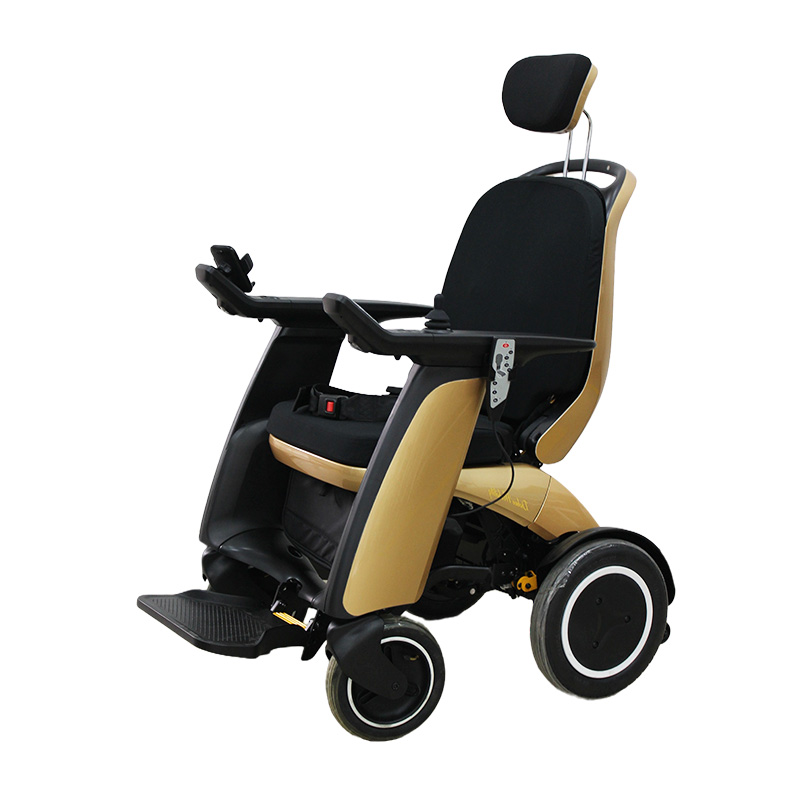
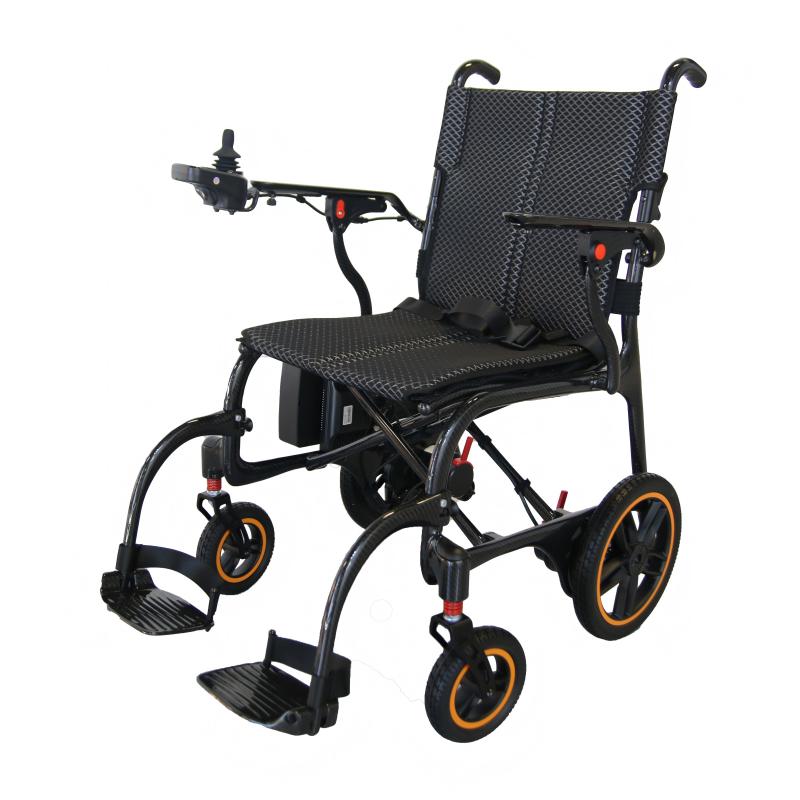
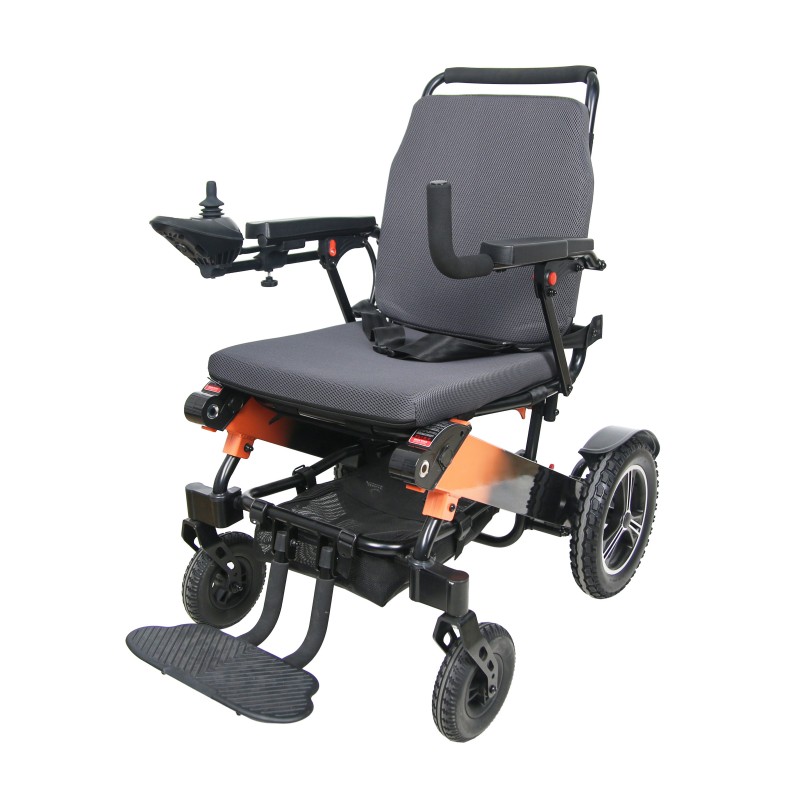
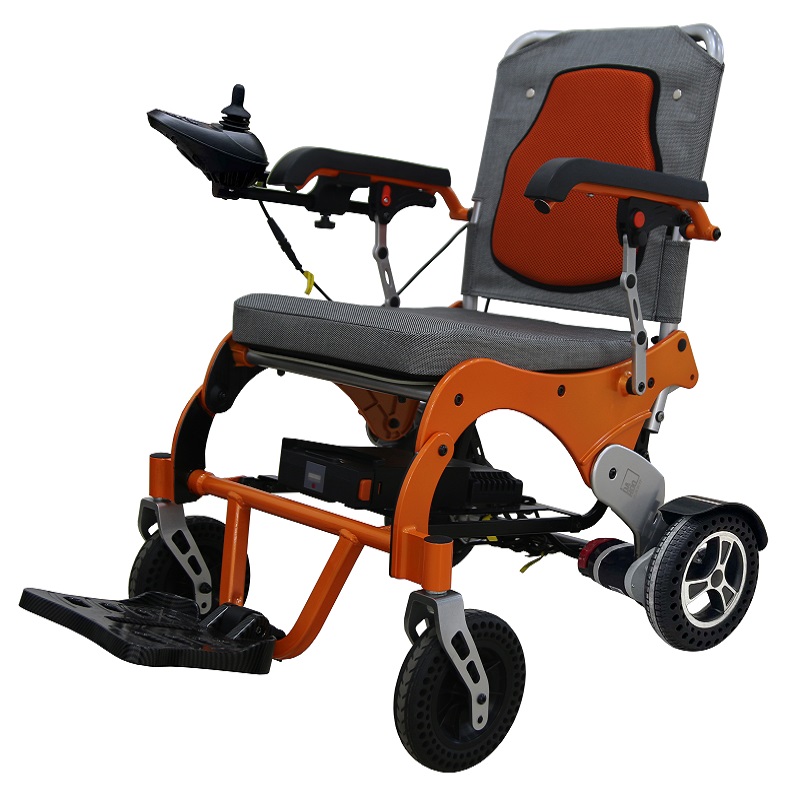
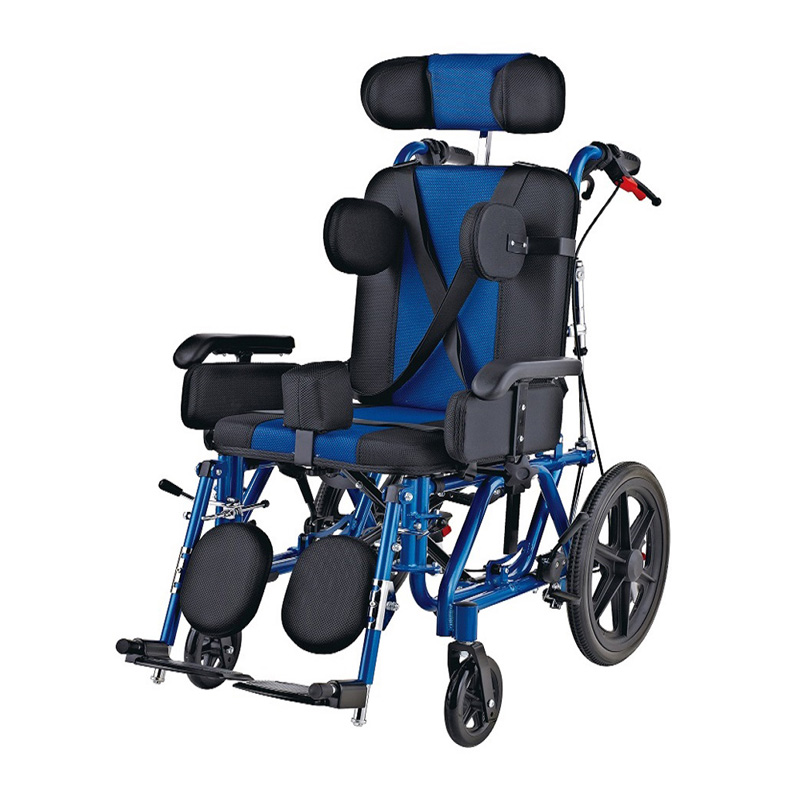
Therefore, this article will systematically address the question, "When should wheelchairs be started?" from the perspectives of physical performance, functional needs, and wheelchair type matching, and will focus on the applicable scenarios for electric wheelchairs, manual wheelchairs, and height-adjustable transfer chairs in different population groups.
Wheelchairs are Not a "Last Resort," But a "Middle-of-the-Road Tool."
In traditional thinking, wheelchairs are often mistakenly considered the only option for those "completely immobile," but in fact, modern wheelchairs already possess multiple assistive functions, serving different degrees of mobility impairment.
Wheelchair use is not only for "mobility," but also for:
• Delaying muscle atrophy and reducing the risk of falls;
• Improving quality of life (such as toileting, bathing, and eating);
• Reducing the physical exertion of caregivers;
• Helping patients gain more opportunities for social participation.
Therefore, the key question is not "whether to use," but "when to use and which type of wheelchair to choose."
What signs indicate the need for wheelchair use?
—Six physical signs indicating the need for wheelchair use
The following six signs are generally recognized by medical and rehabilitation experts as "starting signals" for wheelchair use. If these signs are present, a professional evaluation should be sought immediately:
1. Difficulty walking and physical strength to support daily activities
• Shortness of breath, fatigue, and leg weakness after walking continuously for more than 5 minutes;
• Requiring furniture support for short indoor activities (such as walking to the bathroom or kitchen);
• Disease factors such as stroke, heart failure, Parkinson's disease, etc., leading to decreased muscle strength.
Wheelchair recommendations: Lightweight manual or electric wheelchairs, selected based on upper limb strength and self-care ability.
2. Decreased balance, frequent falls or unsteady gait
• Swaying while walking, unable to walk in a straight line;
• Prone to losing balance and falling when standing up or turning;
• Diagnosed by a doctor as "high-risk for falls".
Wheelchair recommendation: Electric wheelchair with anti-tipping device or manual wheelchair with strong safety support.
3. Lower limb pain or deformity affecting gait
• Long-term pain from osteoarthritis, rheumatoid arthritis, post-fracture surgery, etc.;
• Knee deformities or foot lesions making it impossible to maintain a normal gait;
• Reduce weight-bearing walking during rehabilitation.
Wheelchair recommendation: Manual wheelchair with adjustable backrest; a height-adjustable transfer chair can be used for the transitional phase in the short term.
4. Neurological diseases causing partial paralysis or involuntary movements
• Stroke hemiplegia, amyotrophic lateral sclerosis (ALS), multiple sclerosis, etc.;
• Limb coordination disorders, tremors, muscle weakness, etc.;
• Need for stable support to prevent falls.
Wheelchair Recommendations: Electric wheelchairs with precise electronic control and high stability; severely disabled patients require a height-adjustable transfer chair for assisted care.
5. Severe Decline in Physical Strength Due to Respiratory or Cardiovascular Diseases
• Patients with chronic diseases such as heart failure, COPD, and pulmonary fibrosis;
• Palpitation and shortness of breath upon sitting or walking short distances;
• Medical orders restricting physical activity.
Wheelchair Recommendations: Lightweight electric wheelchairs to conserve energy and support basic mobility.
6. Postoperative Recovery Requires Restriction of Lower Limb Movement or Assisted Transfer
• Hip replacement, spinal surgery, lower limb fracture repair, etc.;
• Medical orders explicitly prohibiting weight-bearing;
• Temporary need for assistance with bed-to-chair transfers.
Wheelchair Recommendations: Easily movable height-adjustable transfer chairs with toilet access, suitable for short-term care.
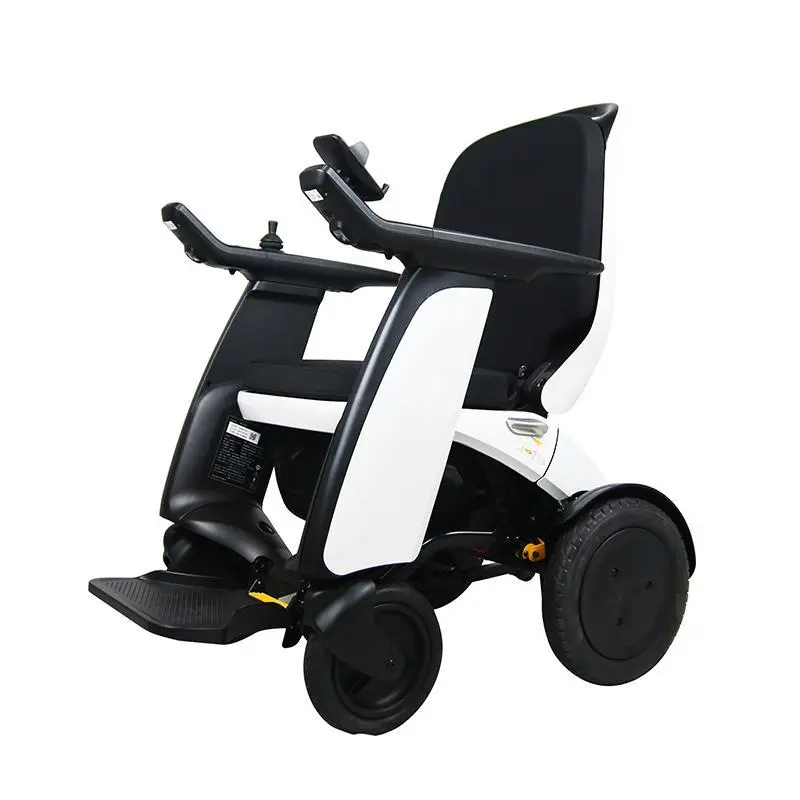
Compatibility Analysis of Three Main Wheelchair Types
In addition to assessing when to use a wheelchair, choosing the right type is equally crucial. There are three common types of wheelchairs—manual wheelchairs, electric wheelchairs, and adjustable transfer chairs—each suited to different user groups, scenarios, and purposes:
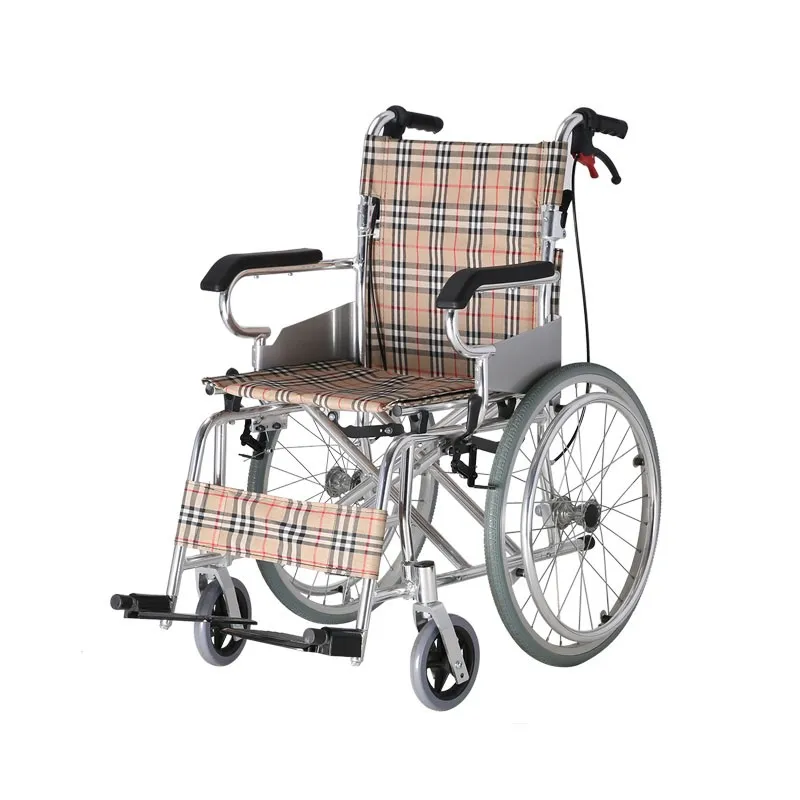
1. Manual Wheelchairs
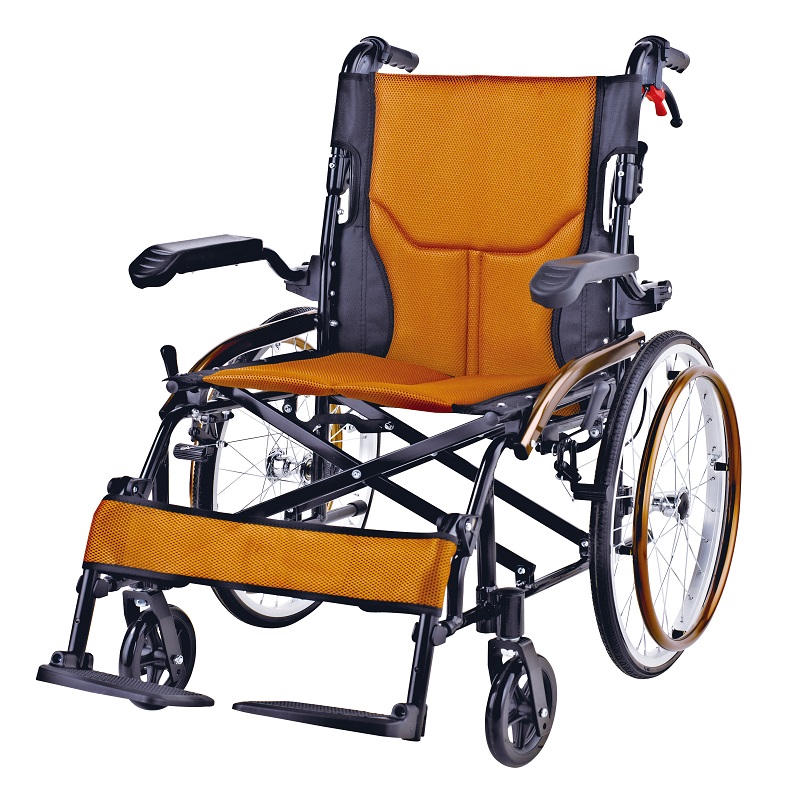
Suitable for individuals with sufficient upper limb strength and self-care ability.
• Lightweight structure, self-propelled;
• Easy to fold and store, suitable for home or short trips;
• Lower cost and simple maintenance.
Suitable for:
• Individuals with normal upper limb strength and clear consciousness;
• Elderly individuals or those with mild paralysis;
• Users in the temporary rehabilitation phase.
Precautions:
• Prevent shoulder strain with prolonged use;
• If upper limb strength declines, switch to an electric wheelchair promptly.
2. Electric Wheelchairs
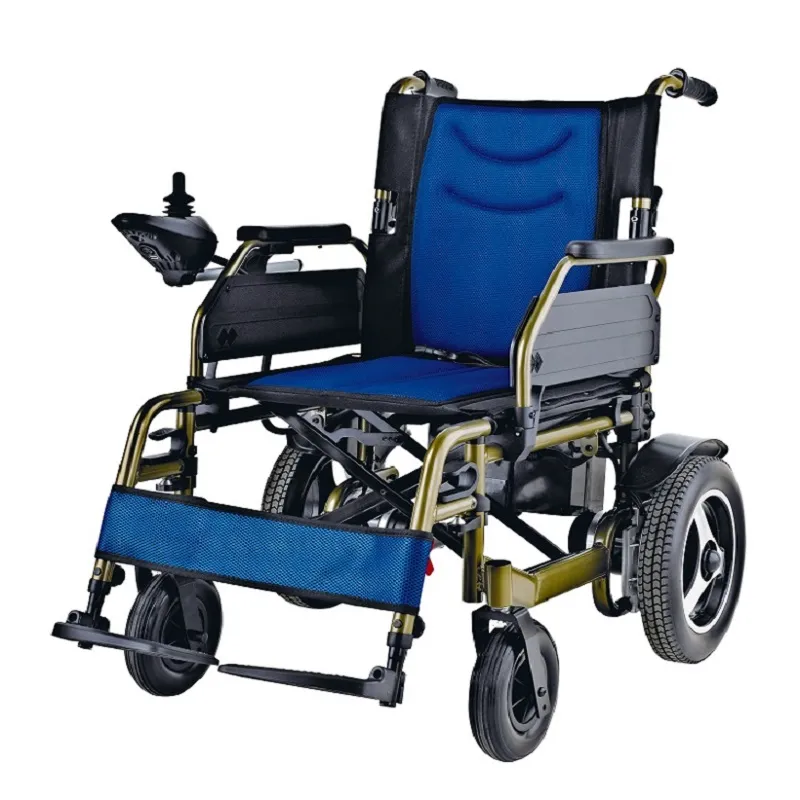
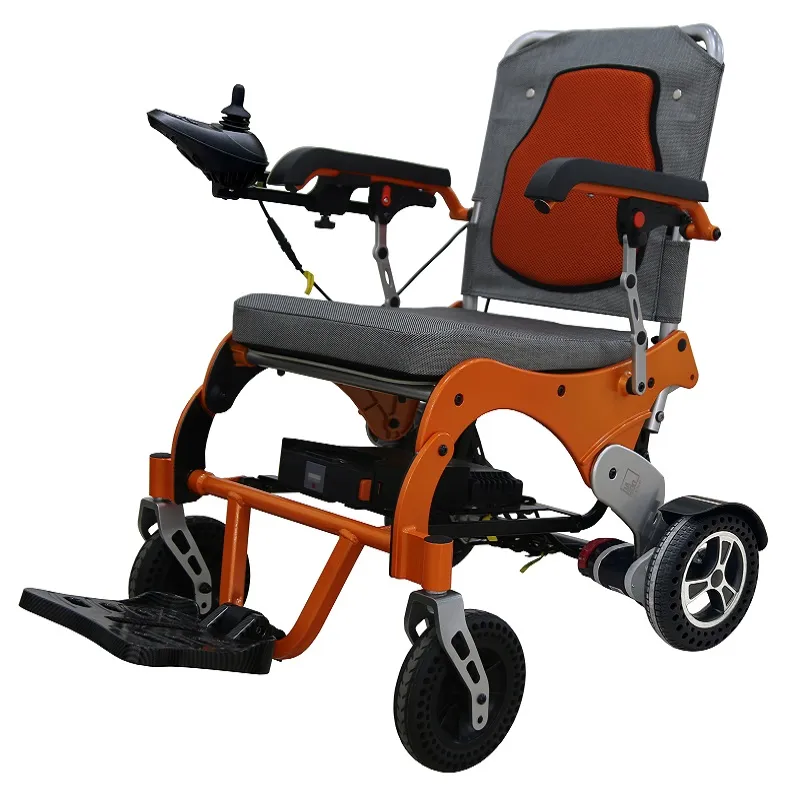
Suitable for individuals with decreased upper limb or overall muscle strength.
• Operable via hand levers, electronic buttons, etc.;
• Supports long-distance movement without assistance;
• Multi-functional adjustments (seat tilt, height, backrest adjustment, etc.).
Suitable for:
• Individuals with stroke-induced hemiplegia, myasthenia gravis, or other conditions lacking self-propulsion;
• Individuals with moderate to severe disabilities requiring long-term independent mobility;
• Individuals with high social and outing needs.
Precautions:
• Ensure normal cognitive function;
• Batteries require regular inspection and charging;
• High cost and weight limit usage environments.
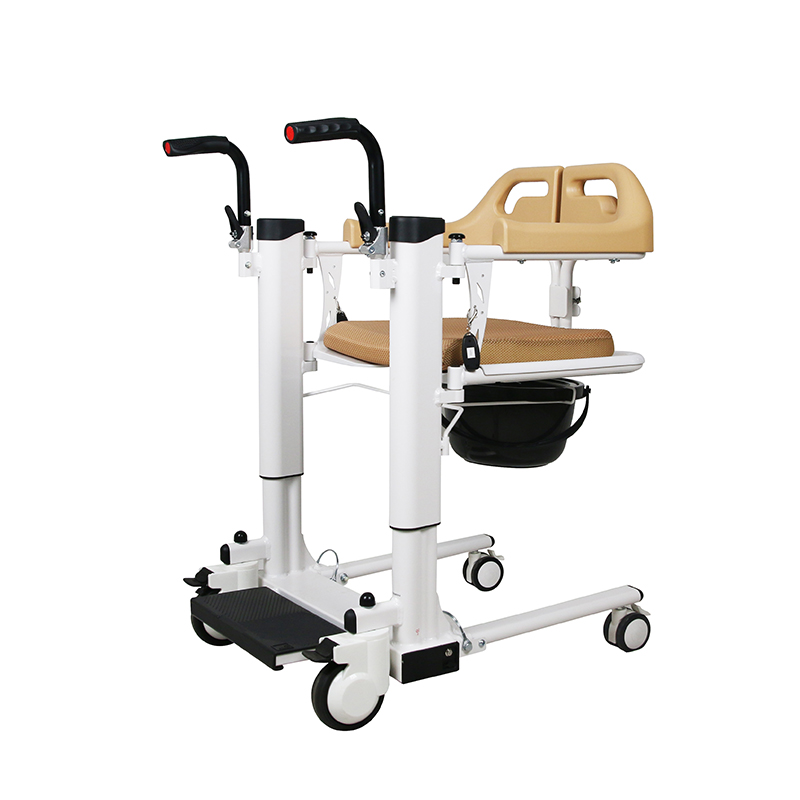
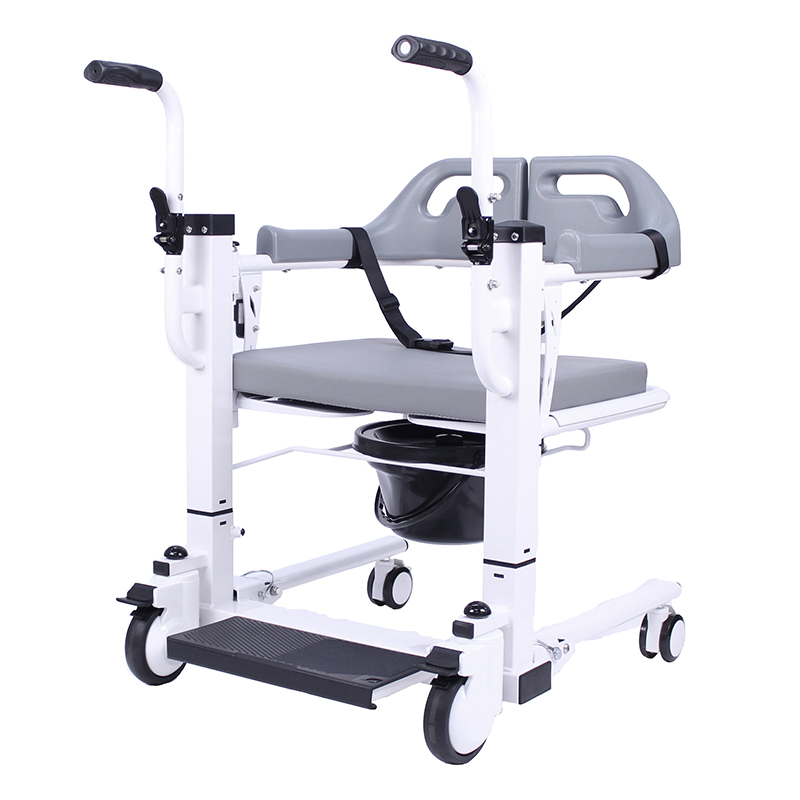
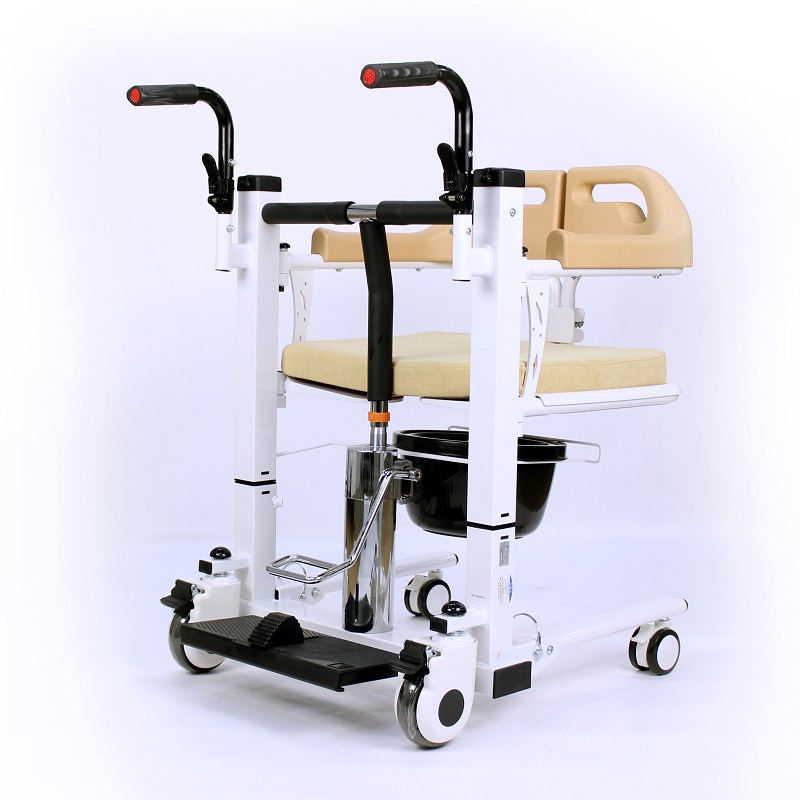
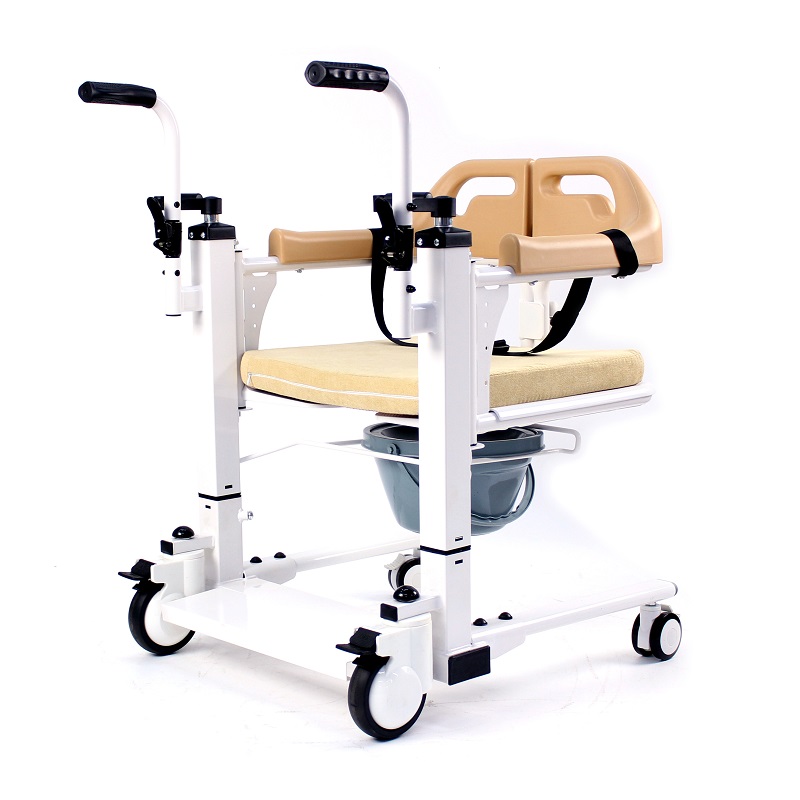
3. Lifting Transfer Chair
Suitable for individuals with complete disability or those requiring transfer assistance.
• Features lifting, side-shifting, and toileting functions;
• Designed for easy operation by caregivers;
• Provides safe short-distance transfer support (bed to toilet, bed to wheelchair, etc.).
Suitable for:
• Individuals who are completely bedridden, paralyzed, or highly dependent on caregivers;
• Temporary use during rehabilitation;
• Hospitals, nursing homes, home care, etc.
Precautions:
• Not a long-distance travel tool;
• Primarily used for "transfer," not "mobility."
A Professional Assessment is Essential Before Choosing a Wheelchair
"The right time + the right equipment" requires a systematic professional assessment. If the above signs appear, it is recommended to contact the following professionals as soon as possible:
• Rehabilitation physician: Assess physical function and muscle strength level;
• Occupational therapist (OT): Assess daily living abilities;
• Physical therapist (PT): Assess gait and balance risks;
• Medical device consultant: Recommend specific product models and configurations.
Assessment focus includes:
• Limb function and muscle strength status;
• Upper limb propulsion/control ability;
• Space limitations (door width, elevator, bathroom);
• Whether family care is sufficient to support use.
Beware of Misconceptions; Timely Wheelchair Use can "Delay" Disability
In reality, many people delay using wheelchairs due to the stereotype that "wheelchairs equal disability," causing secondary injuries such as falls, fractures, and depression. Medical research shows that:
1. Early wheelchair use can delay the deterioration of the condition;
2. It avoids energy exhaustion and falls caused by over-reliance on walking;
3. It protects patient dignity and mental health, and increases the likelihood of participation in social activities.
A wheelchair, especially a suitable electric or manual wheelchair, does not diminish a patient's abilities but rather perpetuates their independence.
A Wheelchair is Not the End, but a Transition and Support
"When to use a wheelchair?" is not a question determined by age or illness, but by "functional status." By observing bodily signals, functional limitations, and the needs of daily life, we can scientifically determine whether a wheelchair should be used and what type to choose.
With the support of diverse tools such as electric wheelchairs, manual wheelchairs, and adjustable transfer chairs, people with mobility impairments are no longer "restricted" but achieve "regained freedom" through appropriate assistance. A wheelchair is not the final dependence, but a partner on the road to recovery and a bridge to a dignified life.
If you or your loved ones have exhibited the above "six signs," consider setting aside prejudices and carefully evaluating the situation. A suitable wheelchair may be the first step towards a safe, independent, and secure life.
How does Dayang Medical improve its wheelchairs each year?
Our engineering teams continually update the design, structure, and functionality of our wheelchairs. Each year, we invest in R&D to upgrade motors, frames, seating comfort, and battery safety. Customers who buy from our factory receive improved models with competitive low price options thanks to efficient manufacturing.
Dayang Medical also works closely with distributors who request customized features, offering flexible solutions for different markets.
