
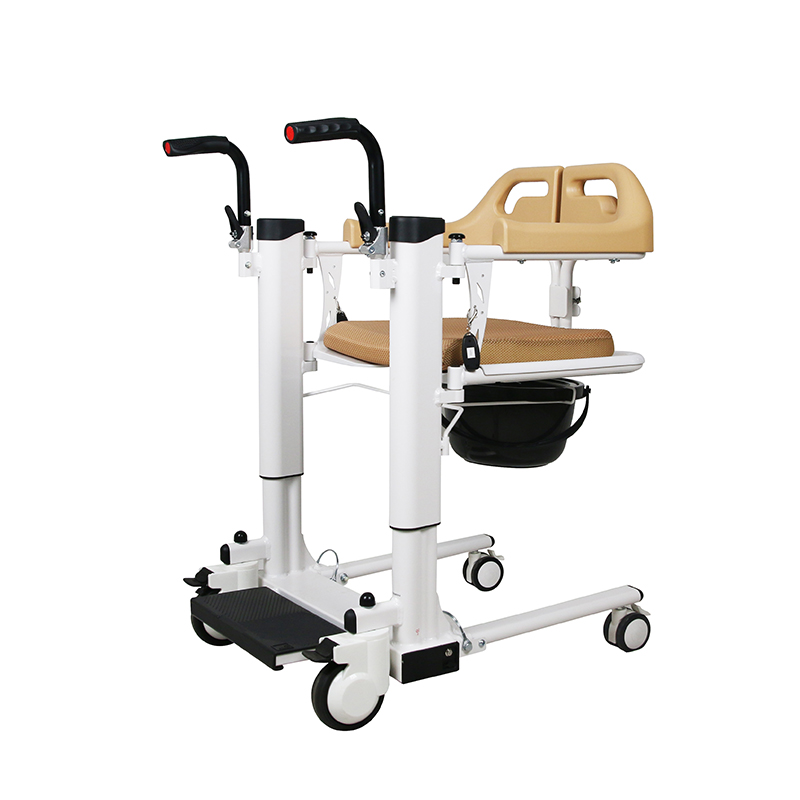
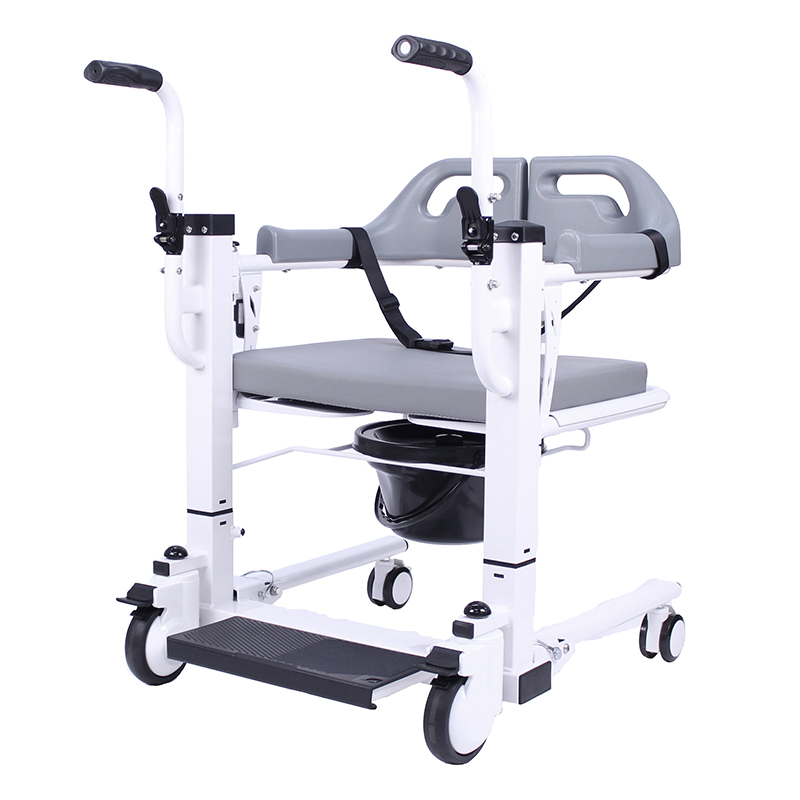
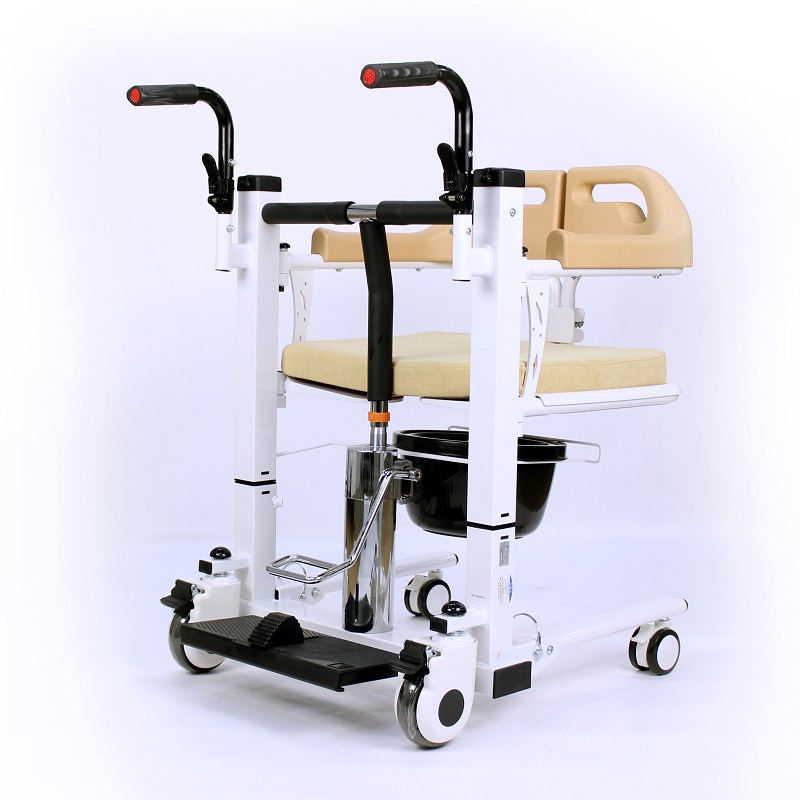
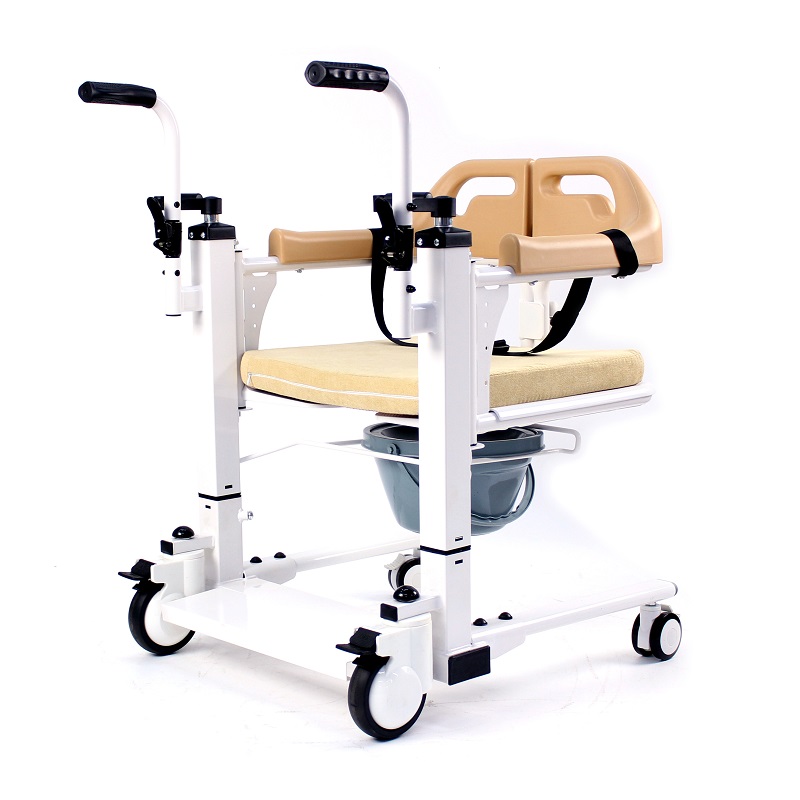
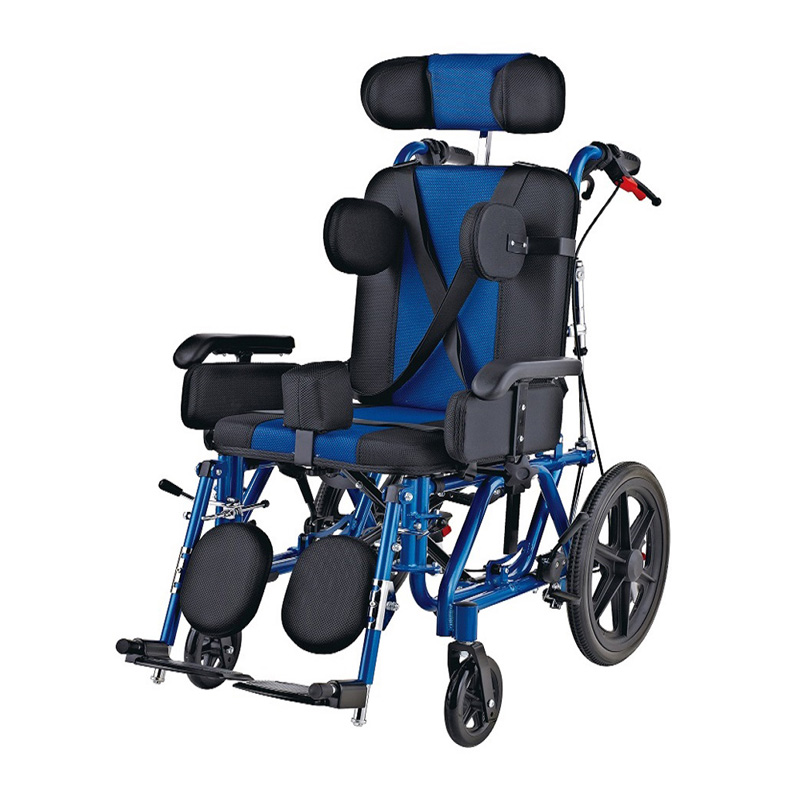
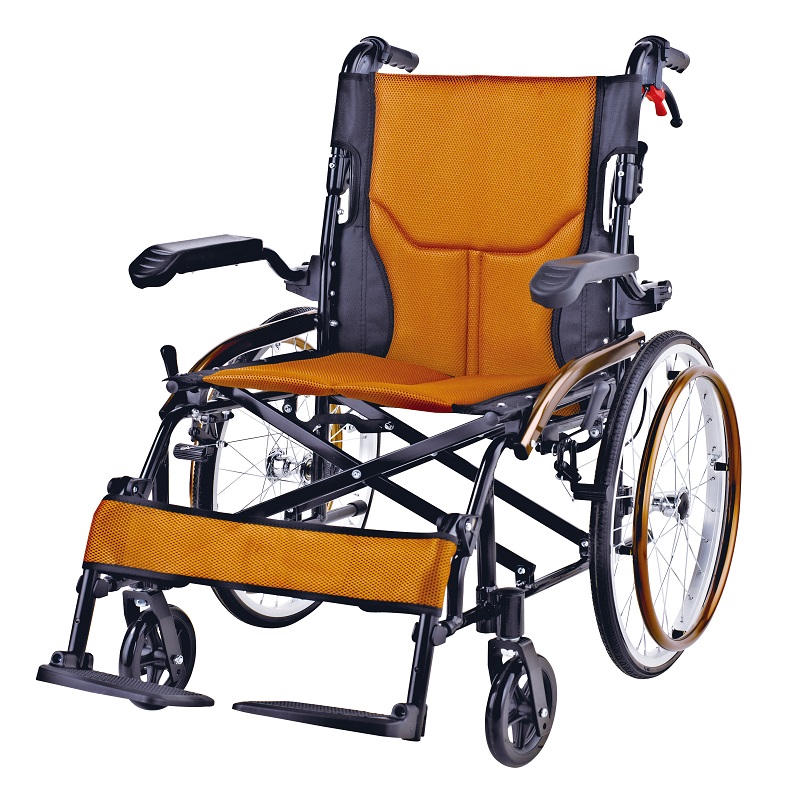
In the fields of nursing and rehabilitation, both wheelchairs and toilet (commode) wheelchairs are crucial assistive devices, helping people with mobility impairments regain a degree of independence and mobility.
However, many people easily confuse these two devices, mistakenly believing that a "toilet wheelchair" is simply a regular wheelchair with a toilet function. In fact, although they may look similar, they differ significantly in function, purpose, structural design, and usage scenarios.
This article will systematically explain the differences and connections between toilet commode wheelchairs and wheelchairs from a professional perspective, helping you correctly understand and choose the appropriate assistive device.
What is a Toilet Wheelchair?
1. Definition of a Toilet Wheelchair
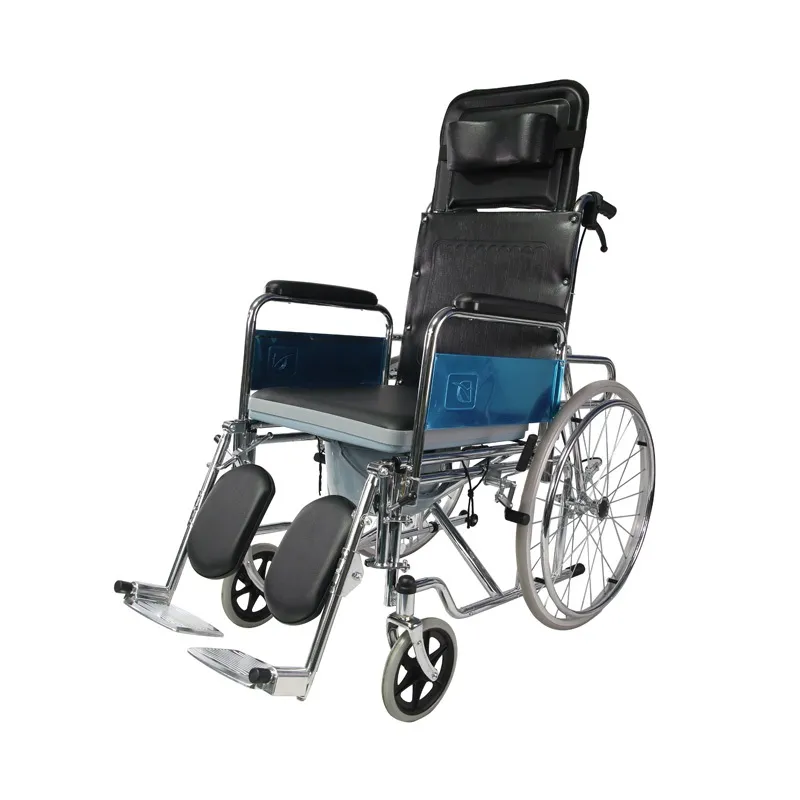
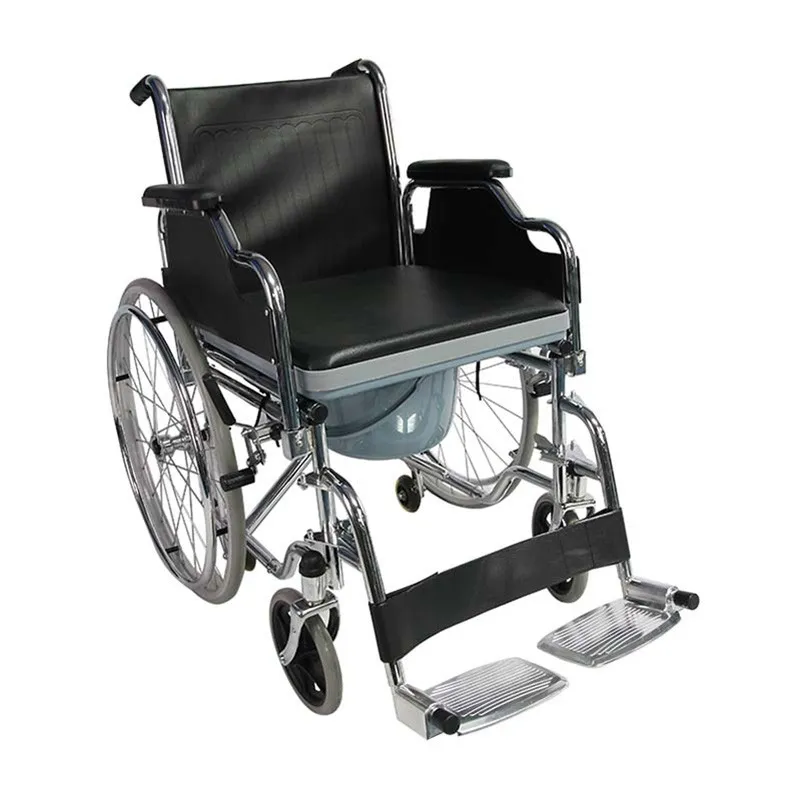
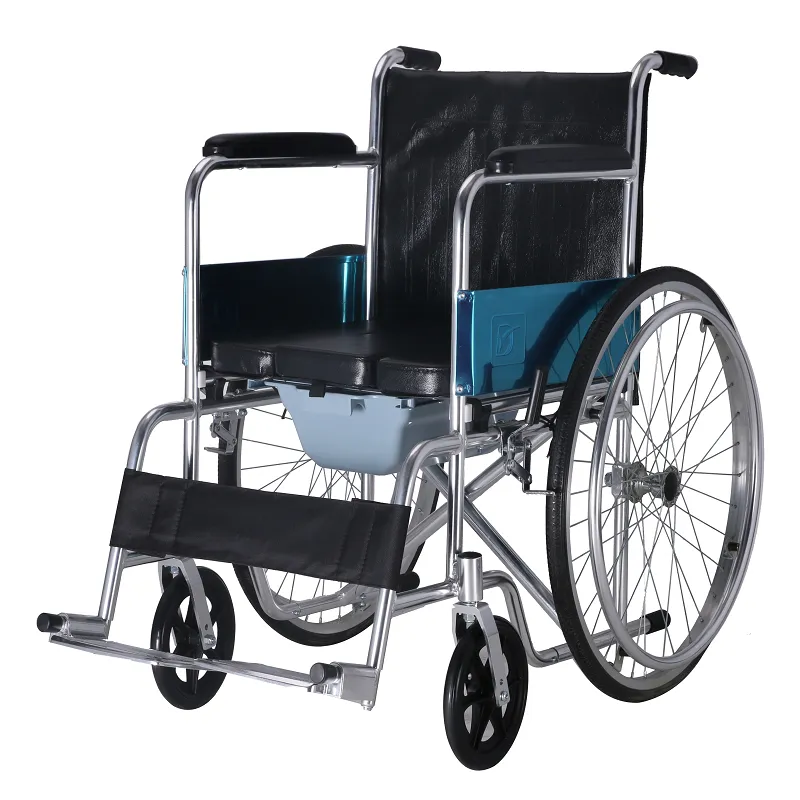
A toilet wheelchair is a multifunctional nursing device that combines the functions of a wheelchair and a portable toilet.
It can be used as a regular wheelchair for easy patient movement, and can also be used as a temporary toilet chair when needed to meet toileting needs.
Simply put, a toilet commode wheelchair allows you to both "move around while seated" and "use the toilet while seated."
It is commonly used for patients who can sit up but have limited mobility and cannot easily access the toilet, such as the elderly, post-operative recoveries, or long-term care recipients.
2. Core Components of a Toilet Wheelchair
A standard toilet wheelchair typically includes the following:
• A sturdy metal frame: provides load-bearing capacity and stability;
• A removable bedpan or bucket: for waste collection;
• A perforated seat and lid: mimics the structure of a toilet;
• Footrests and armrests: facilitate sitting and getting up;
• Wheels with brakes: allow for both pushing and secure locking;
• Some models are waterproof: can also be used as a shower chair.
These designs make the toilet commode wheelchair not only mobile but also a versatile device that helps patients use the toilet and bathe in the same location.
What is a Regular Wheelchair? Main Uses
1. Basic Functions of a Wheelchair
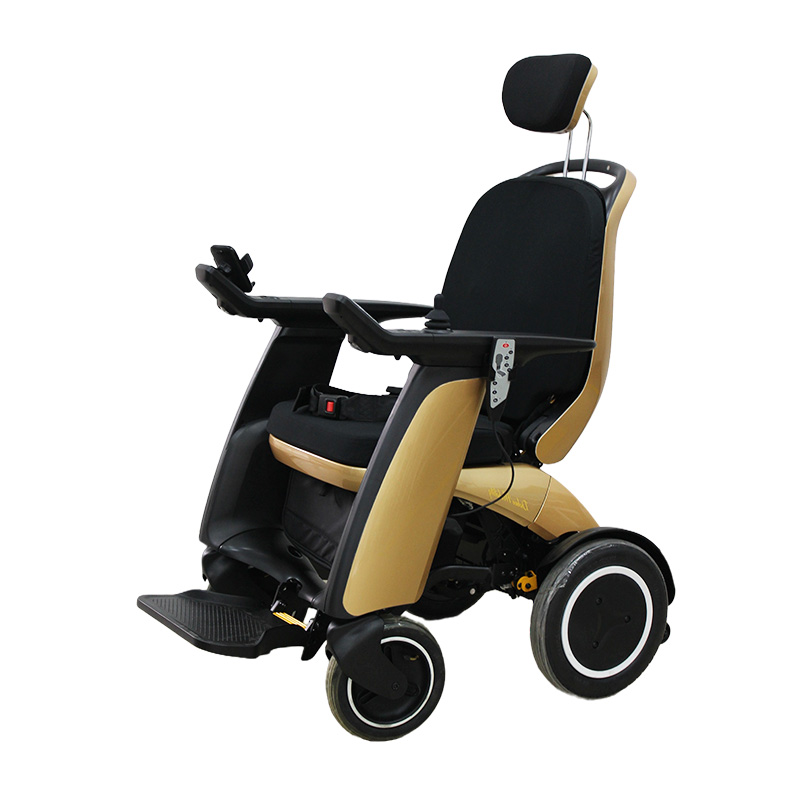
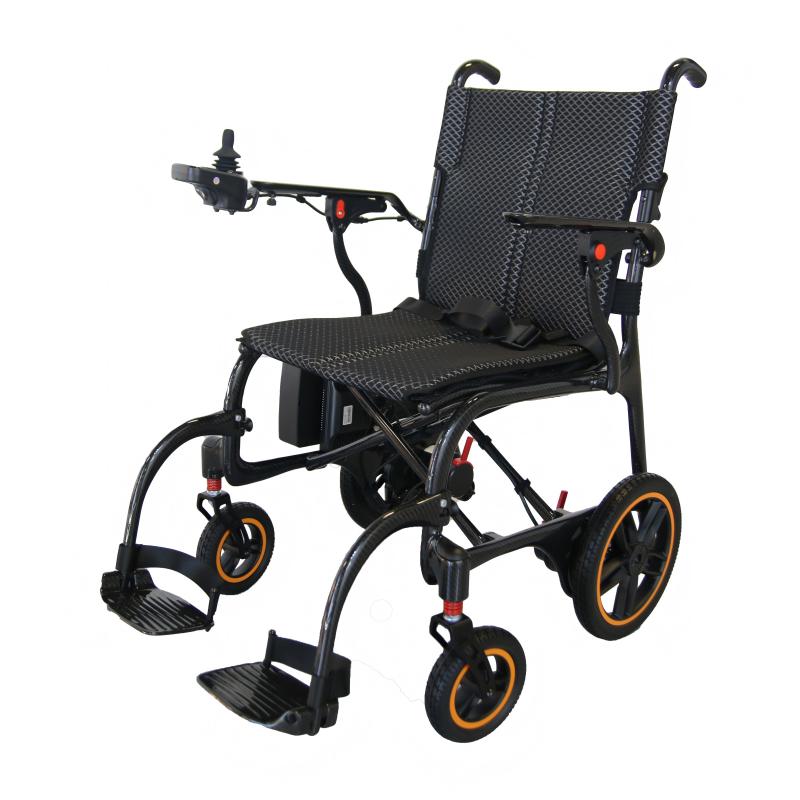
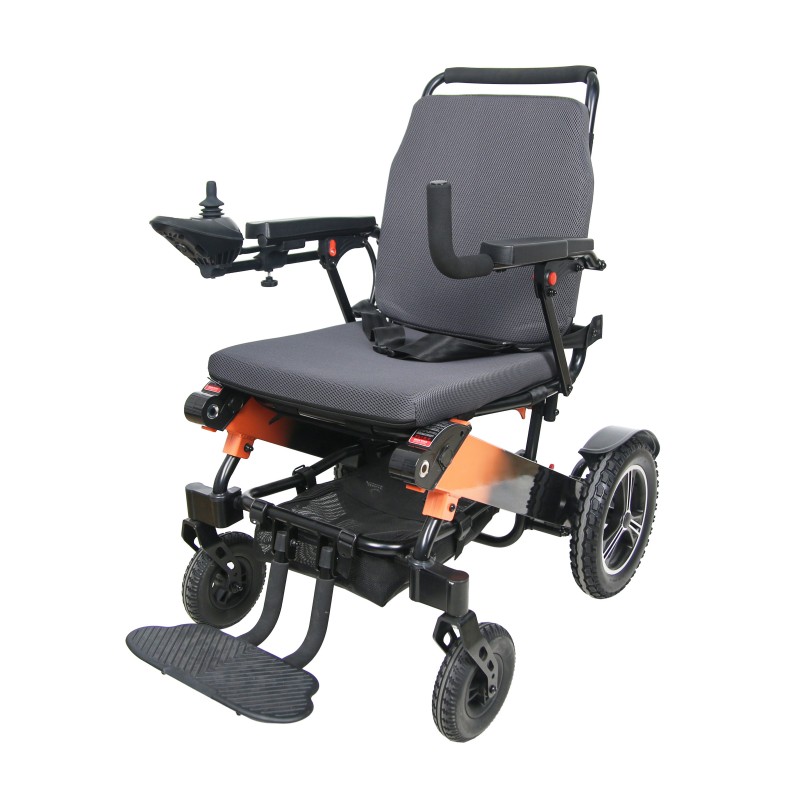
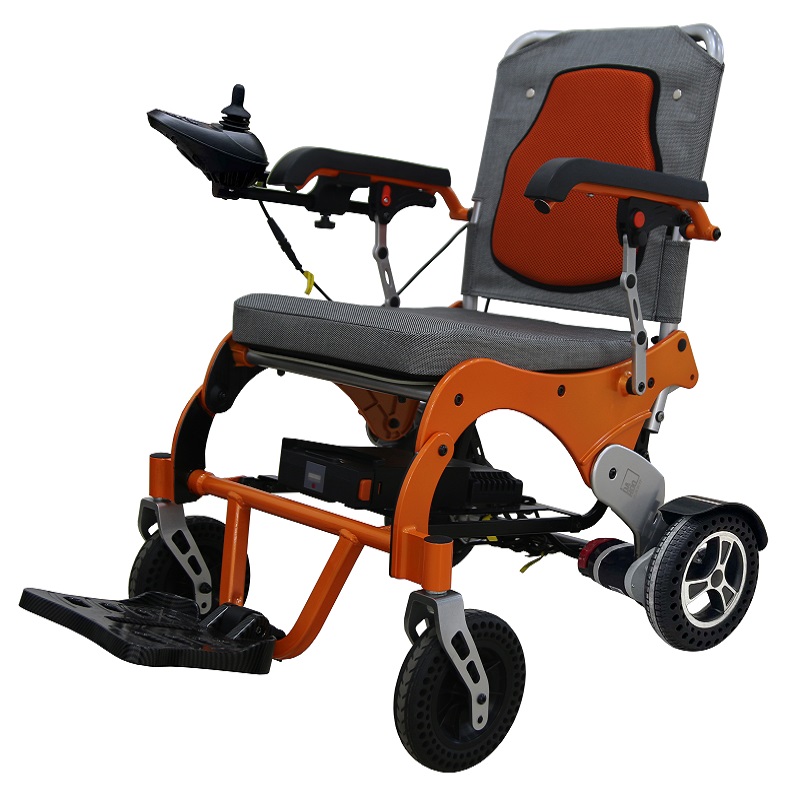
A wheelchair is a mobility aid for people with mobility impairments, and is divided into two main categories: manual wheelchairs and electric wheelchairs.
Its core purpose is to help users move from one location to another.
Wheelchairs, whether pushed or electrically powered, allow users to move freely within their homes, indoors, or outdoors.
The focus is on "mobility," not "toileting" or "care."
2. Key Characteristics of a Standard Wheelchair
• Primarily for mobility;
• Lightweight structure, easy to fold and carry;
• No bedpan, cannot be used directly for toileting;
• Suitable for extended periods away from home or daily commutes;
• Adjustable seat height or backrest angle in different models.
In general, standard wheelchairs emphasize "freedom of movement," not "daily care."
The Core Difference Between Toilet Wheelchairs and Wheelchairs
Although both fall under the category of wheelchairs, they differ significantly in design philosophy, functional positioning, and target audience. A detailed comparison follows:
Comparison Items | Toilet wheelchair | Standard wheelchair |
| Main Functions | Mobility + Toileting assistance | Mobility assistive device |
| Whether or not it includes a toilet | ✅ Equipped with a bedpan for direct toilet use | ❌ No bedpan, requires going to the toilet |
| Design Focus | Combines care and excretion functions | Primarily for lightweight mobility |
| Usage Scenarios | Suitable for home care, hospital wards, and rehabilitation centers | Indoor and outdoor travel, daily commuting |
| Waterproof Performance | Most models include this feature and can be used for bathing | Generally not waterproof |
| Weight | Relatively heavy | Typically lightweight |
| Cleaning Method | Requires regular bedpan cleaning | Requires no extra cleaning |
| Target Audience | Limited mobility but allows sitting up | For mobility impairments requiring mobility assistance |
| Foldability | Some models are foldable | Most models are foldable |
Functionally, toilet commode wheelchairs are more geared towards "daily care," while standard wheelchairs are more geared towards "mobility assistance."
What are the uses and advantages of toilet wheelchairs?
1. Providing safe toileting support for people with mobility impairments
For people with limited mobility due to surgery, illness, or old age, going to the toilet can be dangerous. Toilet wheelchairs allow them to use the toilet at the bedside or in the room, avoiding frequent getting up and walking, and reducing the risk of falls.
2. Reduced Workload for Caregivers
When caring for bedridden or mobility-limited patients, caregivers often need to assist them with getting up, walking, and using the toilet. The design of toilet commode wheelchairs allows caregivers to simply push the wheelchair to the bedside for transfers and toileting, reducing physical labor and improving efficiency.
3. Enhanced Patient Dignity and Independence
Using a toilet commode wheelchair allows patients to use the toilet independently with privacy protected, without the need for full assistance.
This not only maintains personal dignity but also contributes to psychological recovery and the restoration of self-confidence.
4. Multi-functional and Suitable for Various Environments
Many models of toilet wheelchairs have multiple uses:
• Can be pushed like a regular wheelchair;
• Can be used as a shower chair;
• Can be placed as a fixed commode chair in the bathroom.
This versatility makes toilet commode wheelchairs widely used in homes, hospitals, and rehabilitation centers.
5. Enhanced Safety During Care
Toilet commode wheelchairs feature sturdy support and non-slip footrests, and the wheels typically have brake locks to prevent slipping during use.
Patients can sit down safely to use the toilet without worrying about tipping over or slipping.

What are the common types of toilet wheelchairs?
1. Fixed Toilet Wheelchair
These devices have a stable structure and are typically used in a fixed position beside the bed or indoors. They either have no wheels or the wheels are lockable, prioritizing safety and stability.
2. Movable Toilet Wheelchair
With wheels, they can be pushed and moved, suitable for caregivers to assist users in using the toilet or bathing in different locations.
3. Folding Toilet Wheelchair
Lightweight and foldable, they are easy to carry or store, suitable for families with limited space.
4. Waterproof Toilet Wheelchair
Made of rust-resistant aluminum alloy or plastic, they can be used in the bathroom and can also double as a shower chair.
5. Electric Toilet Wheelchair
Some high-end models are equipped with an electric lifting system, allowing adjustment of seat height and tilt angle for easy patient repositioning.
What precautions should be taken when using a toilet wheelchair?
1. Place it on a stable surface
Ensure the floor is non-slip, especially in the bathroom or on tiled floors, to prevent slipping.
2. Check the structure before use
Check that the bedpan is secure, the brakes are locked, and the armrests are stable.
3. Maintain cleanliness and hygiene
After each use, clean the bedpan promptly and disinfect it with warm water to prevent bacterial growth.
4. Be aware of weight restrictions
Different toilet wheelchair models have different weight-bearing capacities; choose the appropriate size based on the user's weight.
5. Avoid prolonged sitting
If the user needs to sit in the toilet commode wheelchair for extended periods, change positions regularly to prevent pressure sores.
Usage Scenarios and Limitations of Standard Wheelchairs
1. Advantages of Standard Wheelchairs
• Lightweight and flexible, suitable for outings;
• Can be manually or electrically driven;
• Foldable and portable, easy to transport;
• Diverse designs, suitable for long-term use.
2. Limitations of Standard Wheelchairs
• Inability to use the toilet, requiring additional assistive devices;
• Not waterproof, cannot be used in the bathroom;
• Limited assistance for bedridden or seriously ill patients.
Therefore, when the user's priority is mobility, a standard wheelchair is more suitable; when the priority is care and daily living assistance, a toilet commode wheelchair should be chosen.
Recommendations for Choosing a Toilet Wheelchair vs. a Standard Wheelchair
1. When Should a Toilet Wheelchair Be Chosen?
A toilet wheelchair is recommended in the following situations:
• Those with limited mobility but able to sit up;
• During surgical recovery or long-term bedridden care;
• Elderly people who have difficulty using the toilet at night;
• People who need to sit while showering.
2. When Should a Standard Wheelchair Be Chosen?
If the user:
• Still has some mobility;
• Needs mobility when going out;
• Has a relatively spacious environment;
• Then a regular wheelchair is lighter and more versatile.
3. Can both be used in combination?
In many home care settings, two types of equipment are often used simultaneously:
• A regular wheelchair is used for outdoor or long-distance activities;
• A toilet wheelchair is used indoors, at night, or for bathing and toileting.
This combination ensures both convenient mobility and comprehensive care.
Toilet Wheelchairs and Wheelchairs—Both Assistive Devices, Yet Different Functions
While both toilet commode wheelchairs and wheelchairs are assistive mobile devices, their design starting points and usage goals are completely different.
• Wheelchairs emphasize "freedom of movement," serving as a tool for mobility;
• Toilet wheelchairs emphasize "convenience in daily life," acting as a caregiver.
In short:
Wheelchairs make travel easier, while toilet wheelchairs make daily life more independent.
For the elderly, post-operative patients, or those requiring long-term care, toilet commode wheelchairs not only provide convenience for toileting but also ensure safety and dignity.
For users who still have some mobility and need to go out, a regular wheelchair is a more flexible option.
Regardless of the type of device, the core goal is the same—to help people live safer and with more dignity.
How do Dayang products meet safety and environmental expectations?
Safety and compliance are built into product design and manufacturing processes. Dayang uses tested components and follows material selection rules to minimize risks and ensure product durability. Our quality management system and certifications (ISO13485, ISO9001, third-party testing by TUV) underpin a consistent approach to safety—including electrical safety for powered wheelchairs, reliable braking mechanisms, and robust frame design for manual chairs and beds.
