
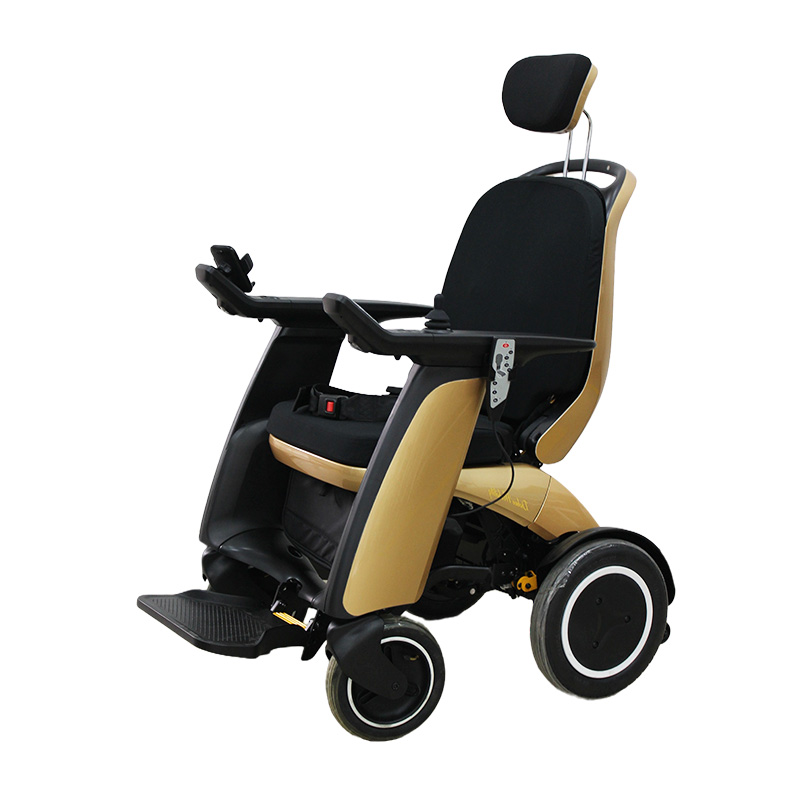
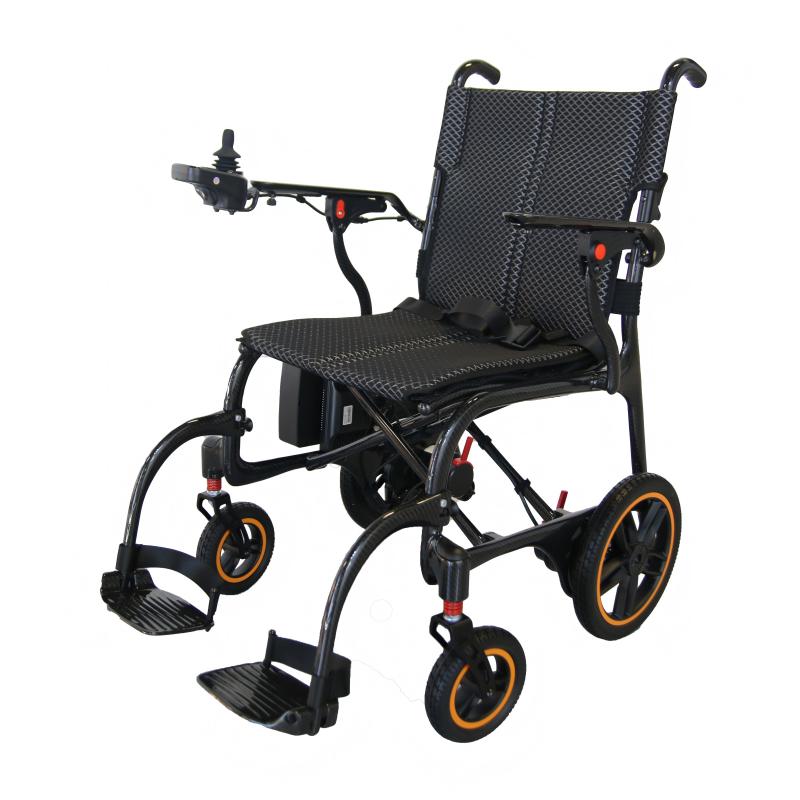
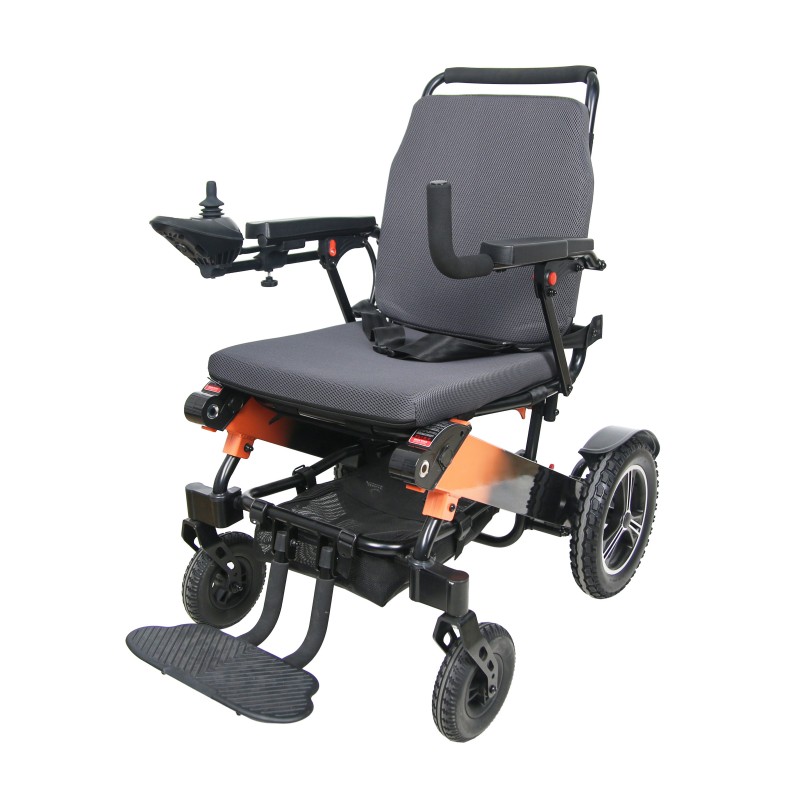
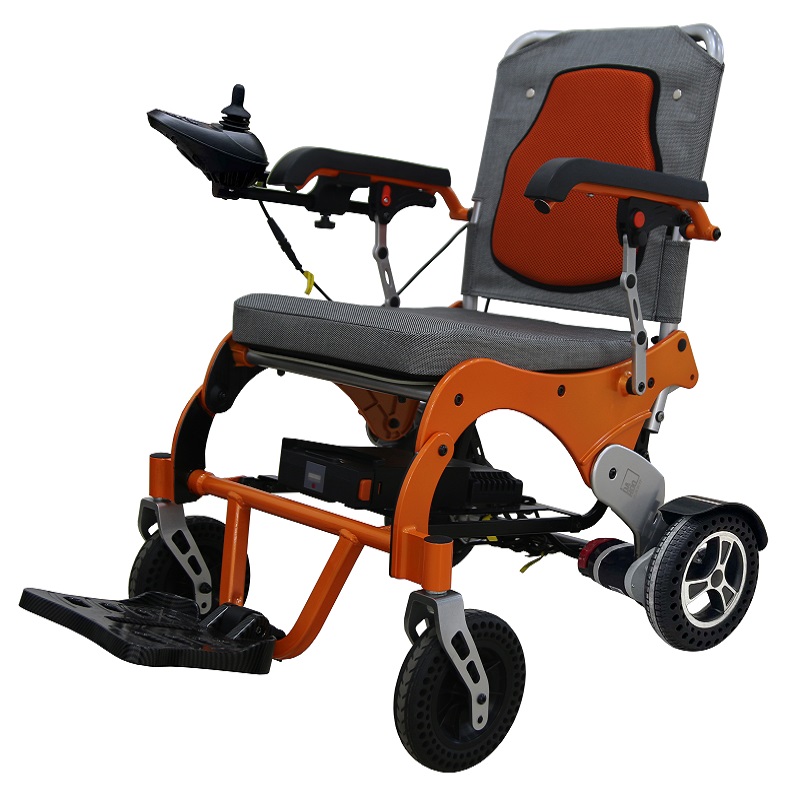
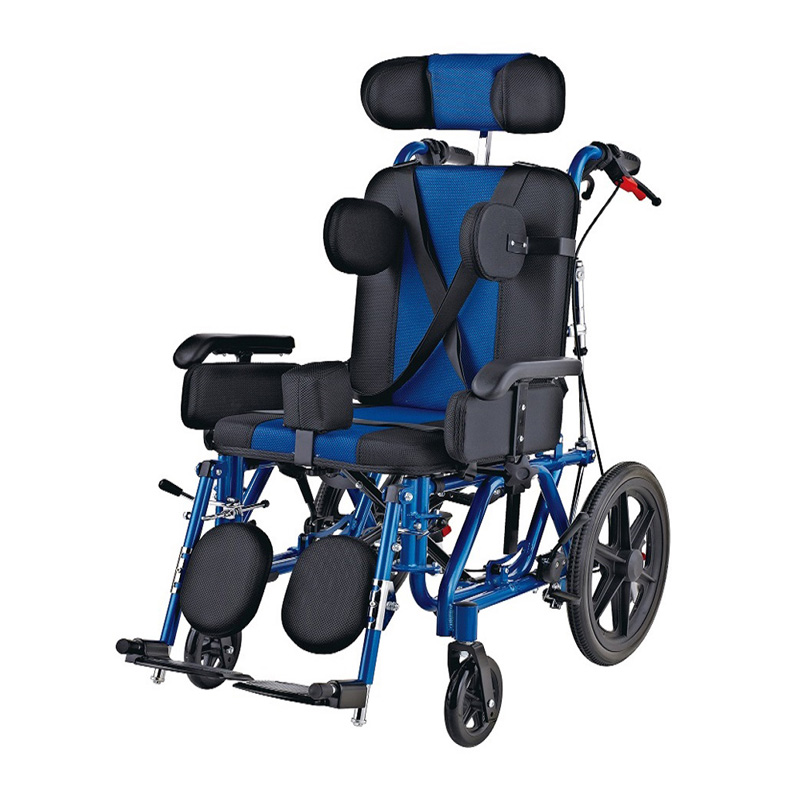
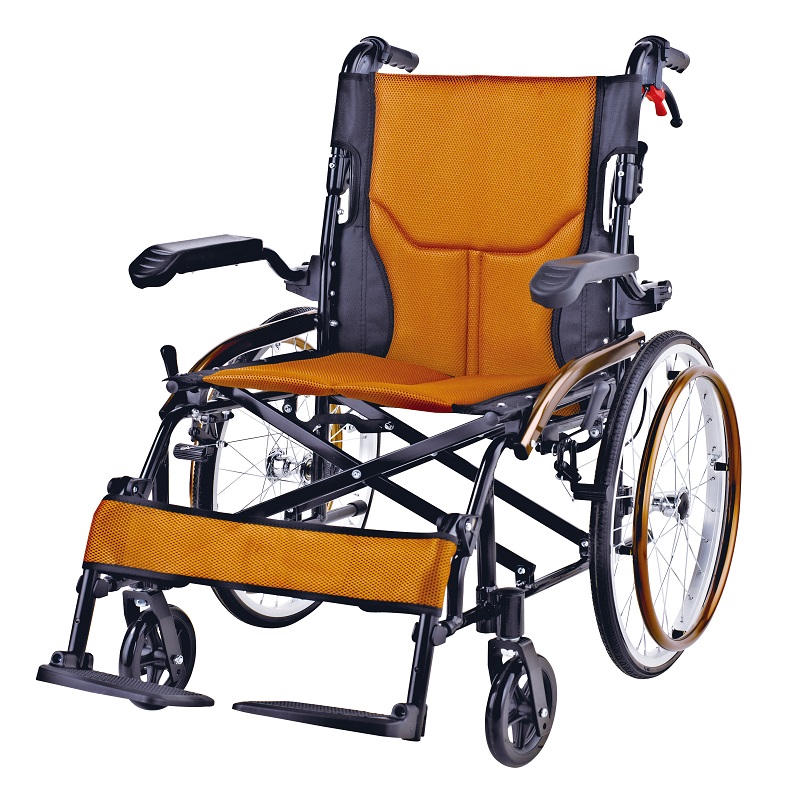
With the continuous advancement of modern medical and rehabilitation care systems, the Patient Lift Transfer Chair is gradually becoming an indispensable piece of equipment in hospitals, nursing homes, and home care settings. This device is highly specialized in its structural design and functional application, significantly reducing the workload of caregivers while ensuring the comfort and safety of those being transferred.
Many healthcare professionals and family caregivers have shown great interest in this device, but are not entirely clear on its working principles.
This article will provide an in-depth analysis of the Patient Lift Transfer Chair's structure, core functions, working mechanism, and applicable scenarios, comprehensively answering the question, "How does a Patient Lift Transfer Chair work?"
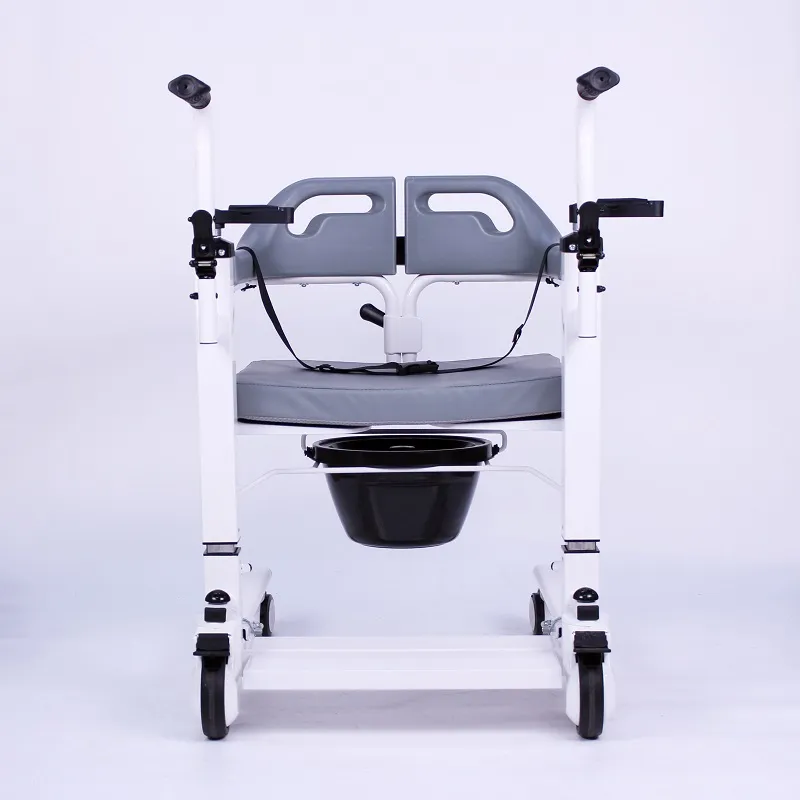
What is a Patient Lift Transfer Chair?
A Patient Lift Transfer Chair is an assistive device specifically designed to assist people with limited mobility (such as paralyzed patients, post-operative patients, and the elderly) in safely transferring them from beds, wheelchairs, bathrooms, chairs, etc., to other locations. Its core function is to achieve barrier-free operation during patient transfer through a mechanical or electric lifting system and a detachable or movable seat structure.
The Patient Lift Transfer Chair solves two core problems in the medical, elderly care, and home care fields:
1. Patients are unable to move themselves;
2. Caregivers face difficulties in moving the patient, which can easily lead to secondary injuries or manpower shortages.
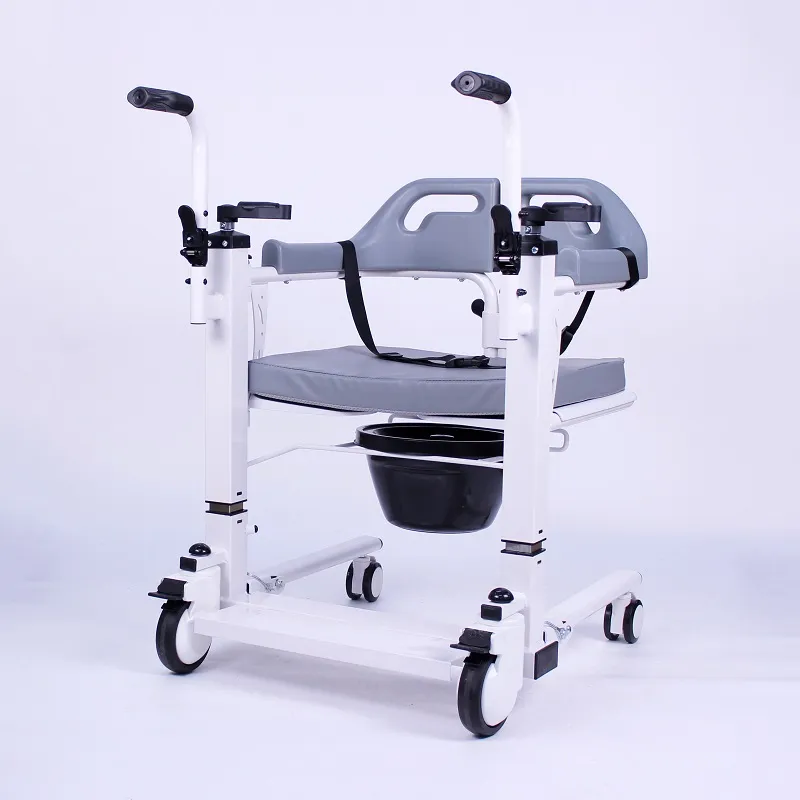
What are the core structural components of a Patient Lift Transfer Chair?
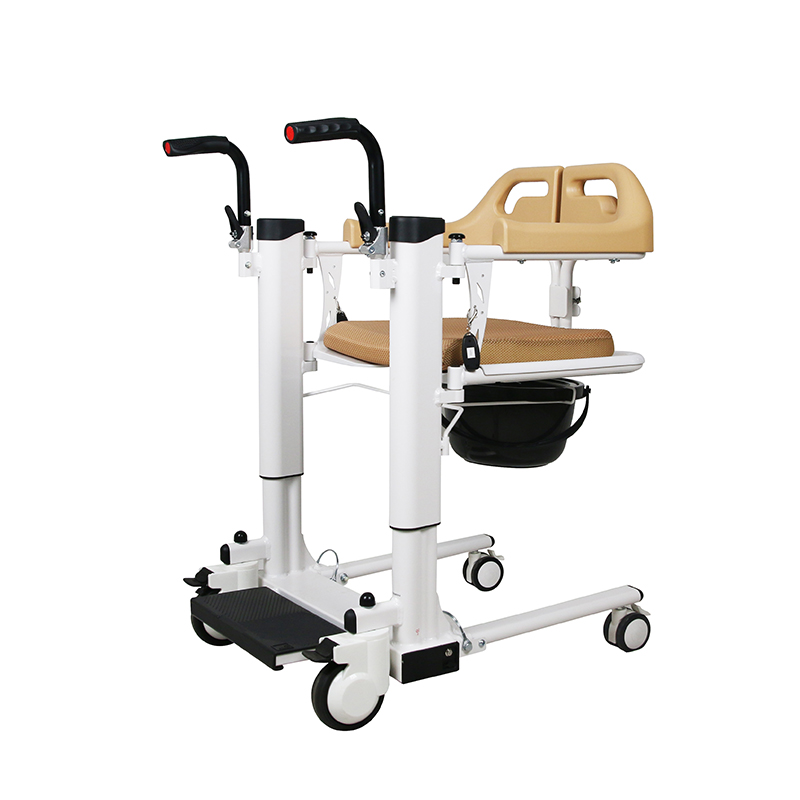
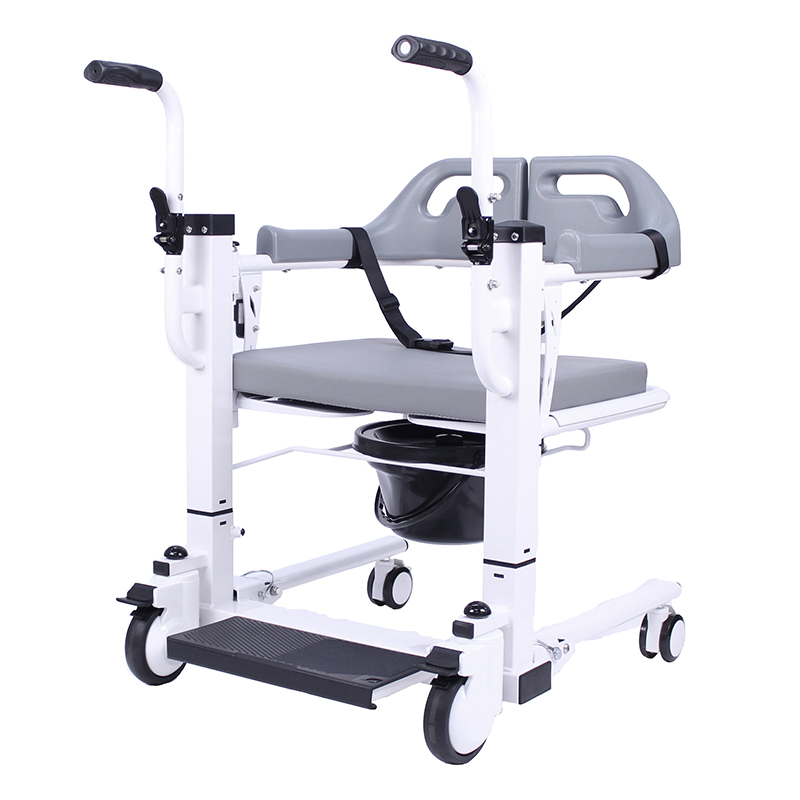
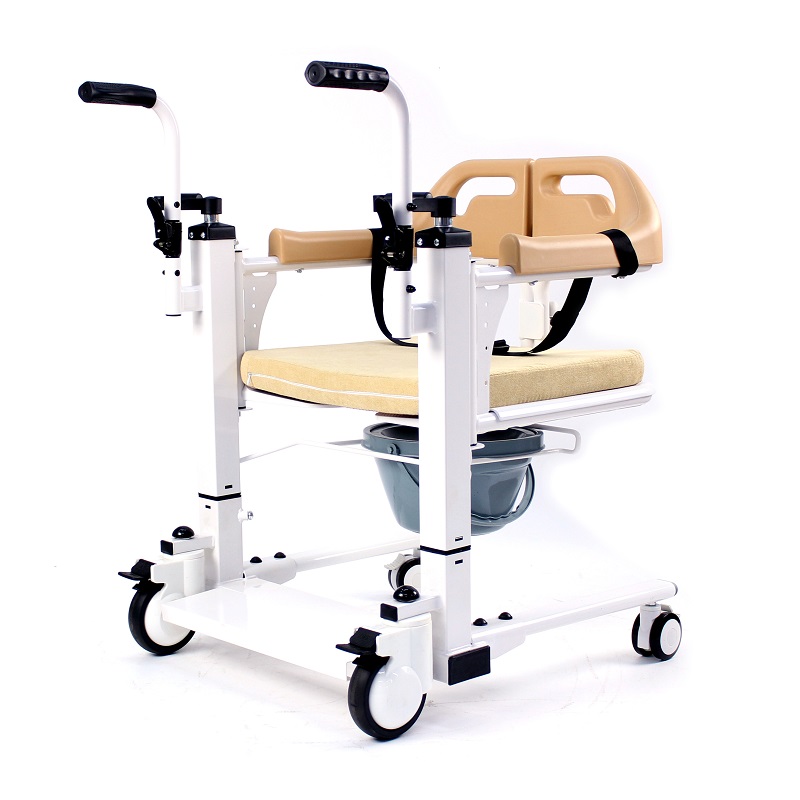
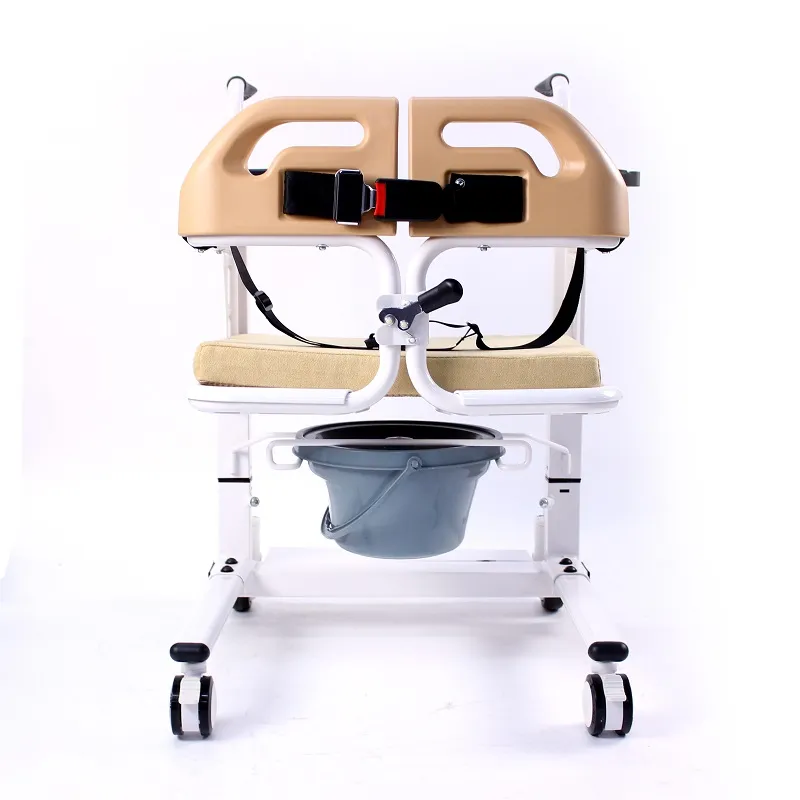
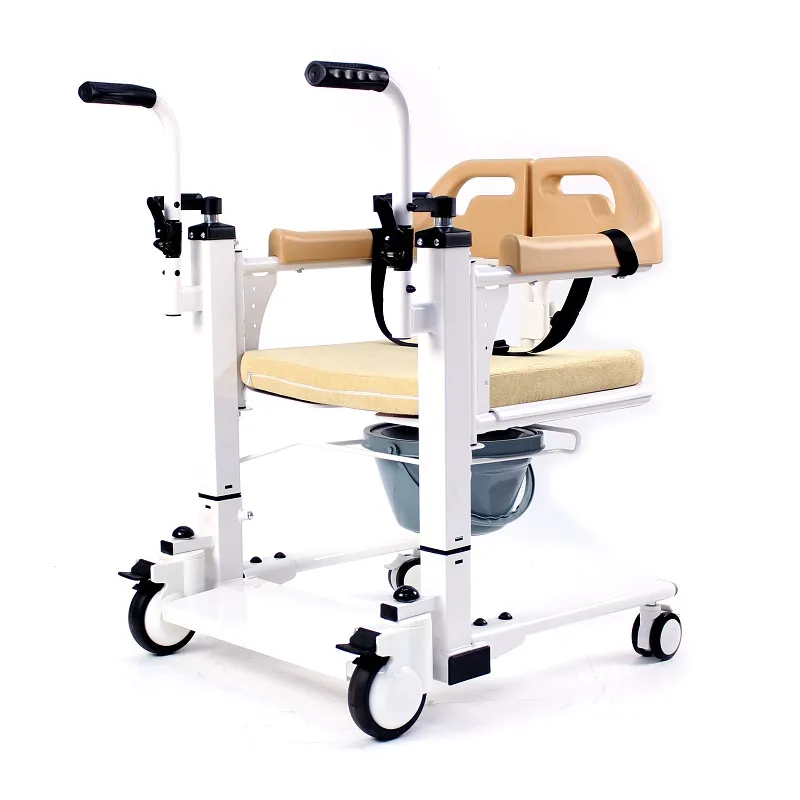
To understand how a Patient Lift Transfer Chair works, we must first analyze its structure. A standard Patient Lift Transfer Chair typically consists of the following parts:
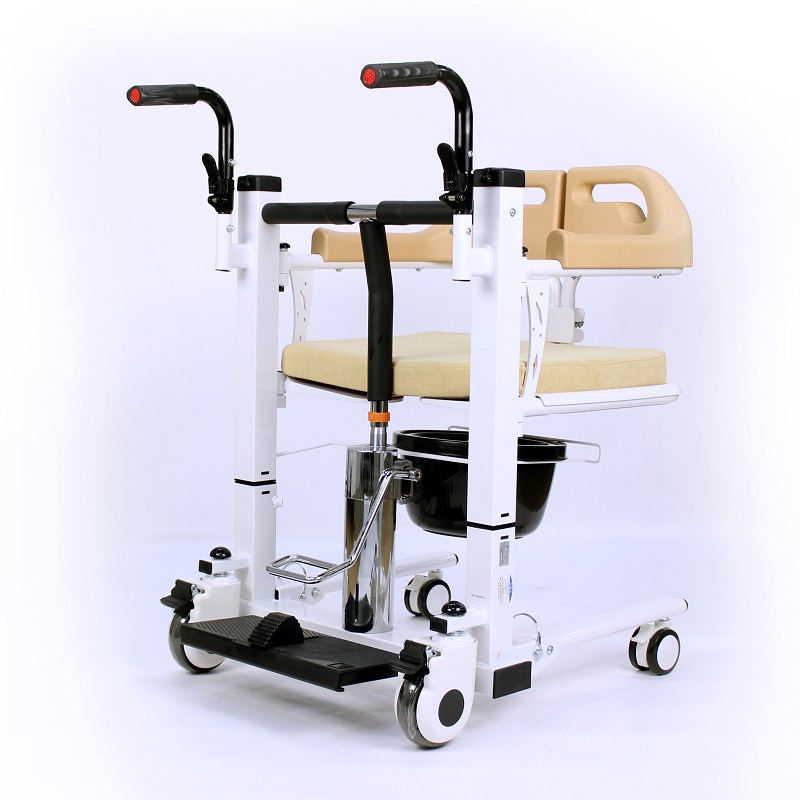
1. Lifting System
This is the "heart" of the Patient Lift Transfer Chair. Its function is to raise or lower the patient's body vertically for height adaptation.
• Mechanical Lifting: Lifting is achieved via a hand crank or hydraulic foot pedal, suitable for scenarios with limited budgets or low care frequency.
• Electric Lifting System: Lifting is achieved using an electric push rod or motor; the operator only needs to press a control button, suitable for hospital and high-frequency care applications.
2. Openable Seat Structure
Patient Lift Transfer Chairs are typically designed to open laterally or recline, facilitating the transfer of patients from the bed to the chair and subsequent folding and securing. Common structures include:
· Split-type opening seat;
· Concealed transfer slats;
· Fold-back and seat.
3. Adjustable Armrests and Backrest System
Armrests provide support and protection. Most Patient Lift Transfer Chairs feature height-adjustable or swivel armrests for directional transfer. The backrest affects patient comfort and safety; some models support reclining and angle adjustment.
4. Casters and Braking System
Patient Lift Transfer Chairs are equipped with four or six swivel casters for easy movement and pushing in multiple directions. High-quality units often feature dual-wheel braking systems and anti-tilt mechanisms to enhance stability and safety during operation.
5. Footrest/Footrest System
The footrest design provides support for the patient when getting up or sitting down, while the footrest keeps the legs in a natural vertical or horizontal position during transport, preventing muscle tension or slippage.
6. Safety Belt and Support Belt
Used to secure the patient to the transfer chair and prevent slippage. Some high-end models use a three-point or five-point safety belt design.
What is the workflow of the Patient Lift Transfer Chair?
The entire workflow of the Patient Lift Transfer Chair can be divided into five key steps: positioning, lifting, transfer, securing, and moving.
Step 1: Chair Positioning
The operator pushes the Patient Lift Transfer Chair next to the patient's location, such as the edge of a hospital bed, sofa, or toilet. The casters need to be locked to keep the device stationary.
Step 2: Seat Opening and Lifting Preparation
Depending on the model, the sides of the seat open or the back folds down, allowing the patient to move sideways to directly above the seat. Then, the mechanical or electric lifting device is activated to bring the seat level with or slightly lower than the target position.
Step 3: Patient Seating or Transfer
• If the patient can sit, assist them to hold onto the armrests and sit down independently.
• If the patient cannot sit, use a sliding board, harness, sliding mat, or two people working together to smoothly move the patient onto the chair.
Step 4: Secure Attachment
Close the seat or sliding mechanism, adjust the backrest, armrests, and safety belts to ensure the patient's sitting posture is stable and comfortable. Check that the lower limbs are properly placed on the footrests.
Step 5: Transfer and Target Alignment
Release the brakes and push the Patient Lift Transfer Chair to the destination. Upon arrival, use the lowering operation (usually electric or hydraulic) to allow the patient to smoothly align with a target such as a toilet, wheelchair, or bedside.
The entire process requires almost no lifting of the patient, significantly reducing the risk of secondary injuries caused by transport.
Patient Lift Transfer Chair: What are the working scenarios?
The Patient Lift Transfer Chair is suitable for various medical and home scenarios. Here are some typical application examples:
1. Bed to Toilet Transfer
This is the most common and demanding nursing step. Traditional methods require two people to assist and lift the patient, which is prone to slipping. Using the Patient Lift Transfer Chair, the patient can sit directly on the bed, then lower themselves to toilet height before being transferred, making the entire process more efficient and safer.
2. Bed to Shower Chair/Shower Room
Many models of the Patient Lift Transfer Chair are waterproof and can be used directly as a shower chair, integrating transfer and showering.
3. Bed to Wheelchair/Sofa/Car Seat
For patients who need to temporarily leave for medical appointments, the Patient Lift Transfer Chair allows for a smooth transfer to a wheelchair or car seat without the need for assistance.
4. Nighttime Toileting Needs in Home Care
At night or when fatigued, home caregivers using traditional methods to lift and move patients are not only highly dangerous but also prone to accidents. The Patient Lift Transfer Chair significantly improves the safety of nighttime care.
What types of Patient Lift Transfer Chairs are available?
Based on differences in power systems, structural materials, and functional modules, Patient Lift Transfer Chairs can be broadly categorized as follows:
Types | Description | Suitable Environments |
| Mechanical/Hydraulic Type | Lifting and lowering via manual or foot-operated hydraulic pump | Small clinics, home care |
| Electric Lifting Type | Electric push rod control for easier operation | Hospital wards, senior communities |
| Intelligent Control Type | Features remote control, display screen, and voice function | High-end nursing facilities |
Foldable/Portable Type | Lightweight, detachable, and portable | Home and outing compatible scenarios |
| Combined Shower and Bath Type | Fully waterproof design with seat cushion drainage holes | Transportation use in bathing areas |
Technological Support Behind the Working Principle of Transfer Chairs
The safe and stable transfer function of the Patient Lift Transfer Chair relies on modern engineering technology:
• Linear actuator technology: Enables precise and vibration-free electric lifting;
• Aerospace-grade aluminum alloy structure: Reduces equipment weight and increases load-bearing capacity;
• Ball bearing caster system: Ensures flexible steering and wear resistance;
• Intelligent braking system: Prevents slippage or falls during transport;
• Ergonomic seat design: Improves patient comfort and posture stability.
What benefits do buyers get from Dayang Medical factory promotions?
Our factory promotions give buyers the chance to purchase at cheaper prices while still receiving high quality products. Promotions include bulk discounts, seasonal deals, and special offers for repeat customers.
By working with our factory in China, buyers get direct quotes, wholesale purchasing options, and low price supply. Hospitals, distributors, and mobility brands use these promotions to reduce their costs while ensuring reliable manufacturing.
