
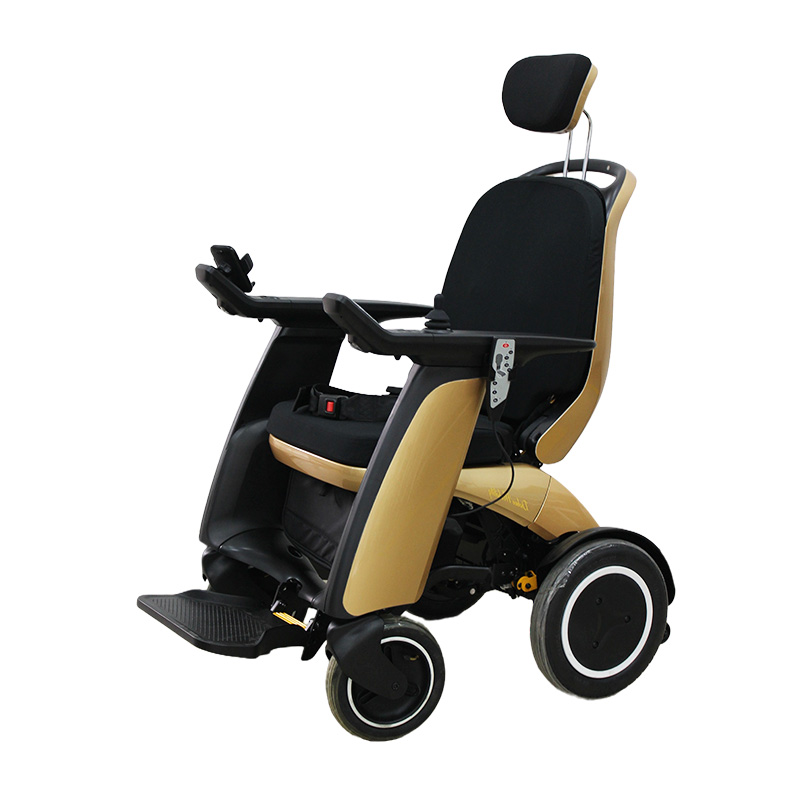
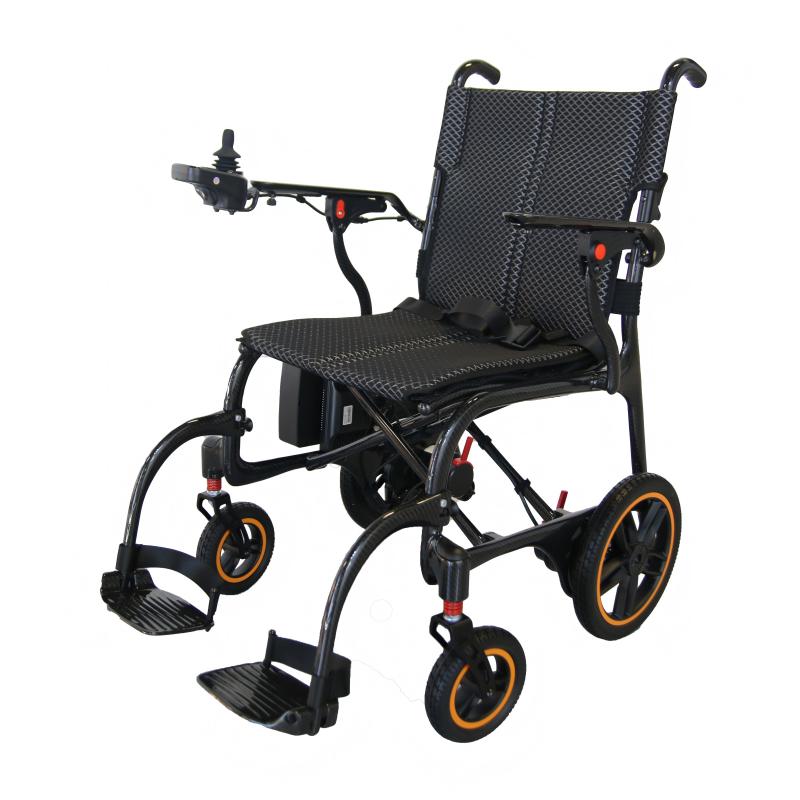
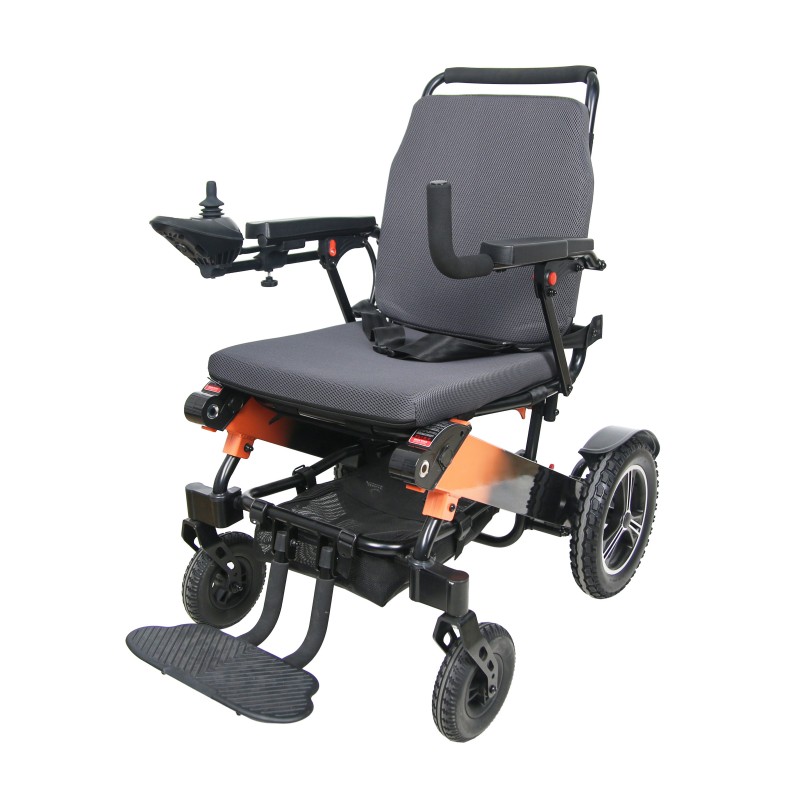
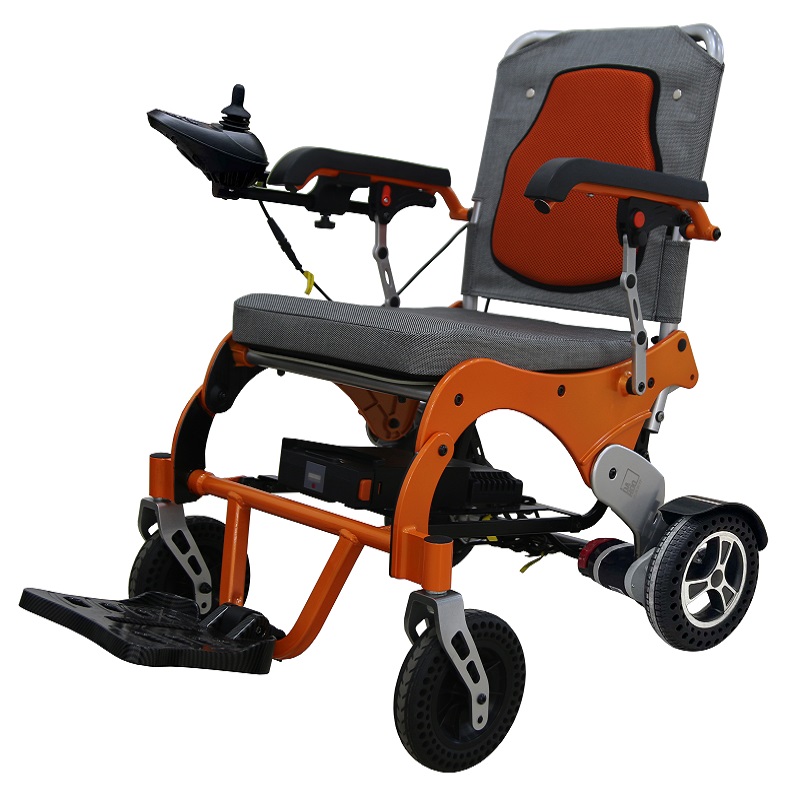
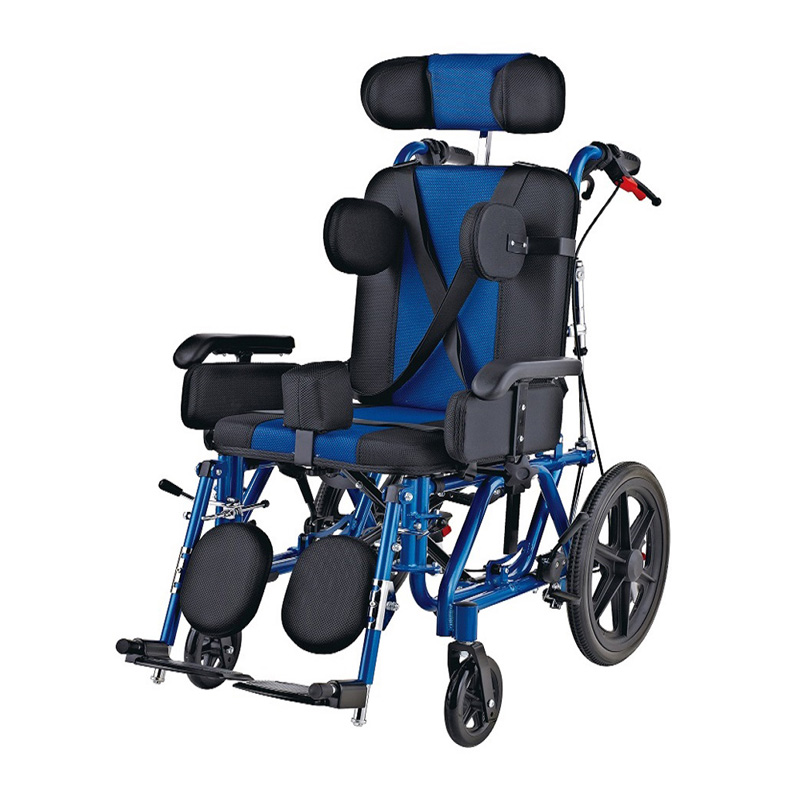
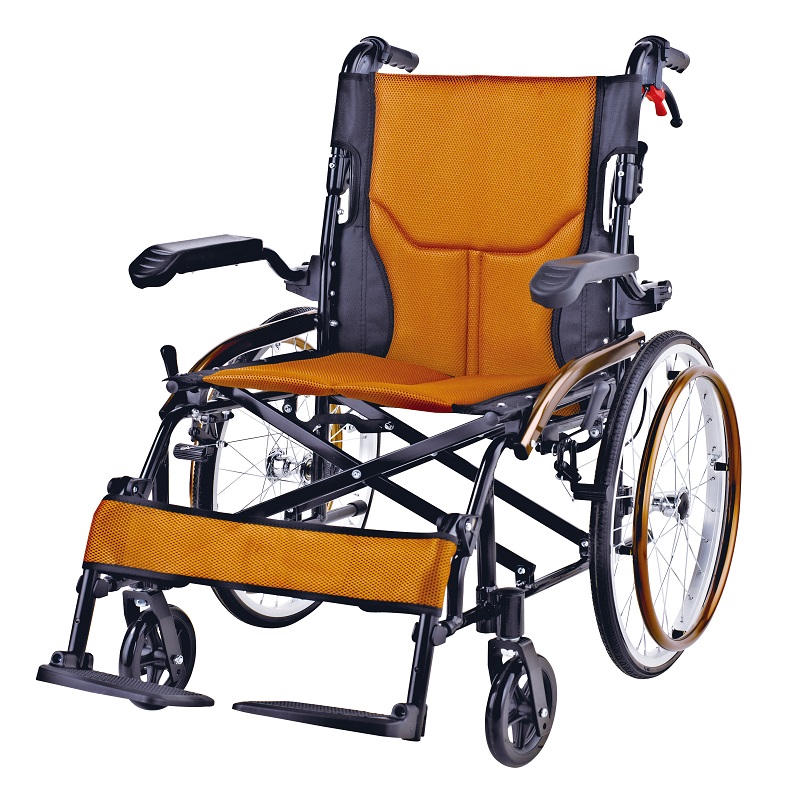
In the fields of medical rehabilitation and daily living assistance, wheelchairs are essential tools for helping patients with mobility impairments maintain their independence and quality of life. Different medical diagnoses may lead to temporary or long-term loss of walking ability, requiring the use of manual or electric wheelchairs.
This article will systematically review common clinical diagnoses, explain why wheelchair assistance is needed in these situations, and how to choose the appropriate wheelchair type based on the patient's condition.
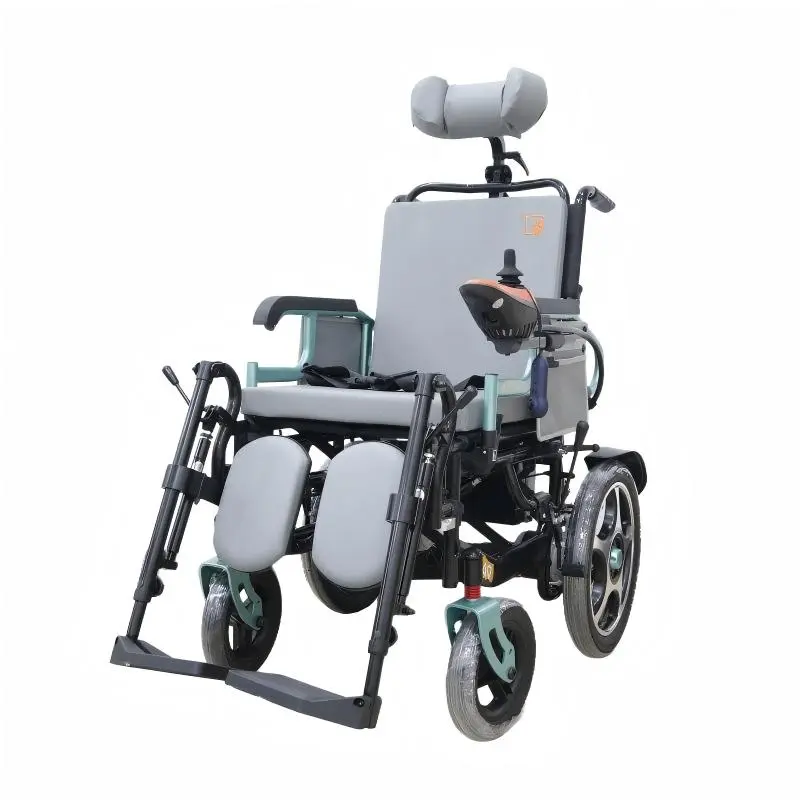
Why do medical diagnoses determine the need for a wheelchair?
Medical diagnoses are crucial for assessing the degree and duration of physical dysfunction. Many diseases or injuries can cause lower limb muscle weakness, limited joint movement, or loss of balance, thus affecting a patient's ability to walk.
When a patient is unable to safely and stably perform daily activities, doctors typically recommend the use of a manual or electric wheelchair based on the diagnostic results to ensure safety and reduce the burden of care.
Generally, the following three categories most commonly require a wheelchair:
• Motor dysfunction caused by neurological diseases;
• Lower limb movement restriction caused by musculoskeletal injuries or diseases;
• Significant physical weakness due to chronic diseases or frailty caused by old age.
Which neurological diseases lead to the need for a wheelchair?
Neurological disorders often directly affect the coordination of body movements and muscle control. When the lesion damages motor nerves, the spinal cord, or the brain's motor centers, the patient may lose the ability to walk independently.
1. Spinal Cord Injury: Why Do Patients Often Need Wheelchairs?
Spinal cord injury (SCI) is the most typical disease leading to long-term wheelchair dependence. The extent of functional impairment varies depending on the location of the injury:
• Cervical spine injury: Quadriplegia; most patients require an electric wheelchair.
• Thoracic or lumbar spine injury: Lower limb paralysis; some patients can use a manual wheelchair.
• Partial spinal cord injury: Those with relatively strong residual muscle strength may be able to walk for short periods, but still require wheelchair assistance.
During rehabilitation, doctors will assess the type of wheelchair to use based on muscle strength and balance. For example, electric wheelchairs, with their easy-to-control joysticks, are more suitable for patients with insufficient upper limb strength or high-level injuries.
2. Multiple Sclerosis: When to Switch from Canes to Wheelchairs?
Multiple sclerosis (MS) is a chronic demyelinating disease, often manifesting as lower limb weakness, tremors, and fatigue. As the disease progresses, walking distance gradually decreases, and the risk of falls increases.
In the middle and late stages, when walking more than 10 meters becomes significantly unsteady, manual wheelchairs become a common choice; if upper limb fatigue or decreased coordination occurs, electric wheelchairs should be considered.
3. Parkinson's Disease: When is an Electric Wheelchair Needed?
Early Parkinson's disease patients often present with tremors and bradykinesia. As the disease worsens, gait freezing and postural instability lead to frequent falls.
When medication is insufficient to control the disease and walking is difficult, electric wheelchairs can reduce physical exertion and improve mobility safety. Some patients can still maintain short-distance walking through rehabilitation training, but wheelchair assistance is still needed for daily outings.
4. Sequelae of Stroke: Which Patients Must Rely on Wheelchairs?
Hemiplegia, ataxia, or dystonia caused by a stroke (CVA) often prevent patients from standing independently. For those who still cannot walk steadily after rehabilitation, a suitable manual wheelchair should be chosen. If upper limb function is also limited or hemiplegia is severe, an electric wheelchair can provide better independent mobility.
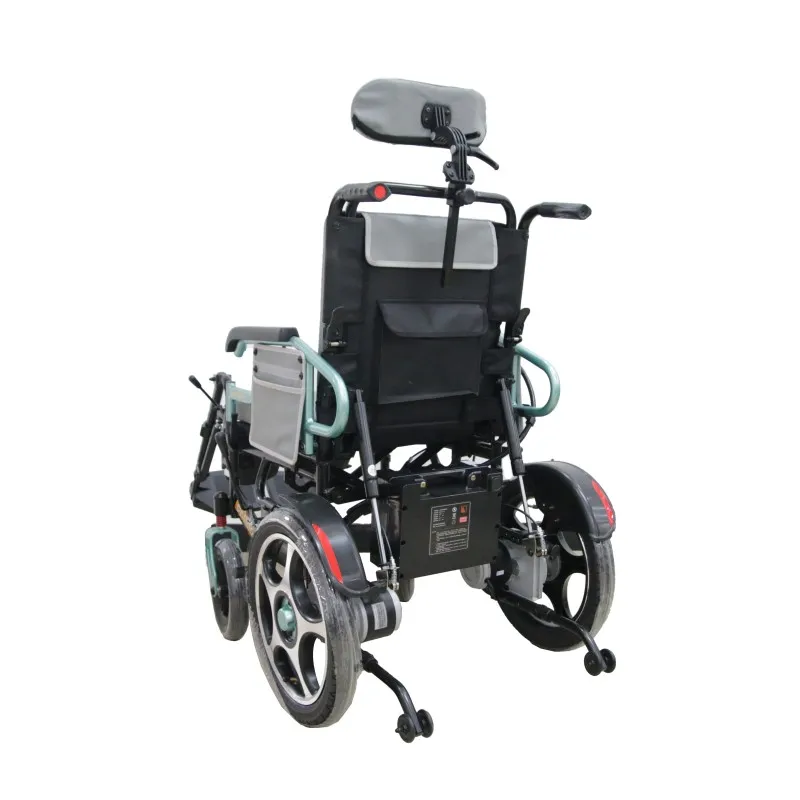
Which musculoskeletal diseases or injuries require a wheelchair?
Muscles and bones are the foundation of human movement. When structures are damaged or strength is insufficient, walking ability declines significantly.
1. After severe fractures or joint replacement surgery: Is a wheelchair necessary?
After lower limb fractures, hip or knee replacement surgery, patients are often advised to limit weight-bearing walking. In the early postoperative rehabilitation period, a manual wheelchair is usually needed to avoid secondary injury.
If the patient is elderly or physically weak and has difficulty pushing a wheelchair, an electric wheelchair can be chosen as a temporary or long-term assistive tool.
2. Progressive muscular dystrophy: Why is an electric wheelchair more suitable?
Progressive muscular dystrophy causes continuous muscle atrophy and decreased strength.
In the early stages, patients can rely on walking aids to maintain activity, but as muscle strength is lost, using an electric wheelchair becomes the most effective mode of transportation. Electric wheelchairs can compensate for muscle weakness and reduce the burden on caregivers.
3. Osteoporosis-induced spinal compression fractures: Should wheelchairs be used long-term?
Osteoporosis patients have increased bone fragility, and even minor falls can cause compression fractures. During rehabilitation, manual wheelchairs can help patients reduce pain and maintain social activities.
However, long-term wheelchair use requires attention to prevent muscle atrophy; walking training should be gradually resumed under the guidance of a rehabilitation physician.
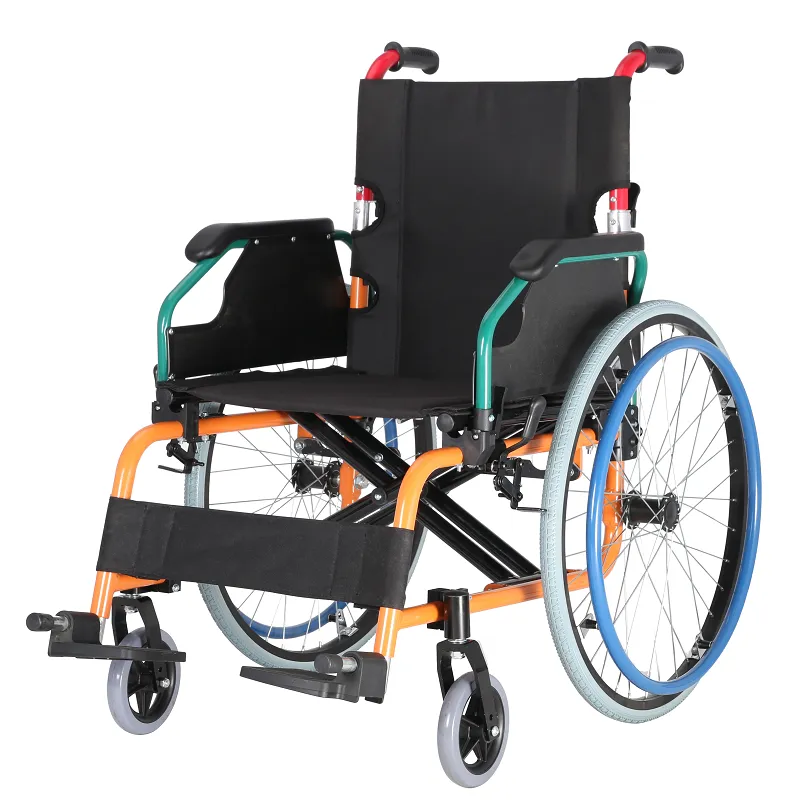
Which chronic diseases and frailty syndromes require wheelchair assistance?
Besides obvious neurological and skeletal diseases, some systemic diseases or geriatric syndromes can also cause patients to lose walking endurance.
1. Chronic obstructive pulmonary disease (COPD) patients: How to choose a wheelchair when physical strength declines?
COPD patients experience severe shortness of breath during activity. When they need to stop after walking 10 meters, using an electric wheelchair can reduce energy consumption and improve independence.
For those with relatively good respiratory function, manual wheelchairs can also meet the needs of short-distance travel.
2. Patients with heart failure or advanced coronary artery disease: When should electric wheelchairs be considered?
Patients with heart disease may experience shortness of breath, chest tightness, or even fainting after minimal exertion. To prevent triggering cardiac events, doctors may recommend using an electric wheelchair instead of walking.
Electric wheelchairs allow patients to go out, shop, or participate in family activities without expending physical energy, significantly improving their quality of life.
3. Geriatric Frailty Syndrome: Which Wheelchair is More Suitable?
Elderly individuals often experience muscle weakness, impaired balance, and coexisting chronic diseases. If walking distance is reduced and the risk of falls is high, manual wheelchairs are a common choice; however, if there are few caregivers or the patient lacks upper limb strength, electric wheelchairs are more practical.
How to Choose the Appropriate Wheelchair Type Based on Diagnosis?
Different diagnoses determine the patient's functional needs for a wheelchair. An inappropriate choice not only affects comfort but may also increase physical burden.
1. Typical Groups Choosing Manual Wheelchairs
Manual wheelchairs are suitable for the following types of patients:
• Those with good upper limb muscle strength and clear consciousness;
• Those requiring short-term or intermittent use;
• Those with limited financial resources or small living space;
• Those with caregivers who can assist in pushing the wheelchair.
Manual wheelchairs offer advantages such as lightweight construction, low price, and simple maintenance, and are commonly used during post-operative rehabilitation and for individuals with mild lower limb disabilities.
2. Typical Patients Choosing Electric Wheelchairs
Electric wheelchairs are more suitable for the following patients:
• Those with insufficient upper limb strength and poor muscle control;
• Those requiring long-term use;
• Those with independent operation ability;
• Those with a large mobility radius and frequent outings.
The automatic drive system of electric wheelchairs can greatly improve mobility efficiency, especially important for those with high-level paraplegia, neurodegenerative diseases, or frail elderly individuals.
3. The Importance of Physician Assessment and Rehabilitation Guidance
Before officially providing a wheelchair, rehabilitation physicians typically conduct the following assessments:
• Muscle strength and range of motion;
• Sitting balance and postural control;
• Adaptability to living environment;
• Psychological acceptance and learning ability.
Through professional assessment, patients can obtain a wheelchair solution more suited to their individual diagnostic conditions.
Frequently Asked Questions: Medical Considerations Regarding Wheelchair Use
1. Why can some people walk while others need a wheelchair when they have the same diagnosis?
The same disease can manifest differently in different patients. Factors such as age, physical strength, rehabilitation progress, and complications all affect walking ability. For example, even with the same stroke sequelae, some people recover well and can walk with crutches, while others need to rely on a manual or electric wheelchair long-term.
2. Will long-term wheelchair use lead to muscle atrophy?
Improper use can indeed lead to lower limb muscle atrophy. However, doctors usually coordinate rehabilitation training to help patients maintain some muscle activity while using a wheelchair.
Alternating between walking aids and wheelchairs appropriately can strike a balance between safety and muscle strength maintenance.
3. Are electric wheelchairs suitable for all people with mobility impairments?
Not all patients are suitable for electric wheelchairs. If a patient has severe cognitive impairment or slow reaction time, using an electric device may pose safety risks. Furthermore, the living environment (such as narrow corridors or stairs) can also affect the practicality of electric wheelchairs.
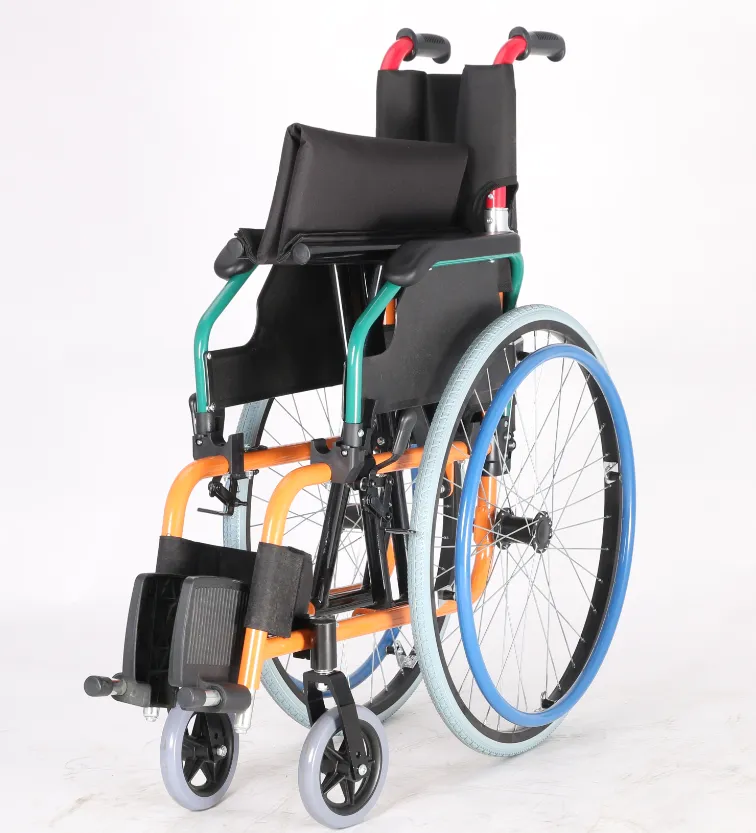
The Scientific Correlation Between Diagnostic Results and Wheelchair Selection
Whether a wheelchair is needed depends on the impact of the illness on walking function, balance, and physical endurance.
Generally speaking:
• Neurological disorders (such as spinal cord injury and stroke) are the most common causes of long-term wheelchair use;
• Musculoskeletal system injuries often result in intermittent use;
• Chronic diseases and frailty in the elderly may require electric assistive devices to maintain independence in daily living.
1. Manual wheelchairs are suitable for short-term rehabilitation and patients with mild disabilities.
2. Electric wheelchairs are suitable for those with long-term, wide-range activities or severe muscle weakness.
Medical diagnosis is not the end point, but the starting point for developing an assistive plan.
What makes Dayang Medical a cost-effective manufacturer?
Dayang Medical is cost-effective because we combine efficient factory production in China with direct sales to global buyers. This eliminates middleman costs, allowing clients to enjoy low price purchasing. At the same time, we maintain high quality standards through ISO13485 and CE certifications.
Our wide range of products—from wheelchairs to beds hospital—makes us a one-stop supplier brand that balances cheap prices with professional quality.
