
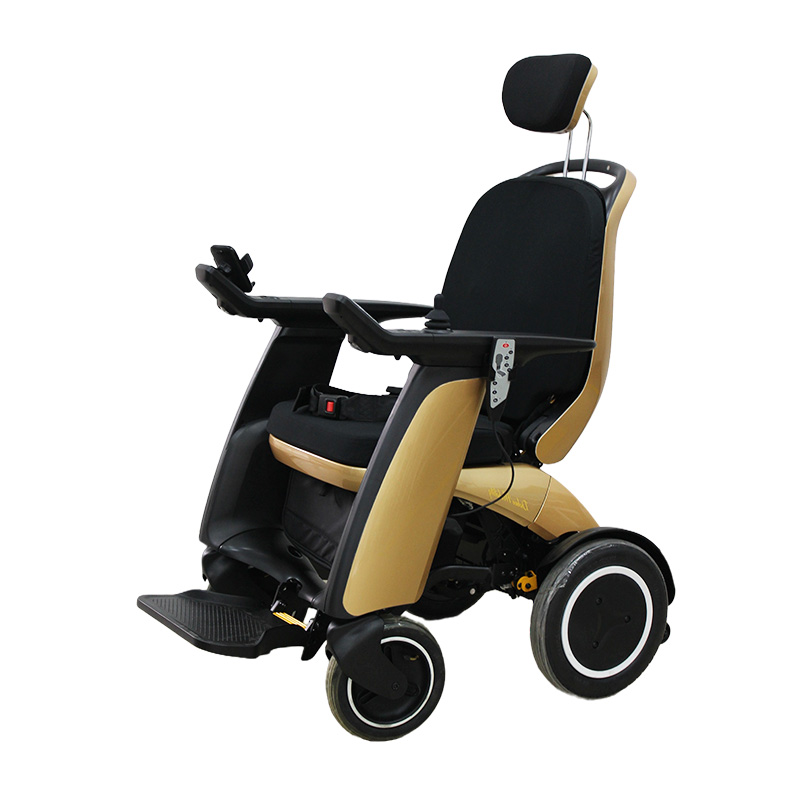
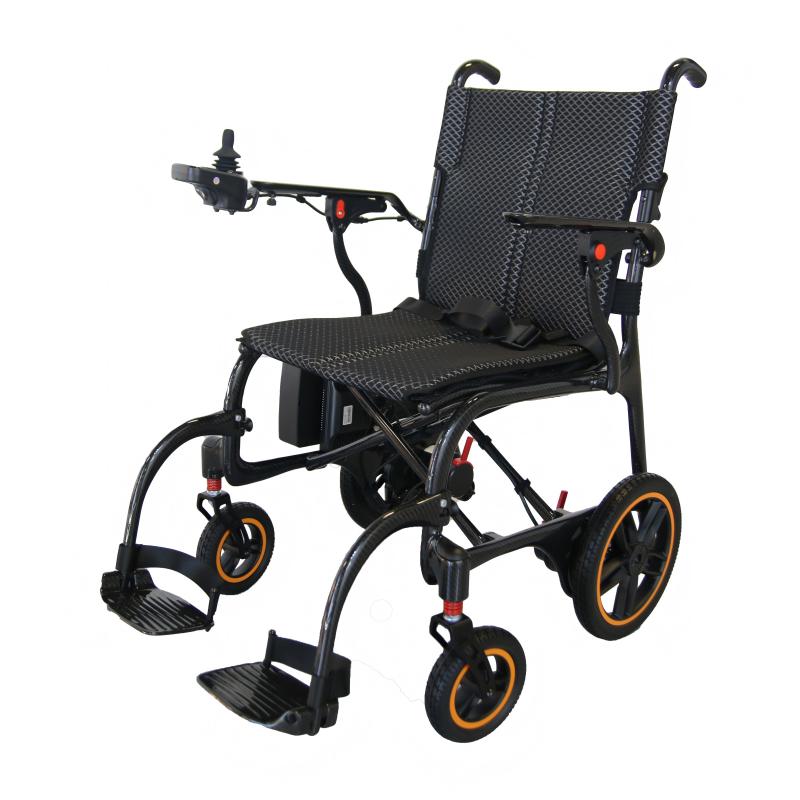
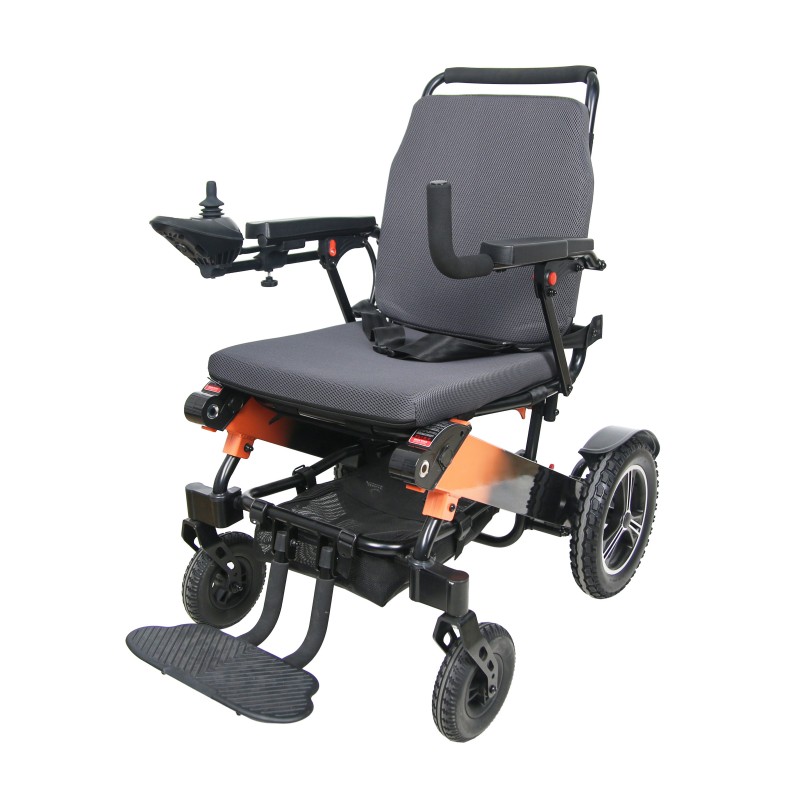
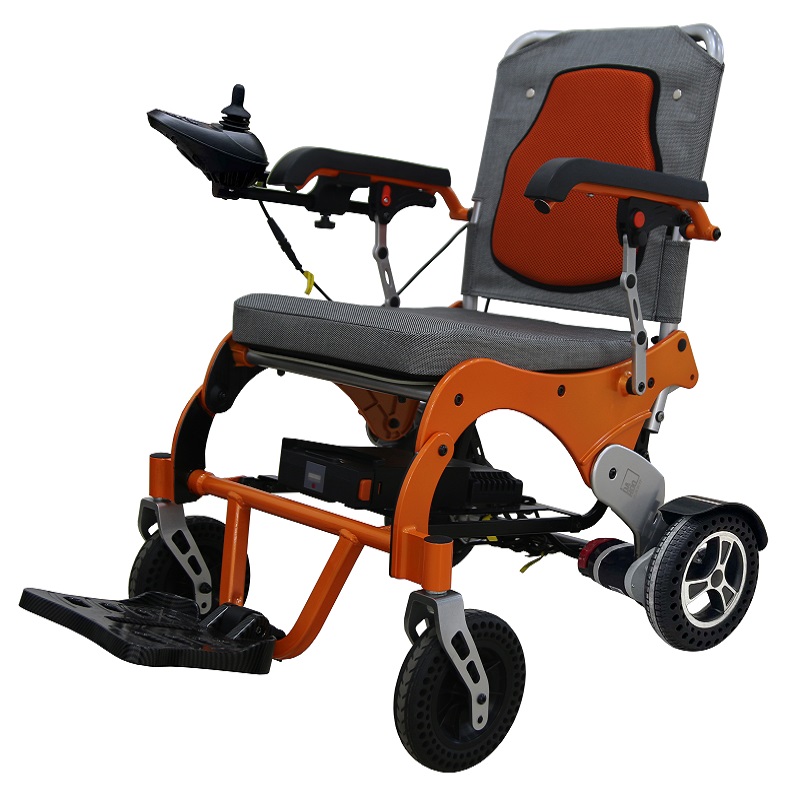
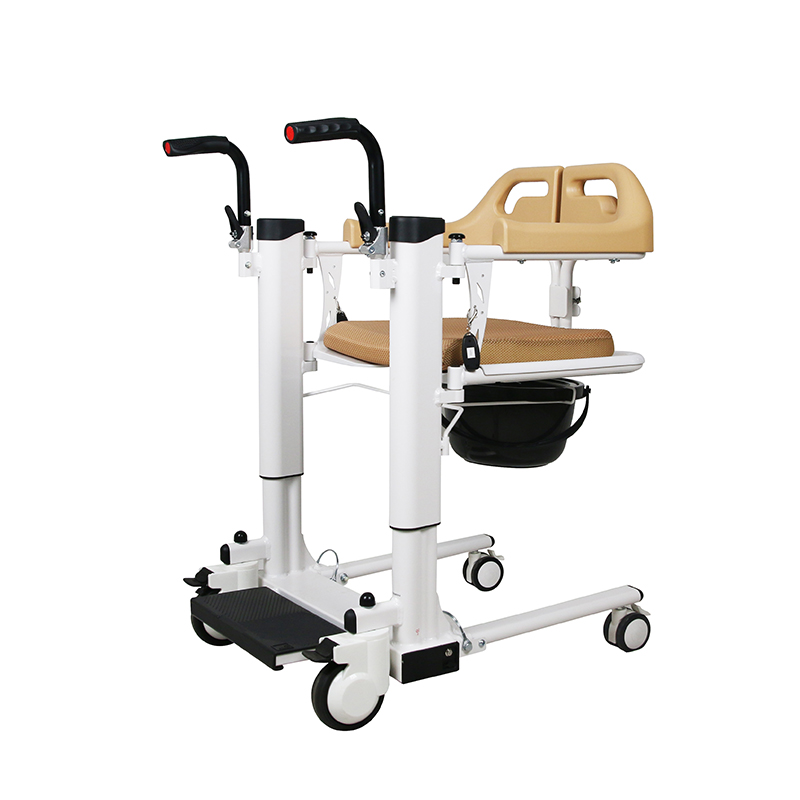
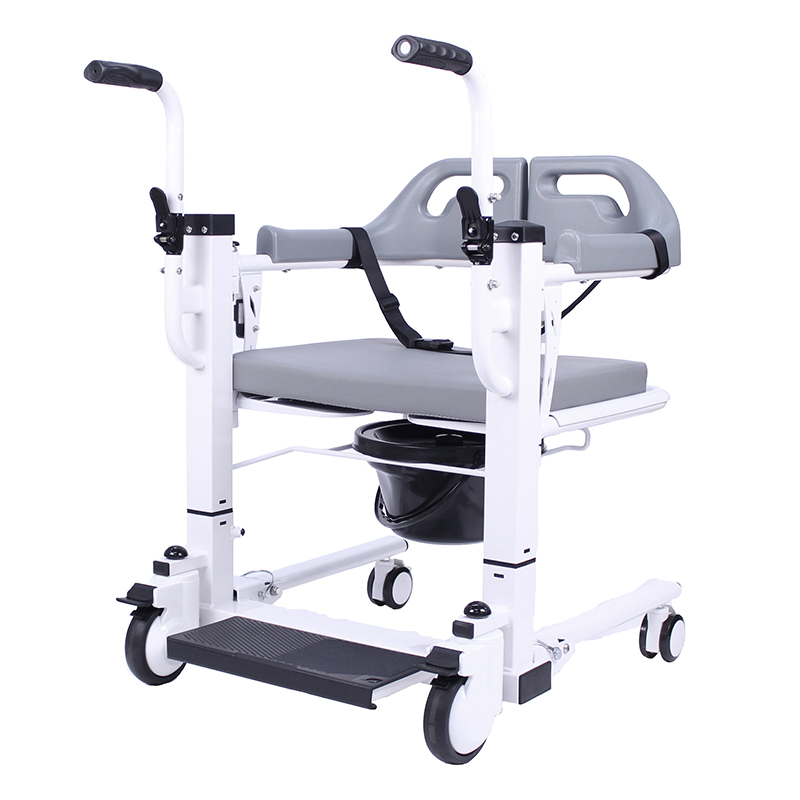
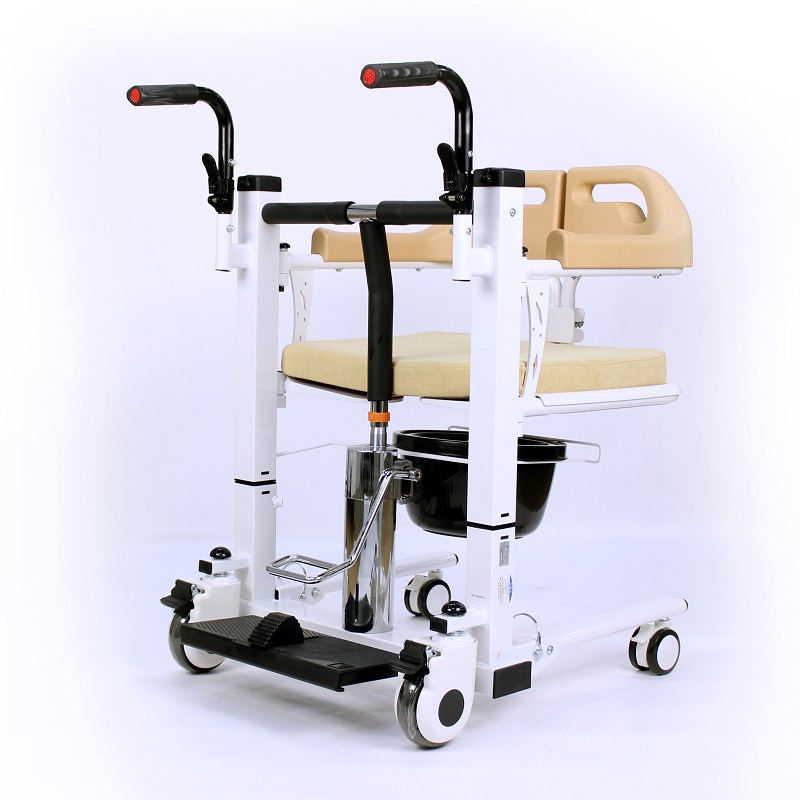
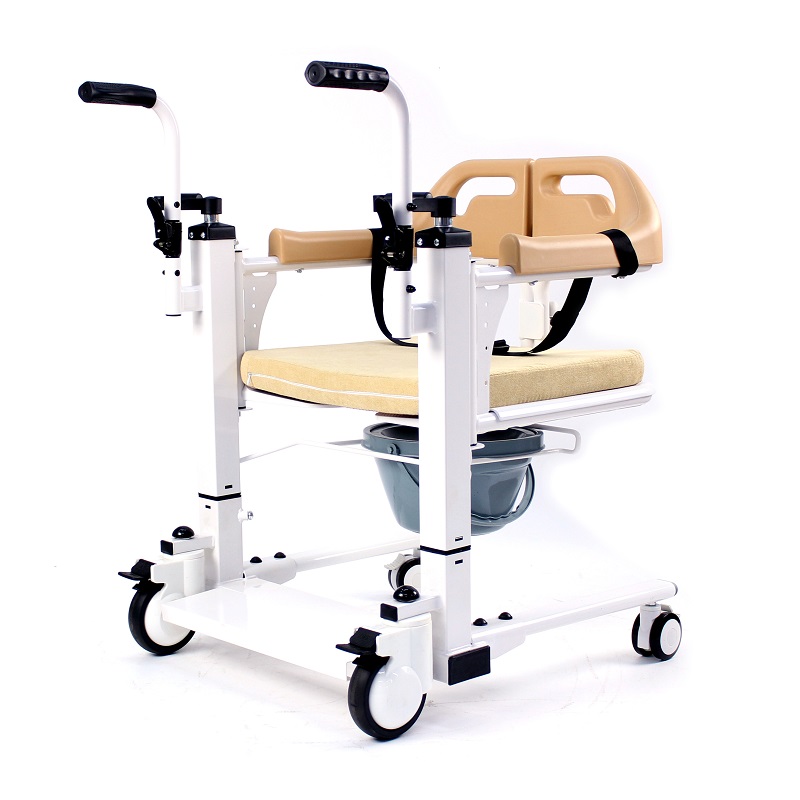
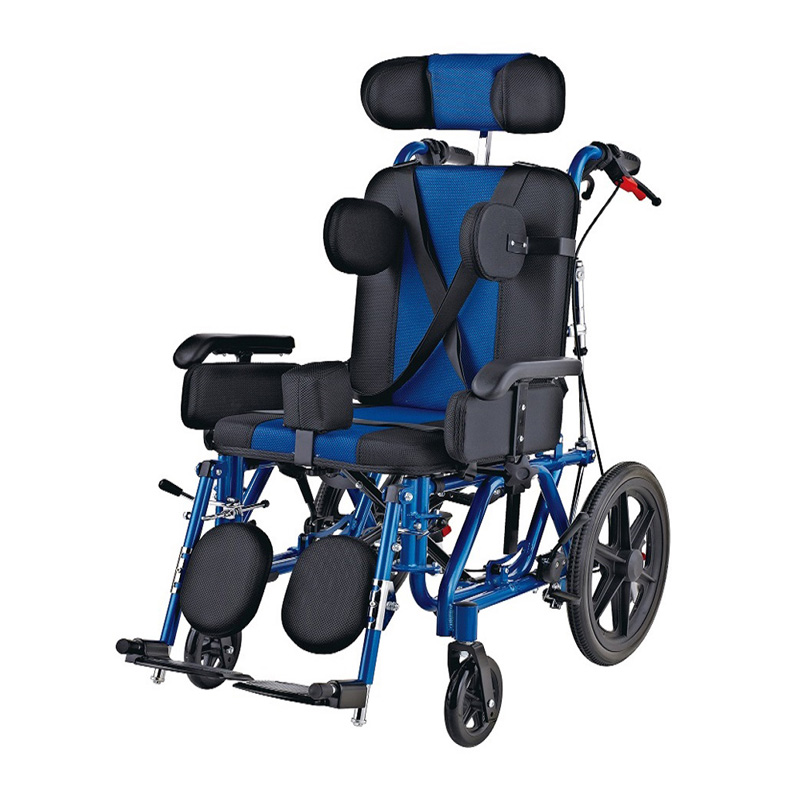
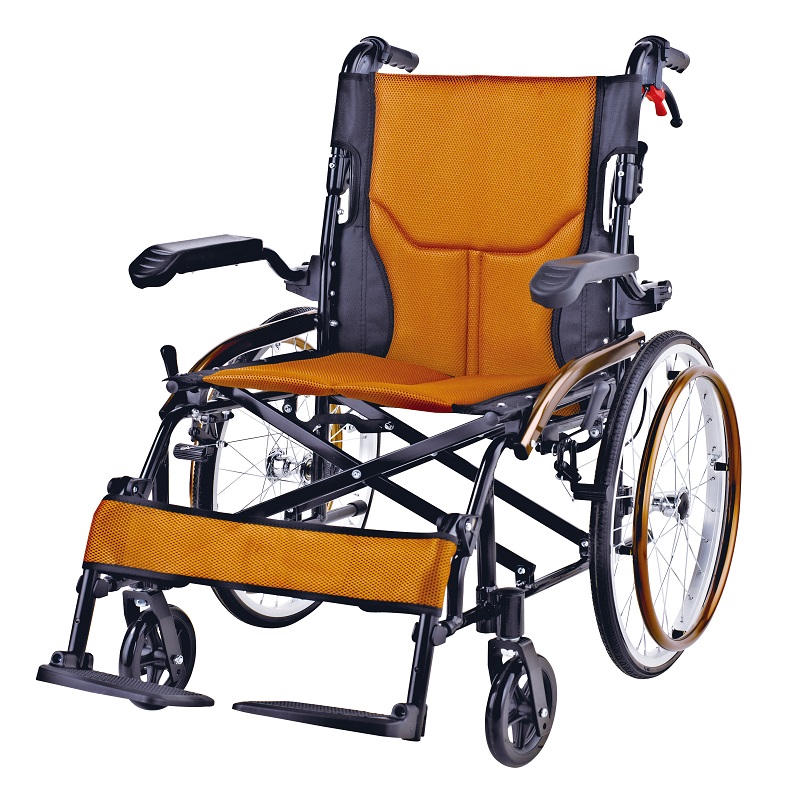
In hospitals, nursing homes, and home care settings, the Patient Lift Transfer Chair has become an indispensable piece of nursing equipment. It helps caregivers or family members more easily transfer patients from bed to wheelchairs, bathrooms, and other locations.
Faced with various models of Lift Transfer Chairs on the market—manual, electric, and pneumatic—the most pressing question is: which Lift Transfer Chair is more effortless, safer, and more practical?
This article will delve into the core question of "which Patient Lift Transfer Chair is more effortless" from multiple perspectives, including structural principles, ease of operation, effort-saving performance, safety, and ergonomics, and concludes that the electric Lift Transfer Chair is currently the most effortless and efficient choice.
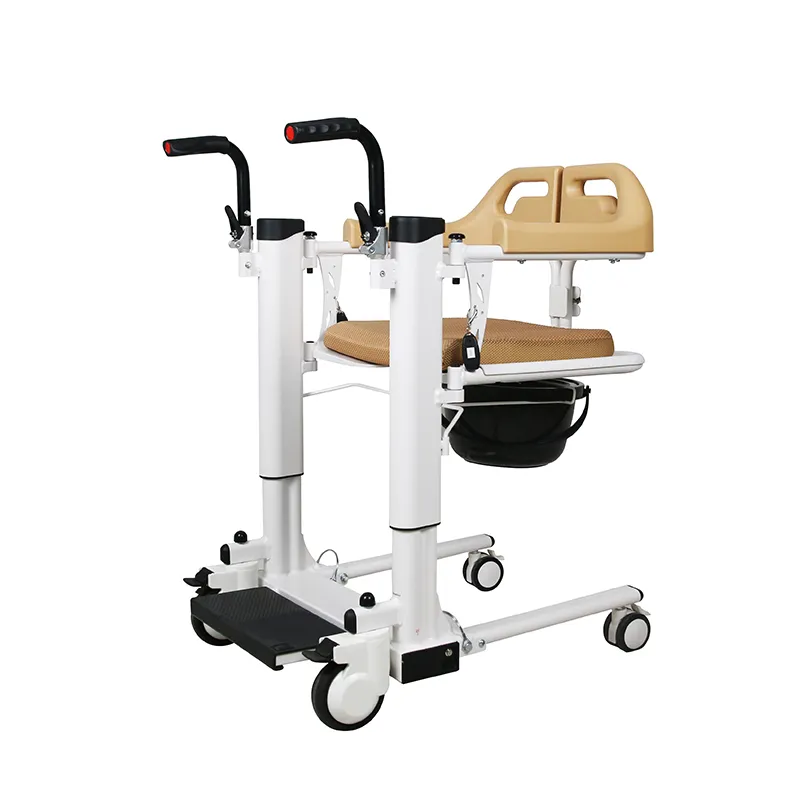
What is a Patient Lift Transfer Chair?
A Patient Lift Transfer Chair is a multifunctional nursing device that integrates "lifting," "movement," "transfer," and "sitting/lying assistance." Its core purpose is to:
• Reduce the physical burden on caregivers
• Improve the safety and comfort of patient transfers
• Reduce the risk of secondary injuries (such as lumbar strain, patient falls, etc.)
Common types of Lift Transfer Chairs include:
• Manual Lift Transfer Chair: Height and lowering are achieved via hydraulic rods or foot pumps.
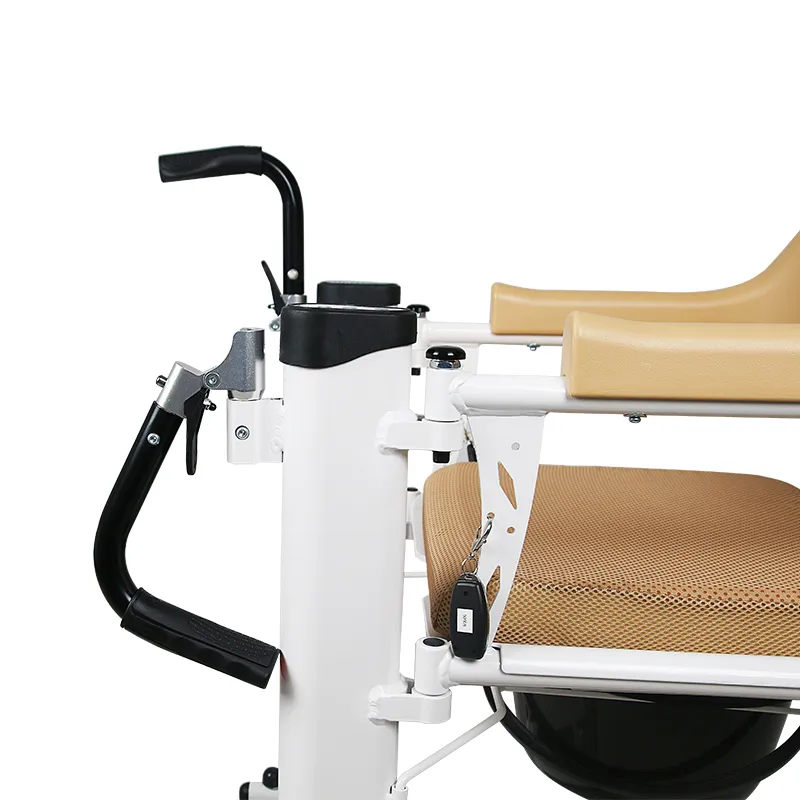
• Electric Lift Transfer Chair: Height and lowering are achieved via buttons or remote control, with a built-in motor and electronic control system.
• Pneumatic Assisted Transfer Chair: Height and lowering are assisted by air pressure; operation is relatively easy, but control precision is limited.
Among these types, the electric Lift Transfer Chair, with its high degree of automation and outstanding labor-saving performance, is gradually becoming the mainstream choice in nursing homes.
Why is labor-saving the core criterion for choosing a Lift Transfer Chair?
For caregivers, "labor-saving" not only means physical ease but also relates to work efficiency and occupational health.
Prolonged manual lifting and transferring of patients can easily cause problems such as lumbar spine injuries and shoulder strains. For home caregivers (especially family members of the elderly), labor-saving is crucial for safety and the ability to provide continuous care.
The labor-saving performance of a Lift Transfer Chair is mainly reflected in the following aspects:
• Does the lifting process require manual force?
• Is the operation smooth and can it be completed by one person?
• Does it reduce the number of patient transfers?
• Can it accurately align with the height of beds, wheelchairs, toilets, etc.?
In these indicators, the electric Lift Transfer Chair performs significantly better than manual or pneumatic devices.
Is an electric Lift Transfer Chair really more labor-saving than a manual one?
1. Comparison of Lifting Drive Methods
Manual Lift Transfer Chairs typically rely on hydraulic foot pedals or hand cranks to complete the lifting action. Although no electricity is required, each use requires a certain amount of physical effort, and the lifting speed is limited. For heavier patients, caregivers often need to perform multiple operations to complete a single lift.
In contrast, the electric Lift Transfer Chair uses a motor-driven system, allowing for smooth lifting with just the touch of a button.
Its advantages include:
• Completely labor-free operation: Caregivers can complete the entire lifting process without applying any force.
• Smooth lifting: Avoids the wobbling or unevenness experienced with manual operation.
• Highly Precise Control: Fine-tuning is possible to accommodate the height of the bed or toilet, ensuring a smooth connection.
Therefore, from the perspective of converting mechanical energy into electrical energy, the electric Lift Transfer Chair is indeed physically "more labor-saving."
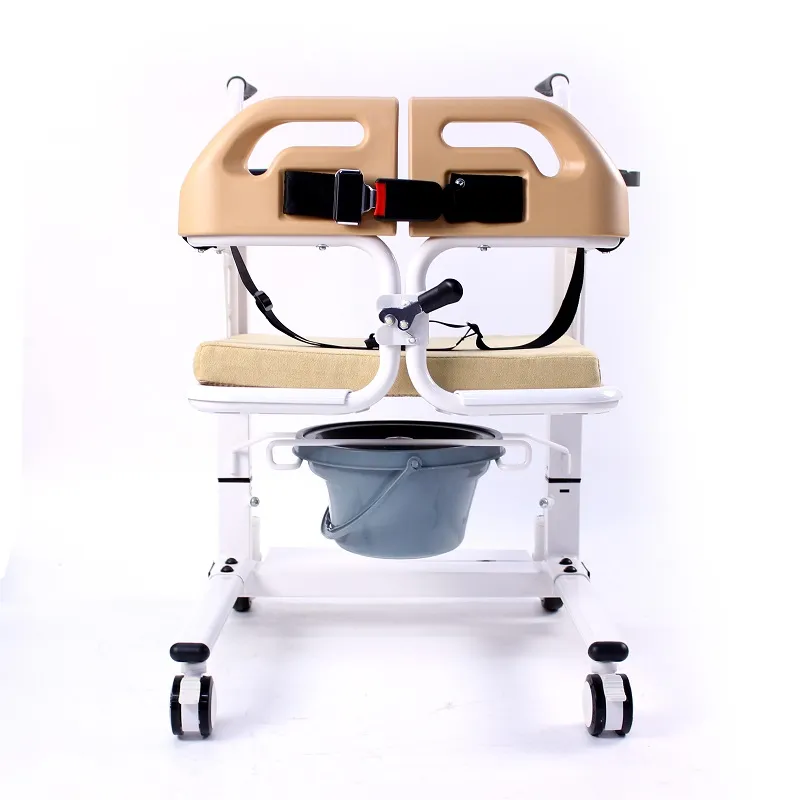
How does the electric Lift Transfer Chair achieve "true labor-saving"?
1. Electric Drive System
The electric Lift Transfer Chair is equipped with a high-efficiency motor and control module. Controlled by buttons or a remote control, the motor drives the lifting rod to rise or fall steadily, requiring no manual force throughout the process.
The biggest advantages of this structure are:
• Smooth operation, less likely to disturb the patient
• Precise height adjustment in limited spaces
• Reusable multiple times without fatigue
2. Ergonomic Seat Design
High-quality electric Lift Transfer Chairs are designed with ergonomics in mind. The seat, backrest, armrests, and footrest conform to the human body structure, effectively distributing pressure points and allowing the patient to maintain a natural posture during transport.
Caregivers can also perform the operation while standing naturally, without bending over, squatting, or lifting forcefully.
3. Multi-point Support and Stable Chassis
Electric Lift Transfer Chairs typically feature a widened chassis and a four-wheel independent braking system, maintaining overall stability during lifting and lowering.
This not only reduces the caregiver's hand support pressure but also prevents the risk of patient tilting or slipping.
4. Intelligent Control and Assistive Functions
Some high-end electric Lift Transfer Chair models include one-touch lifting, height memory, alarm systems, and anti-pinch protection.
These intelligent designs further reduce operational steps and avoid the physical exertion caused by repeated adjustments.
Is an electric Lift Transfer Chair safer than a manual one?
Safety is a crucial factor when choosing a Lift Transfer Chair.
Manual lifting and lowering is prone to risks such as tilting, sudden descent, and hydraulic failure under improper operation or uneven load. Electric Lift Transfer Chairs, on the other hand, feature a smooth start and stop system and are equipped with overload protection devices to effectively prevent sudden malfunctions.
Furthermore, the electric lift transfer chair has a more robust structure:
• The frame is mostly made of high-strength aluminum alloy or carbon steel.
• The lifting rod uses a double-rail synchronous design to prevent tilting.
• It has anti-pinch and anti-slip devices to ensure safe operation.
Therefore, from the perspective of both caregivers and patients, the electric lift transfer chair has a greater advantage in safety.
Is the electric lift transfer chair complicated to operate?
Many people worry that electric equipment is cumbersome to operate, but in fact, modern electric lift transfer chairs are very user-friendly in their control design.
They usually only have two buttons: up and down, with LED indicator lights to show the status.
Some models are equipped with a wireless remote control, allowing caregivers to easily control the lifting action even from a distance from the patient.
In addition, most electric lift transfer chairs support a removable battery design, making charging convenient and eliminating the need to drag a power cord.
In other words, the electric lift transfer chair is not more complicated than a manual one; on the contrary, it is more intuitive and worry-free.
How does the electric lift transfer chair perform in different scenarios?
1. Hospital Use Cases
Hospitals experience a high volume of patients, frequent nursing care, and short but frequent patient transfers.
The electric lift transfer chair maintains stable performance even under high-frequency operation, significantly improving nursing efficiency and reducing nurses' workload.
2. Nursing Homes and Rehabilitation Centers
Elderly individuals or patients in rehabilitation require frequent relocation. The smooth lifting and safety support of the electric lift transfer chair effectively prevents falls or secondary injuries.
3. Home Care
For home care, the electric lift transfer chair is a true "labor-saving marvel" for caregivers.
Transfers can be completed by a single person, greatly reducing the burden on family members while allowing patients to maintain their dignity and sense of security.
Regardless of the environment, the electric lift transfer chair demonstrates clear advantages in terms of labor saving, convenience, and safety.
Is the maintenance of the electric lift transfer chair troublesome?
Electric devices are often perceived as requiring complex maintenance, but modern electric lift transfer chairs are actually very easy to maintain:
• The motor uses a sealed structure, requiring no frequent lubrication;
• The control system is waterproof and dustproof, suitable for hygienic environments;
• The battery system only needs periodic charging and connection checks;
• The mechanical structure only requires periodic wiping and bolt tightening checks.
Under normal use, an electric lift transfer chair typically has a lifespan of over 5 years, with extremely low maintenance costs.
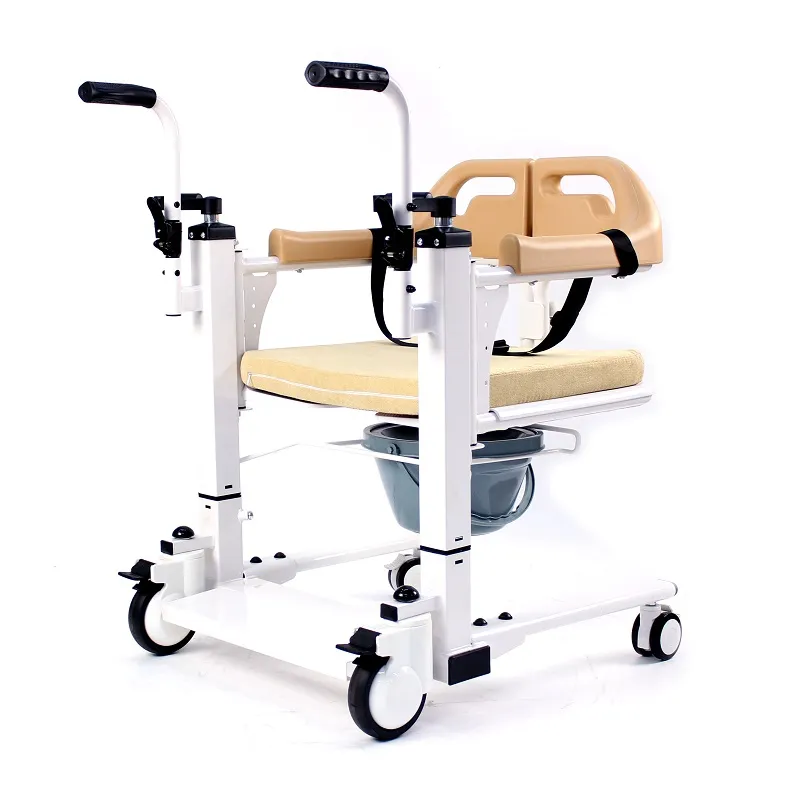
How to Choose the Right Electric Lift Transfer Chair?
After recognizing that "electric lift transfer chairs are more effortless," the following factors should be considered when purchasing, based on specific needs:
• Weight Capacity: Choose a model that matches the patient's weight (commonly 100–180kg).
• Height Adjustment Range: Must accommodate height differences between beds, toilets, wheelchairs, etc.
• Battery Life: A full charge should support at least 10–20 lifts.
• Seat Structure: A removable and washable ergonomic chair is recommended.
• Braking and Support System: Ensures independent braking on all four wheels and stable, reliable anti-slip feet.
• Protective Features: Such as anti-pinch design, overload protection, and alarm system.
Choosing a suitable electric lift transfer chair can significantly reduce nursing stress and improve patients' quality of life.
Is an Electric Lift Transfer Chair Worth the Investment?
While the initial price of an electric lift transfer chair is relatively high, from a long-term perspective, its combined advantages of saving effort, time, and worry far outweigh the cost.
• Reduces the risk of injury to caregivers
• Improves nursing efficiency and quality
• Extends equipment lifespan and reduces maintenance costs
• Enhances patient safety and comfort
Therefore, whether in healthcare facilities or at home, an electric lift transfer chair is a cost-effective and sustainable nursing investment.
Are Dayang Medical products environmentally friendly?
Dayang Medical integrates eco-friendly principles into manufacturing by using recyclable materials, energy-efficient motors, and low-emission production processes. As a responsible manufacturer in China, we ensure compliance with environmental regulations. Buyers can purchase our high quality equipment confidently, knowing that sustainability is part of our company mission.
Even with these environmental commitments, we still offer low price purchasing, wholesale discounts, and competitive factory quotes to support global partners seeking environmentally compliant suppliers.
