
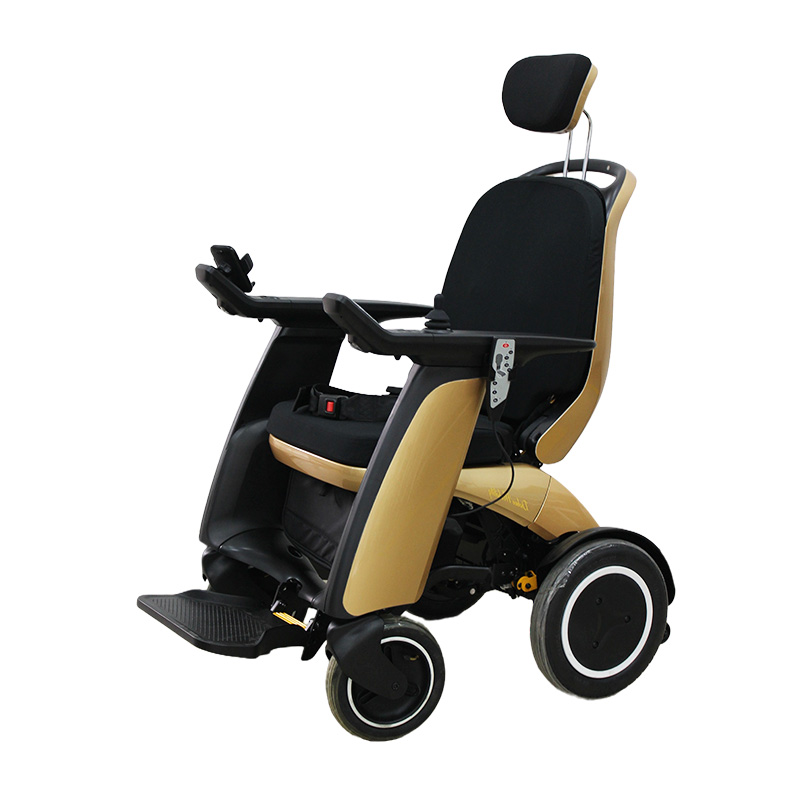

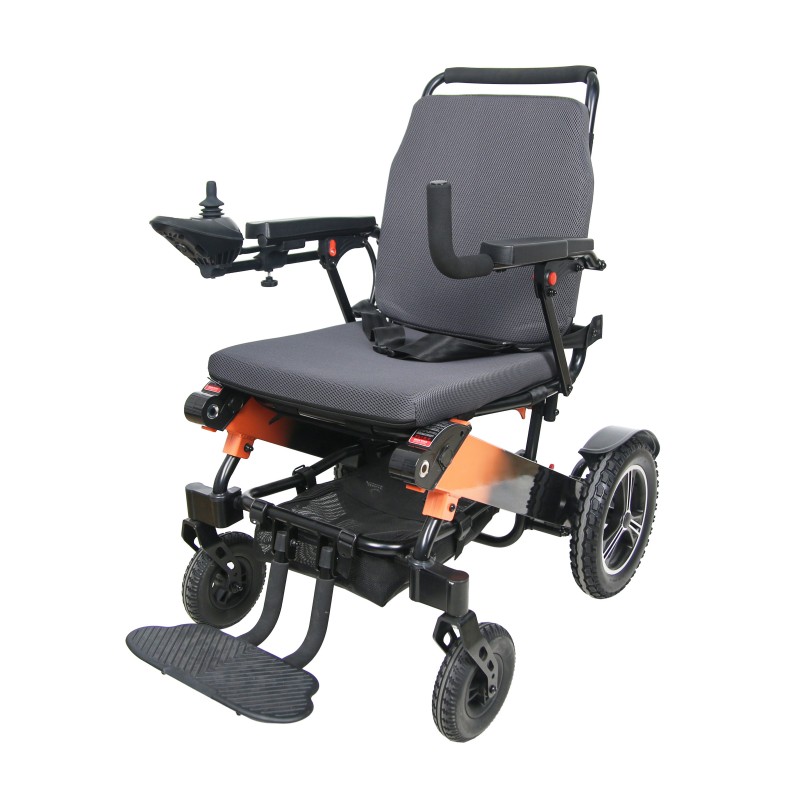
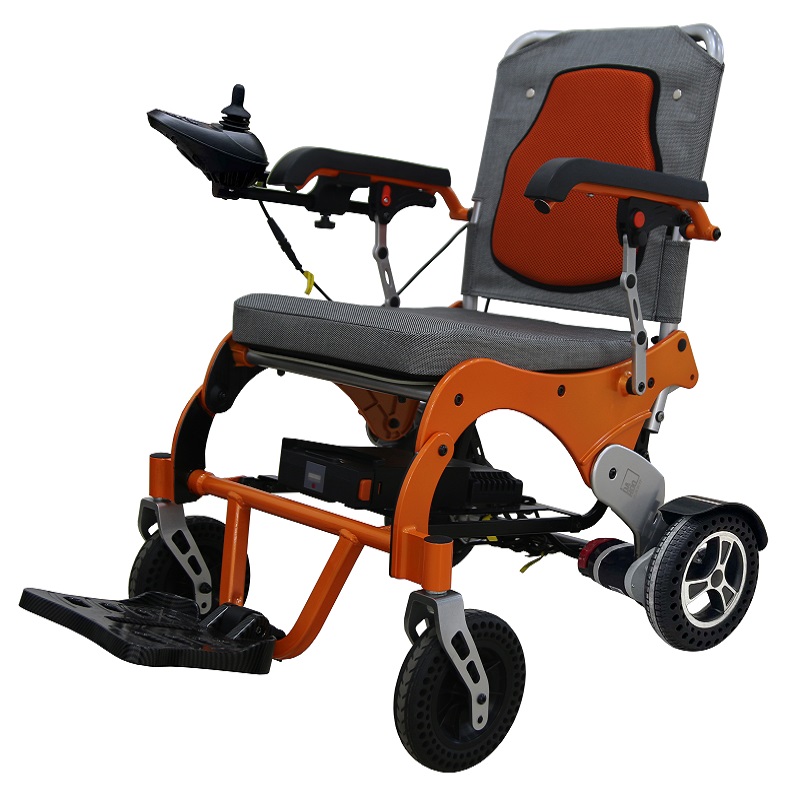
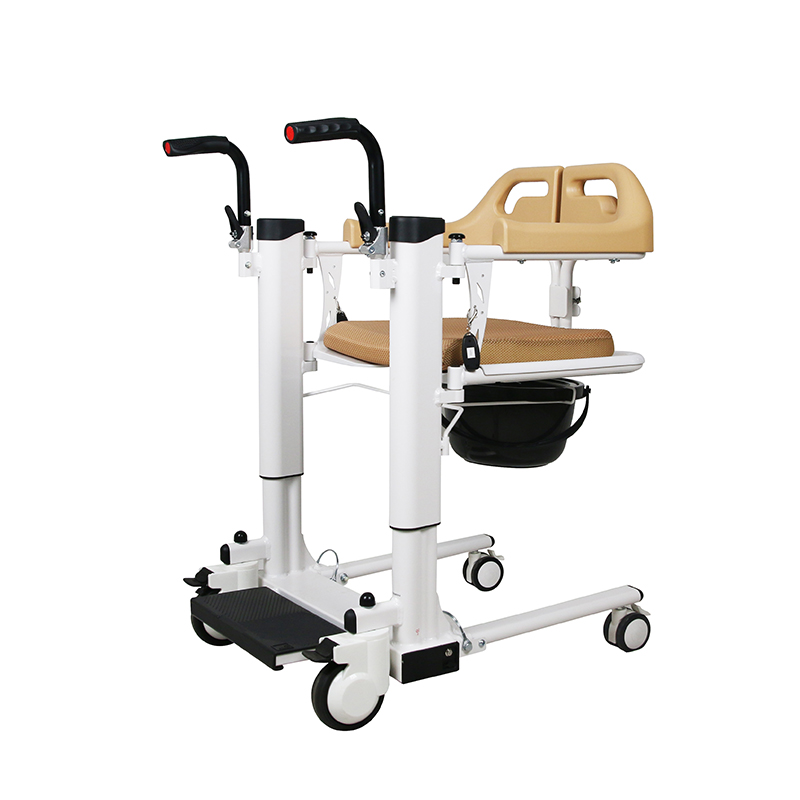

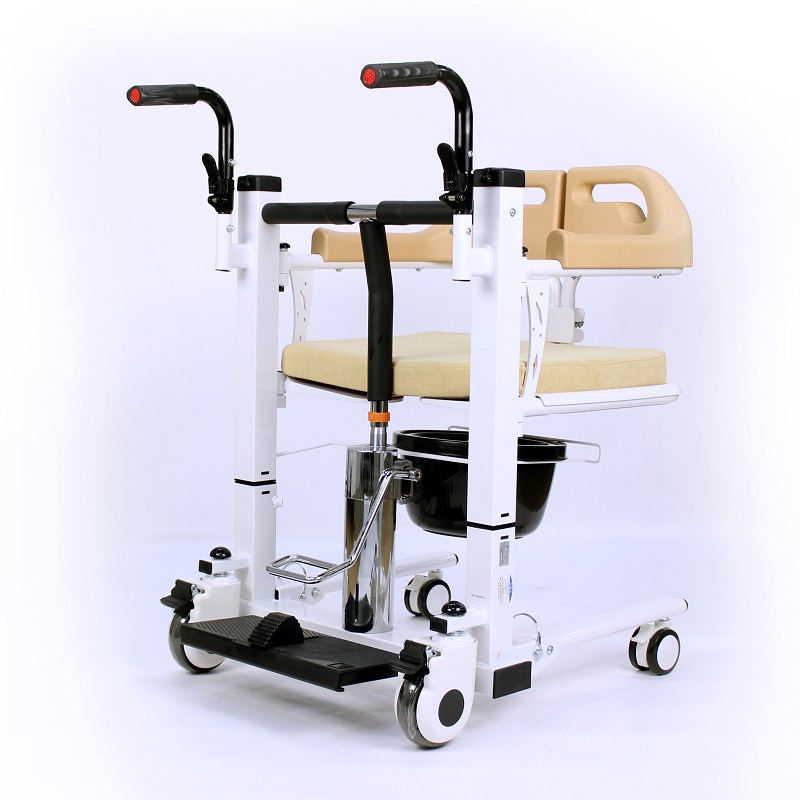
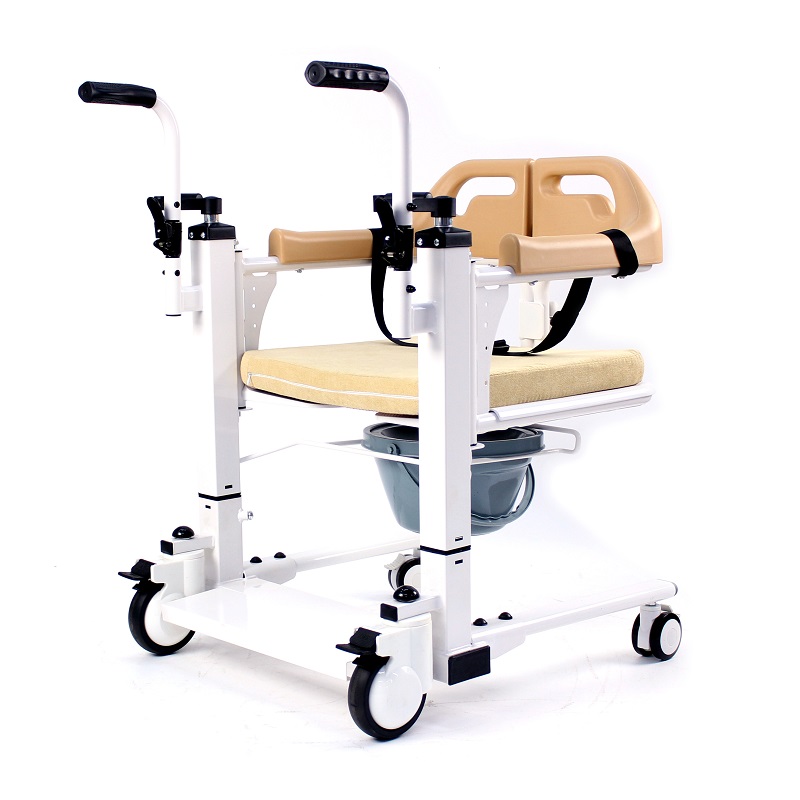
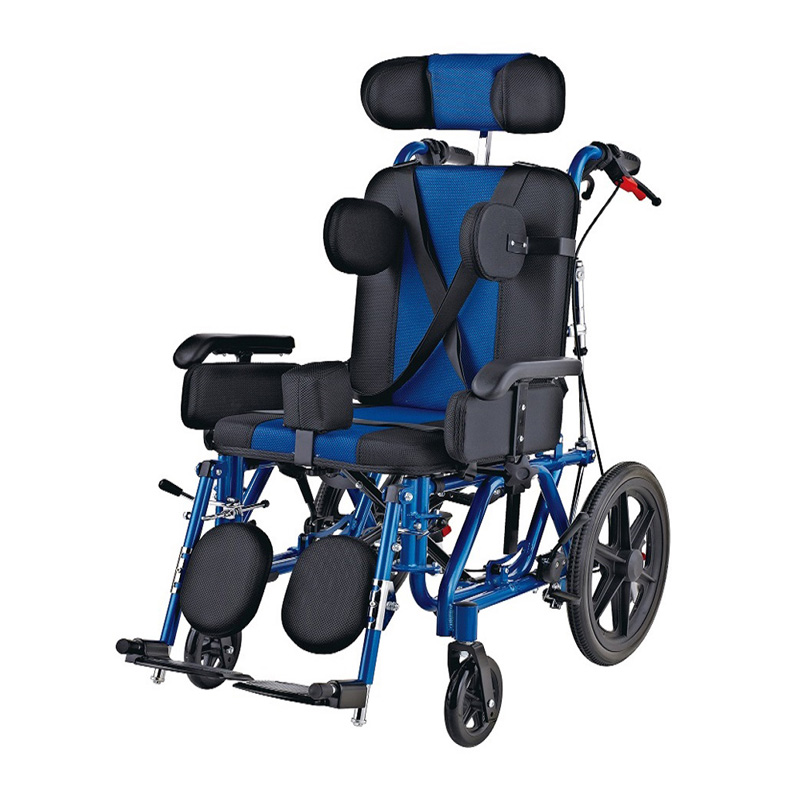

In modern rehabilitation and assistive devices for the elderly, electric wheel chairs have become daily mobility companions for many people with mobility impairments. Whether at home, in the community, or in medical institutions, electric wheel chairs greatly improve users' quality of life with their convenience and comfort.
However, with the increasing frequency of power wheel chair use, a seemingly simple yet crucial question is often overlooked: "Should I charge my electric wheelchair every night?"
This question not only relates to the lifespan of the device and battery performance but also involves user safety and daily convenience. This article will systematically analyze this issue from multiple dimensions, including battery type and charging principle, and provide professional charging strategy recommendations.
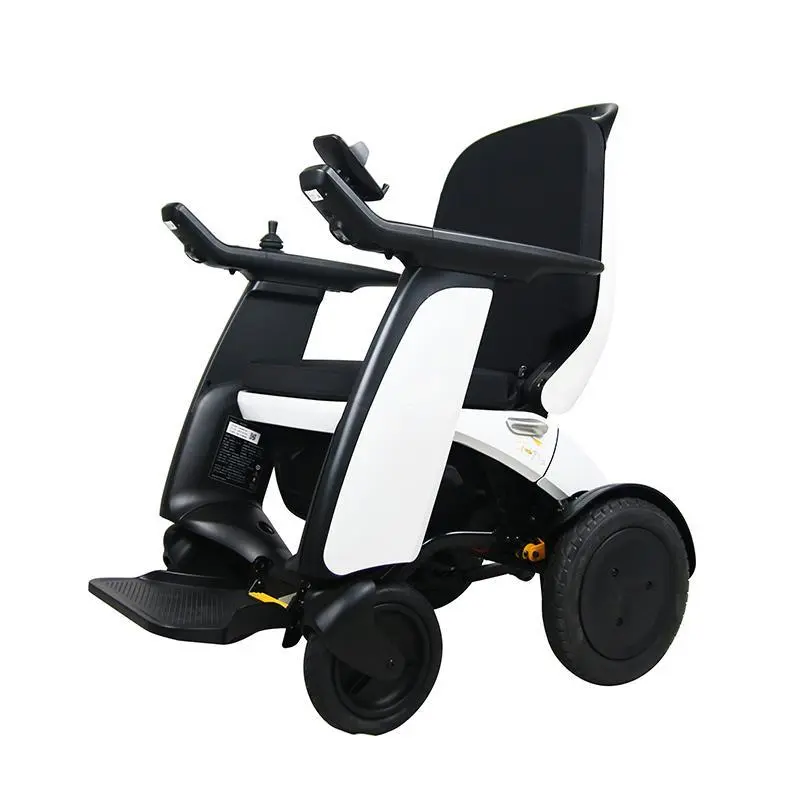
What is an Electric Wheelchair? How Does Its Electrical System Work?
1. Structure of an Electric Wheelchair
An electric wheelchair is a mobility aid powered by a battery, which drives a motor through a control system to achieve forward, backward, steering, and speed adjustment.
The main structure includes:
• Battery System: Provides the power source, typically a lead-acid battery or a lithium-ion battery.
• Control System (Controller): Controls motor operation via joystick or control panel.
• Drive Motor: Converts electrical energy into mechanical energy to propel the wheelchair.
• Braking System and Safety Devices: Ensure user safety when going uphill, downhill, or parking.
The most crucial factor determining the overall performance and range of a power wheel chair is the battery.
2. Common Battery Types for Electric Wheel chairs
Electric wheelchairs on the market primarily use two types of rechargeable batteries:
Lead-Acid Batteries (Sealed Lead Acid, SLA)
• Lower cost, high durability;
• Insensitive to temperature;
• However, heavier, slower charging, and shorter cycle life (approximately 300-500 cycles).
Lithium-ion Batteries
• Lightweight, high energy density;
• High charging efficiency;
• Long cycle life (800-1000+ cycles);
• Higher cost, but more economical in the long run.
Different battery types have different requirements for charging frequency and time. Therefore, whether or not to charge every night depends on a comprehensive judgment based on battery technology and usage intensity.
How often should a power wheel chair battery be charged?
1. Daily Usage Frequency and Battery Consumption
The power consumption of a power wheel chair depends on several factors:
• Daily usage time;
• Road slope and terrain;
• User weight;
• Ambient temperature;
• Tire and motor condition.
Generally, an electric wheelchair can travel 15–30 kilometers on a full charge. If daily usage is high, consuming more than half the battery capacity each day, it is recommended to charge daily. If usage is low, with less than 30% battery consumption, charging every other day or every two days is sufficient.
2. The Issue of "Deep Discharge" in Electric Wheelchair Batterie
For lead-acid battery-type electric wheel chairs, if the battery is frequently in a state of over-discharge (below 20% charge), its capacity and lifespan will be significantly reduced.
Prolonged deep discharge can lead to:
• Plate sulfation;
• Uneven electrolyte concentration;
• Increased internal resistance, resulting in a significant decrease in battery life.
Therefore, regular charging and avoiding excessively low charge levels are crucial for maintaining the performance of lead-acid batteries.
For lithium-ion battery-powered electric wheel chairs, although there is no severe memory effect, over-discharge can still affect cell stability and lifespan. Therefore, charging when the battery level is 30%–40% is ideal.
Should I charge my electric wheelchair every night?
1. For frequent daily users: Nightly charging is recommended
If you use your electric wheelchair for more than one hour daily, or frequently travel long distances, charging every night is the safest and most efficient practice.
The reasons are as follows:
• Ensures a full charge for the next day, eliminating battery anxiety;
• Prevents battery damage caused by excessively low charge;
• Stabilizes voltage, helping to extend overall battery life.
Especially for lead-acid battery-powered electric wheel chairs, daily charging helps prevent the battery from being in a state of undercharge for extended periods.
2. For light or occasional users
The remaining battery level can be used to determine the need for nightly charging.
If your power wheel chair is used for very short periods each day, only indoors or occasionally outdoors, nightly charging is not mandatory.
Refer to the following principles:
Remaining battery level | Does it need charging? | Recommended Operation |
| >70% | No | Charge every other day or every two days |
| 30%–70% | Charging is recommended | Disconnect the battery after it is fully charged overnight |
| <30% | Charging is required | Avoid deep discharge that could damage the battery |
3. Is it okay to charge while using?
Charging while using is strictly prohibited.
Running a power wheel chair while charging may cause:
• Unstable control system voltage;
• Abnormal battery temperature rise;
• Damage to the charger or control module.
The correct procedure is: Completely disconnect the power supply when charging, and keep the wheelchair stationary after plugging in the charger.
Will charging a power wheel chair every night damage the battery?
1. Lead-acid batteries: No, it's actually beneficial
For most lead-acid battery-type electric wheel chairs, nightly charging will not damage the battery.
This is because these batteries are designed for frequent charging during shallow discharge; prolonged undercharging will actually cause more severe capacity degradation.
Precautions:
• Each charge should continue until the charger indicator light turns "Full Charge";
• Unplug the power cord promptly after charging is complete to avoid prolonged overcharging;
• Perform a deep charge periodically (approximately once a month) to help balance the battery.
2. Lithium Batteries: Moderate Charging Frequency, Avoid Long-Term Storing at Full Charge
While lithium batteries are more durable, they are sensitive to their charging status.
Prolonged storage at 100% charge may accelerate capacity degradation.
Therefore, for lithium battery-powered electric wheelchairs, the following methods are recommended:
• If used daily: Charge overnight and unplug after full charge;
• If not used for extended periods: Store at approximately 50% charge;
• Avoid frequent charging exceeding 12 hours.
What safety precautions should be taken when charging a power wheel chair?
1. Use the original charger
Different brands of electric wheel chairs have different battery voltage and current parameters.
Using a non-original or incompatible charger may lead to:
• Battery overheating;
• Cell damage;
• Even fire risk.
Always use the original charger provided by the manufacturer.
2. Charge in a well-ventilated and dry place
The battery generates a small amount of heat during charging. In a closed or humid environment, this can easily cause the battery to overheat or short-circuit.
Recommendations:
• Avoid proximity to flammable materials;
• Do not charge in the bathroom or in direct sunlight;
• Maintain ventilation to prevent electrolyte vapor buildup.
3. Do not leave unattended for extended periods
Although modern chargers generally have automatic power-off functions, unattended charging for extended periods still poses a risk.
Especially for lead-acid batteries, the power should be unplugged after charging to prevent the charger from continuously overheating.
4. Check the plug and power cord
If the plug is loose, the cable is damaged, or the charger casing is hot, stop using it immediately and contact after-sales service for replacement.
Electric Wheelchair Battery Maintenance and Life Extension Tips
To extend the lifespan of power wheel chair batteries, the following points are particularly important:
• Maintain regular charging: Avoid charging when the battery is too low.
• Avoid use in high or low temperature environments: Extreme temperatures can affect chemical stability.
• Avoid prolonged inactivity: If left unused for more than one month, recharge every two weeks.
• Prevent battery vibration and tipping: Physical impacts can damage the internal structure.
• Regularly check voltage: Ensure each cell has a consistent voltage to prevent uneven discharge.
What are some common misconceptions about charging electric wheelchairs?
Misconception 1: Only charge when the battery is completely depleted
This leads to frequent deep discharges and shortens battery life. Charge when the battery level is 30%–40%.
Misconception 2: The longer the charging time, the better
Modern chargers have automatic power-off functions. Overcharging will not increase battery life and may even damage the battery.
Misconception 3: No need to charge if not used for a long time
Idle batteries will naturally discharge, and prolonged low charge can cause permanent damage. Even if not used, recharge once a month.
Misconception 4: All universal chargers can be used
Different brands have different specifications. Using non-original devices can easily cause short circuits or battery swelling.
Should electric wheel chairs be charged every night?
Usage Frequency | Battery Type | Is nightly charging recommended? | Reasons |
| High-frequency use (daily travel) | Lead-acid / Lithium-ion | ✅ Recommended | Ensure battery life and prevent damage from undercharging |
| Light use (occasional movement) | Lead-acid | ✅ Recommended to charge every other day | Avoid low battery levels |
| Light use (lithium battery) | Lithium-ion | ⚠️ Depends on battery level | Maintain an optimal battery level of 50%–80% |
| Long-term storage | Any type | ❌ No need for daily charging | Top up the battery every 2–4 weeks |
The answer is not one-size-fits-all, but should be determined based on your usage frequency, battery type, and environmental conditions.
Generally speaking—
• Frequent users: Daily charging is the correct and safe practice;
• Occasional users: Charge flexibly according to battery level;
• Users who rarely use their vehicles: Regularly top up the battery to prevent over-discharge.
Proper charging habits not only extend the lifespan of your electric wheelchair but also ensure safe and comfortable travel. Remember: Scientific charging is the first step in protecting your equipment and yourself.
Why choose Dayang Medical as your wheelchair supplier?
Dayang Medical is a professional manufacturer and supplier from China with more than a decade of experience in designing and producing electric wheel chairs, manual wheelchairs, hospital beds, and walking aids. Our factory in Foshan is certified under ISO13485, ISO9001, FDA, and CE standards, ensuring high quality and reliability.
Customers from global markets choose to buy from us because we offer competitive prices, wholesale supply, factory promotions, and customized solutions.
