
In the context of modern rehabilitation medicine and an aging society, the rollator walker has gradually become a common mobility aid in home care worldwide, especially in Europe and America, due to its convenience, flexibility, and assistance for people with mobility impairments.
Rollator walkers feature height-adjustable supports, four wheels, braking systems, and foldable structures, and are widely used to assist the elderly, post-operative recoveries, and those with balance issues in walking.
However, the fact that "not everyone is suitable for using a rollator walker," often overlooked by many families and users, can actually be a source of potential accidental injuries. While rollers are useful, they are not suitable for everyone with mobility impairments. Incorrect use can lead to falls, muscle injuries, delays in rehabilitation, and even serious medical accidents.
What is a rollator walker?
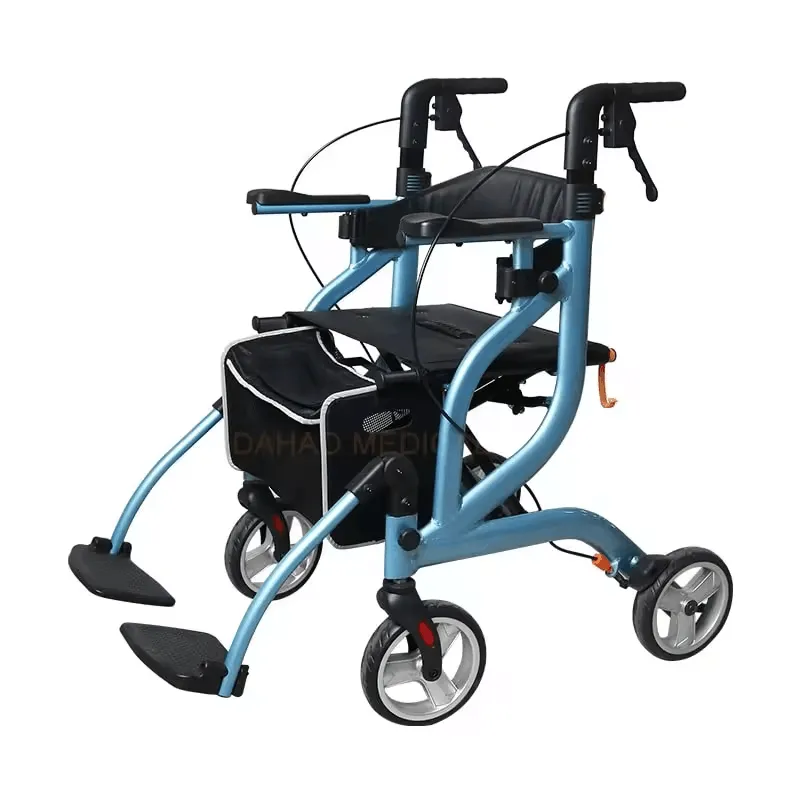
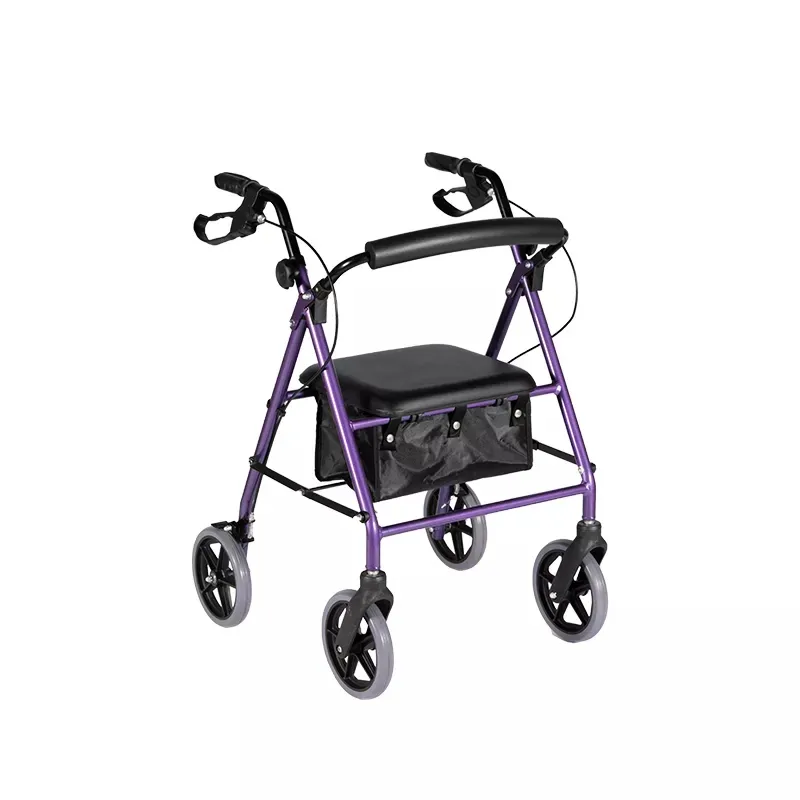
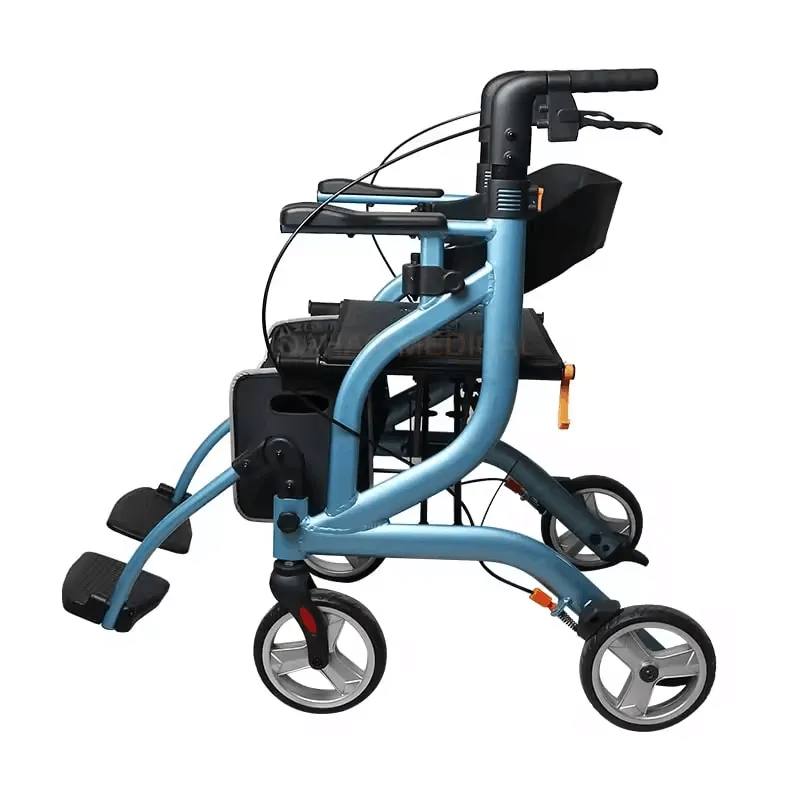
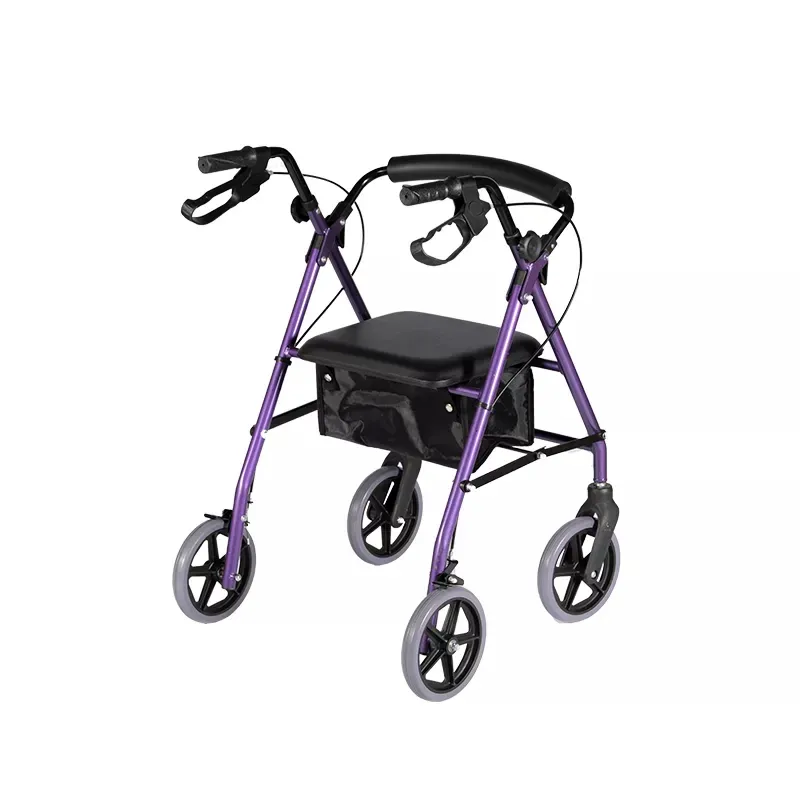
A rollator walker is a wheeled walking aid that typically includes the following components:
• Four wheels (front wheels rotate, rear wheels are fixed);
• Height-adjustable handrails;
• Built-in braking system;
• Front storage basket/bag;
• Some also include a seat for resting.
Compared to standard walking aids (wheelless or two-wheeled), rollator walkers are more suitable for people who need minimal support but possess some balance and muscle strength, helping them walk and move more naturally.
However, because rollators rely on the user's own balance and active control, users with severe muscle weakness, cognitive problems, or other motor impairments may face greater risks due to improper use.
Who should not use a rollator walker?
Five groups of people who should not use rollator walkers:
1. People with severe balance disorders
2. People with muscle weakness or severe lower limb weakness
3. People with cognitive impairment or dementia
4. People with severe visual impairment
5. People with specific neurological disorders
1. People with severe balance disorders
Characteristics:
• Unsteady gait, unable to maintain an upright posture;
• Requires assistance to stand or cannot maintain stability even with hands gripping a handrail;
• Prone to dizziness and falls during changes in posture (sitting → standing, lying → sitting).
Why should people with severe balance disorders not use rollators?
A rollator walker is a mobility aid that requires the user to have basic standing and walking balance. Individuals with severe balance disorders may struggle to control direction and speed when using a rollator, and may even fall while holding onto it.
Alternatives:
• Four-legged canes
• Walker (wheelless)
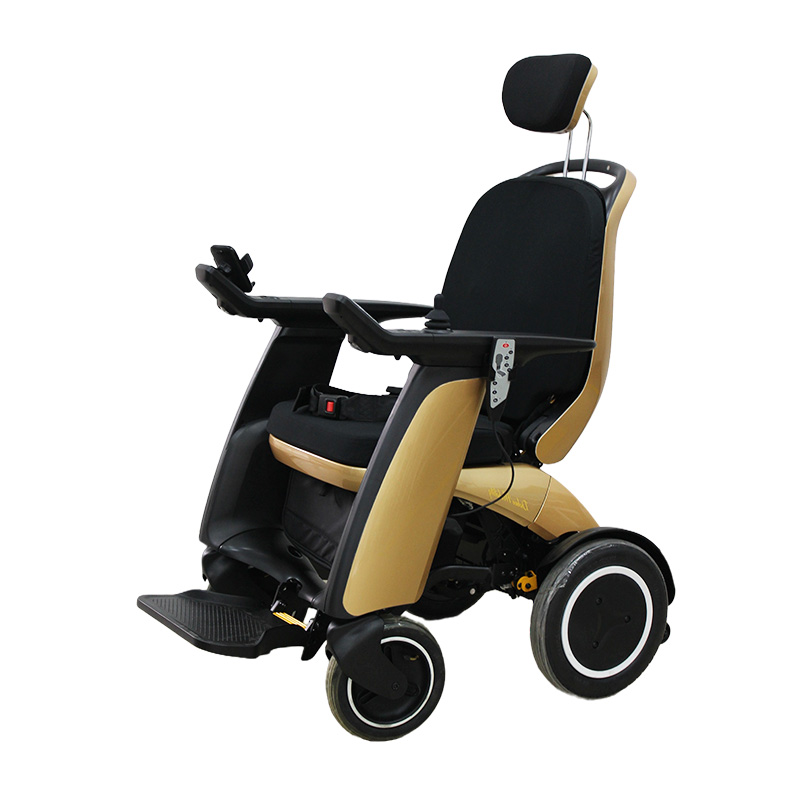
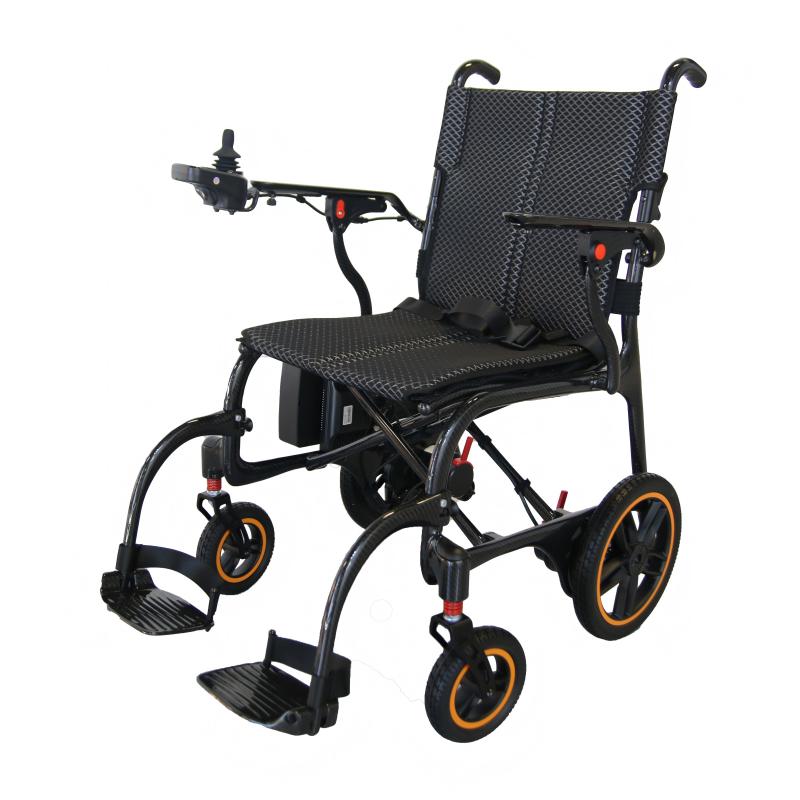
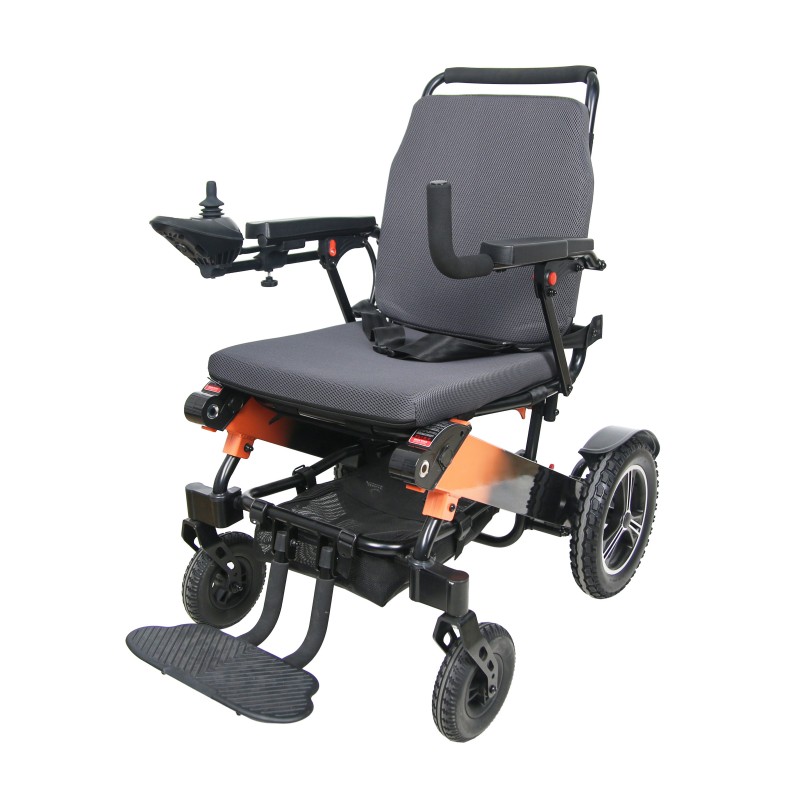
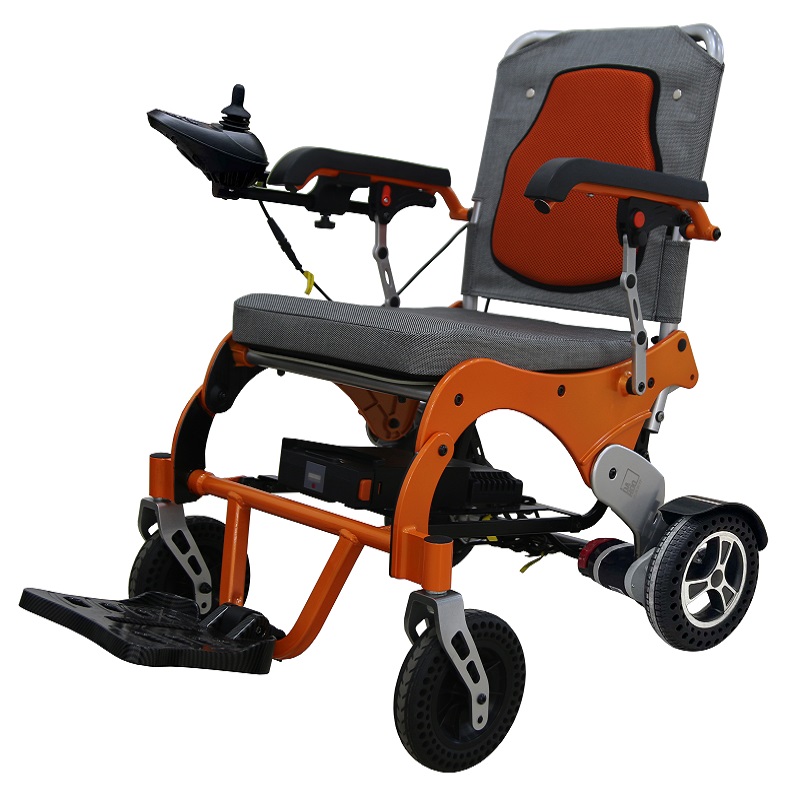
• Assisted transport or wheelchair
2. Individuals with myasthenia gravis or severe lower limb weakness
Characteristics:
• Muscle atrophy due to prolonged bed rest;
• Myasthenia gravis, spinal cord injury, hemiplegia, etc.;
• Inability to support body weight in the legs.
Why should individuals with myasthenia gravis or severe lower limb weakness not use a rollator?
A rollator walker only provides auxiliary support and cannot "bear" the user's weight. If the lower limbs themselves cannot support a standing position, even pushing a rollator will not allow walking, and there is a risk of slipping, falling, or the legs giving way.
Alternatives:
• Wheelchair
• Electric mobility scooter
• Clinical rehabilitation equipment (such as a sling walker)
3. Individuals with cognitive impairment or dementia
Characteristics:
• Alzheimer's disease (senile dementia);
• Cognitive impairment following multiple strokes;
• Inability to understand operating instructions or assess risks.
Why should individuals with cognitive impairment or dementia not use a rollator?
Safe use of a rollator walker requires judging the path, braking, speed, and direction. Individuals with cognitive impairment may not understand how to use it correctly or may not be able to react protectively in dangerous situations, easily leading to falls, collisions, or injuries.
Alternatives:
• Full-time care and accompaniment;
• Use of fall-resistant and non-slip flooring;
• Chair-style wheelchair or adjustable transfer chair
4. Individuals with severe visual impairment
Characteristics:
• Vision loss due to retinal disease, glaucoma, cataracts, etc.;
• Inability to judge obstacles, stairs, or turns;
• Loss of spatial perception.
Why should people with severe visual impairments not use rollators?
Rollator walkers require visual guidance for direction and obstacle avoidance. If a user has severe visual impairment, they are prone to misjudging routes, especially outdoors, in hallways, or near thresholds, greatly increasing the risk of accidents.
Alternatives:
• Targeted guide assistive devices;
• Walking companions;
• Voice-activated smart devices
5. Patients with specific neurological disorders
Including but not limited to:
• Parkinson's disease (bradykinesia, gait freezing);
• Epilepsy (seizures can occur at any time);
• Cerebellar ataxia (loss of limb control);
• Pituitary apoplexy (sudden decrease in muscle tone).
Why should patients with specific neurological disorders not use rollators?
The gait of these patients is unpredictable. While rollator walkers can provide support, they cannot handle sudden situations. For example, a Parkinson's patient with a frozen gait might suddenly stop and be pulled by the wheel, causing a fall; during an epileptic seizure, they are more likely to fall directly.
Alternatives:
• Customized assistive devices after medical assessment;
• Accompanying the user while walking or using a wheelchair;
• Using a traction track walking system (hospital rehabilitation specific)
What are the potential risks of misusing a rollator?
1. Falls: The rollator's four wheels are highly mobile and can easily slip on uneven surfaces such as slopes, inclines, and carpets, making it easy for those with insufficient muscle strength to fall.
2. Increased dependence: Misuse of the rollator walker may lead to over-reliance on the device, reducing active muscle activity and delaying rehabilitation.
3. Muscle compensatory injuries: Improper posture may cause fatigue or strain in the lower back and shoulder muscles.
4. Traffic risks: Failure to brake in time or improper steering when using it outdoors may cause traffic accidents.
5. Psychological misjudgment: Patients and their families may mistakenly believe that the rollator walker is suitable for all "people with mobility impairments," neglecting the importance of professional assessment.
How to determine if you are suitable for using a rollator walker?
1. Assess gait stability
• Can you stand independently for more than 10 seconds?
• Walk 10 meters and feel severely unsteady?
2. Assess muscle strength level
• Does the lower limb have basic push-off ability?
• Can the arms steadily control the handrails?
3. Assess cognitive and judgment abilities
• Can the user understand the rollator's operating procedure?
• Can the user adjust speed and direction according to the environment?
4. Assessment by a physician or rehabilitation therapist
• Strongly recommended: Before using a rollator walker, a comprehensive physical function assessment by a professional should be conducted to determine if it is the best choice.
If a rollator cannot be used, what alternative devices are available?
1. Wheelless walking aids: For individuals with weak muscles who require full support.
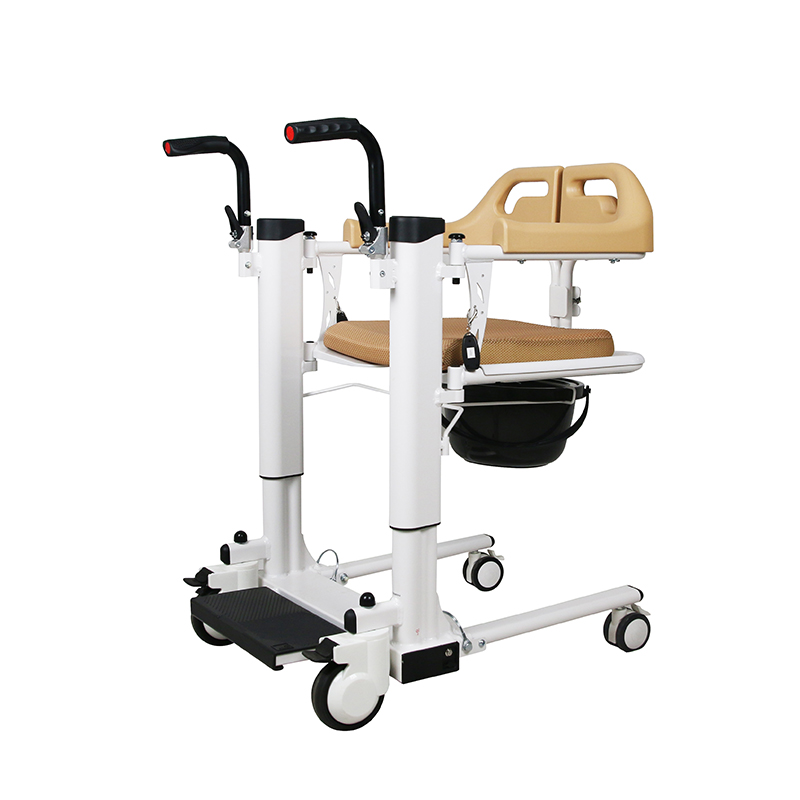
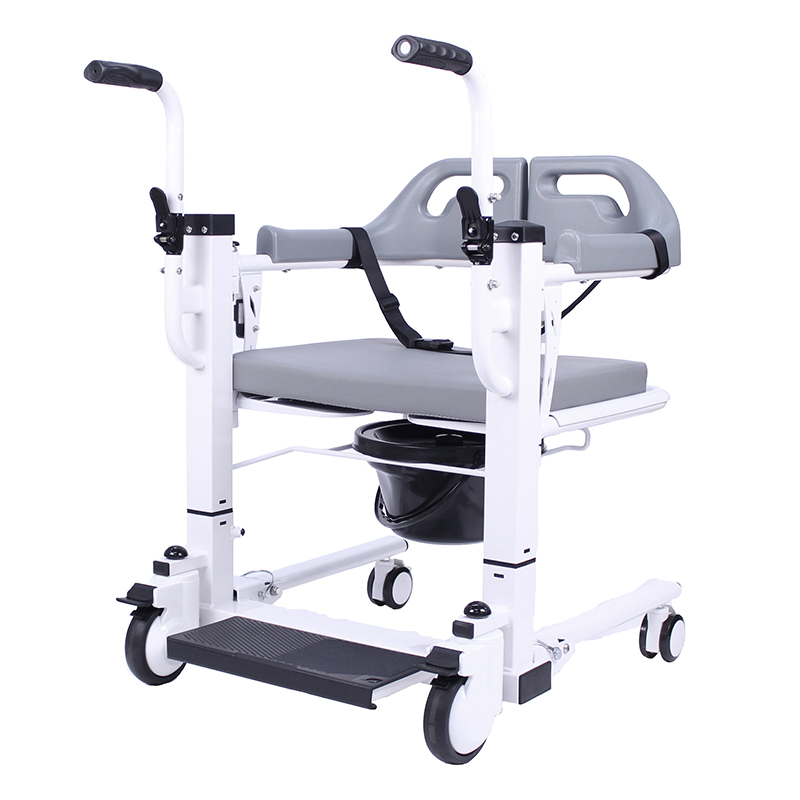
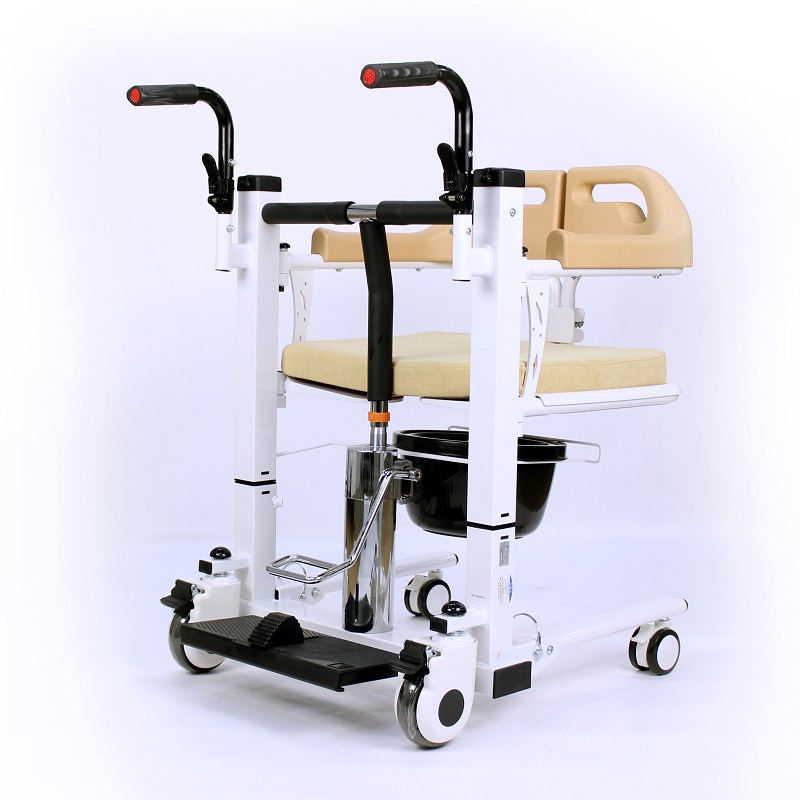
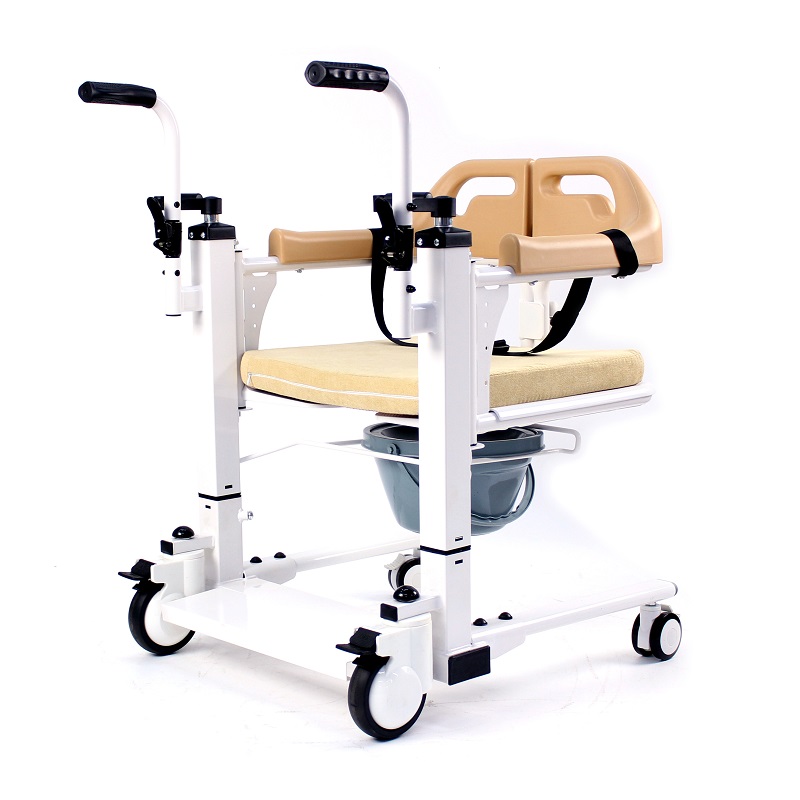
2. Adjustable transfer chairs: For those unable to walk independently or with difficulty transferring.
3. Manual or electric wheelchairs: For those unable to stand or walk.
4. Four-legged canes: For those requiring slight support but not affecting balance.
5. Medical sling gait trainers: For severe rehabilitation and hospital use.
Use Them Scientifically; Rollator Walkers Are Not a "One-Size-Fits-All" Solution
While rollator walkers are excellent tools for assisting walking, they are not universally suitable for every person with a physical disability. In reality, many accidents stem from misjudging device compatibility. For example, a late-stage Parkinson's patient fell and fractured a bone while using a rollator walker, which not only failed to improve their quality of life but also increased medical costs and caregiving burdens.
Therefore, we urge family caregivers, healthcare professionals, and patients to carefully assess individual differences and consult with doctors and rehabilitation therapists before choosing a rollator walker to scientifically select the most suitable mobility aid.
"Not using" does not mean rejecting the device, but rather choosing a safer and more effective path to rehabilitation for the user.
What safety features do Dayang Medical wheelchairs include?
Safety is a priority at Dayang Medical. Our wheelchairs include anti-tip devices, stable braking systems, reinforced frames, secure seat belts, and tested motors for electric models. All products undergo multiple safety tests before leaving our factory. Buyers can purchase these high quality wheelchairs at wholesale prices and enjoy discount promotions for bulk orders.
As a certified manufacturer in China, we provide reliable quotes, affordable purchasing options, and customized upgrades for clients who want enhanced safety features.
