
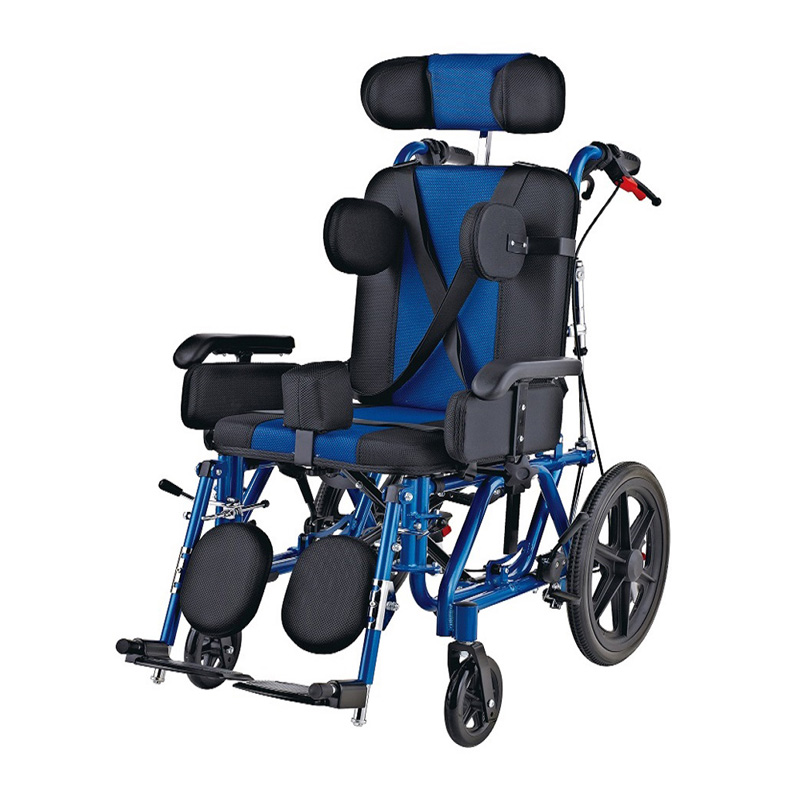
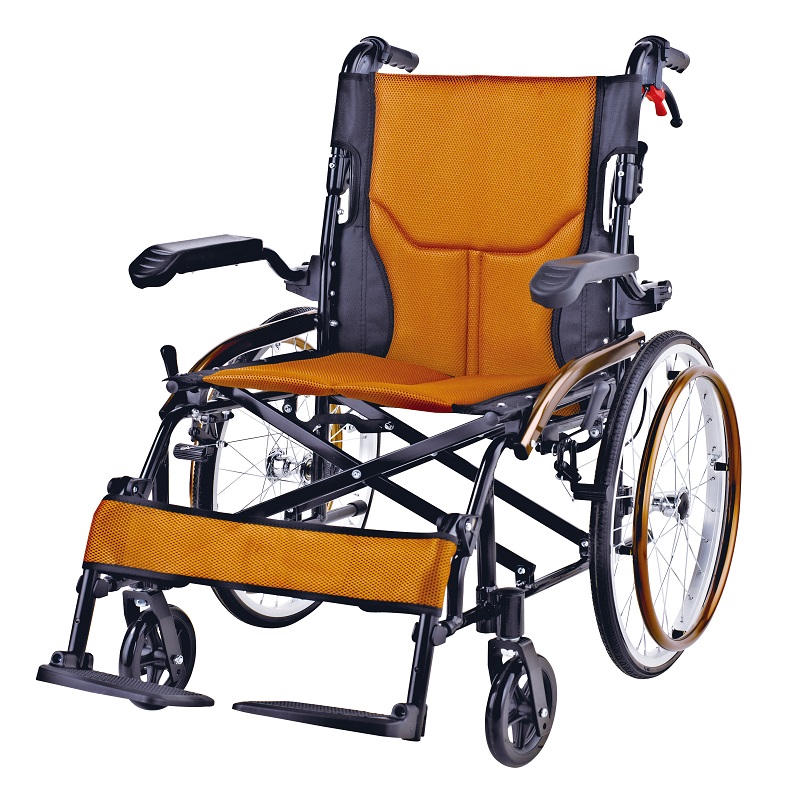
Observations in hospitals, community rehabilitation centers, and home care settings frequently reveal that people who use wheelchairs for extended periods, especially those who are completely bedridden or sedentary, typically have significantly thinner lower limbs than the average person.
Some patients experience severe muscle atrophy in their legs, leading to a noticeable reduction in leg circumference and a feeling of "no fat on my legs" when wearing clothes.
This article will provide an in-depth explanation of why the legs of wheelchair users are often thinner. This phenomenon is not accidental but has a clear physiological basis.
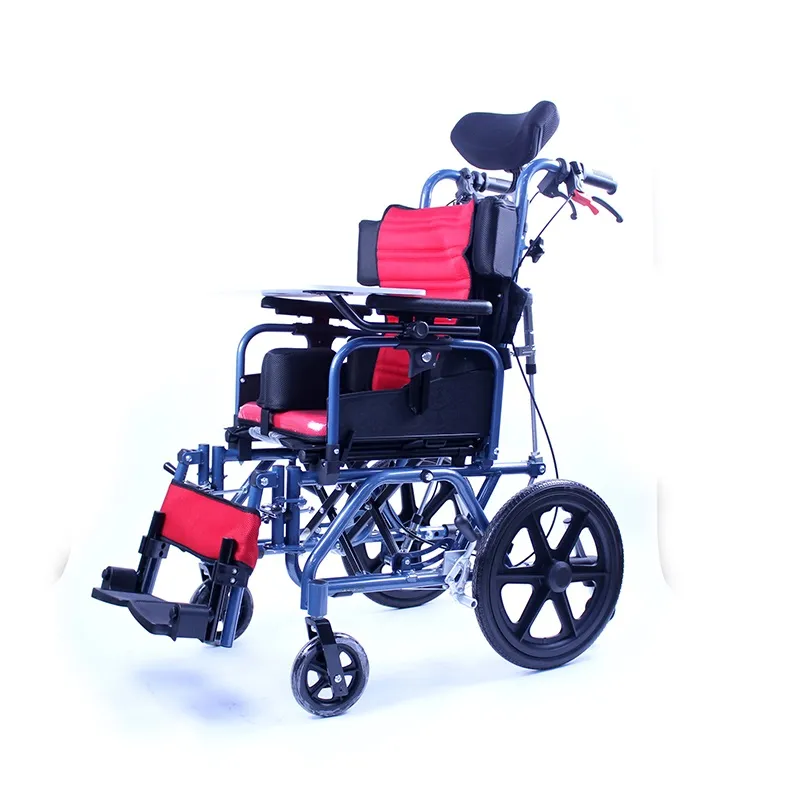
Why do leg muscles become thinner?
1. Muscles atrophy from disuse
Muscles are tissues that follow the principle of "use it or lose it." When the burden on leg muscles from daily activities like standing, walking, and climbing disappears, the synthesis-decomposition balance within muscle fibers shifts towards protein breakdown, leading to a gradual reduction in muscle volume and cross-sectional area.
2. Physiological Adaptation Mechanisms of Skeletal Muscle
Prolonged sitting or lying down leads to decreased muscle compliance: reduced blood flow, reduced nerve innervation, decreased metabolic rate, insufficient mitochondrial activity in muscles, muscle energy deficiency, and gradual degeneration and atrophy.
3. Unlike fat, muscle is dynamic, living tissue
If the legs lack daily weight-bearing and pushing stimulation (such as walking, climbing stairs, etc.), the body will actively reduce unnecessary muscle volume to conserve energy. This is particularly typical in long-term wheelchair users.
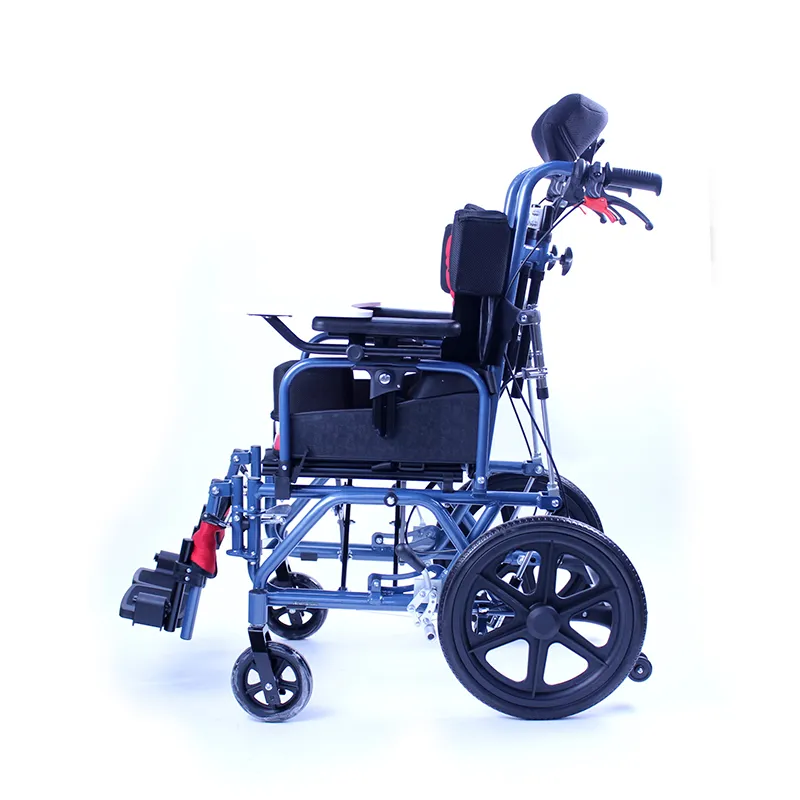
Will using a manual wheelchair make your legs thinner?
1. Although called a "manual wheelchair," leg involvement is still extremely limited
Users mainly rely on their upper limbs to propel the wheelchair; the legs hardly participate in the pushing process. Unless using a leg-pushing assist bar, the lower limbs lack the necessary mechanical load.
2. Prolonged sitting exacerbates muscle disuse atrophy
Manual wheelchair users maintain a sitting posture, but their legs lack support and muscle activity, especially the quadriceps femoris and calf muscles, which remain in a relaxed state. Over time, muscles gradually atrophy and decrease in size.
3. Wheelchair users are more likely to neglect lower limb exercise
Many users of manual wheelchairs and their caregivers focus more on daily living assistance but neglect rehabilitation training. The lack of active leg relaxation, passive leg lifting, and stretching helps prevent muscle loss.
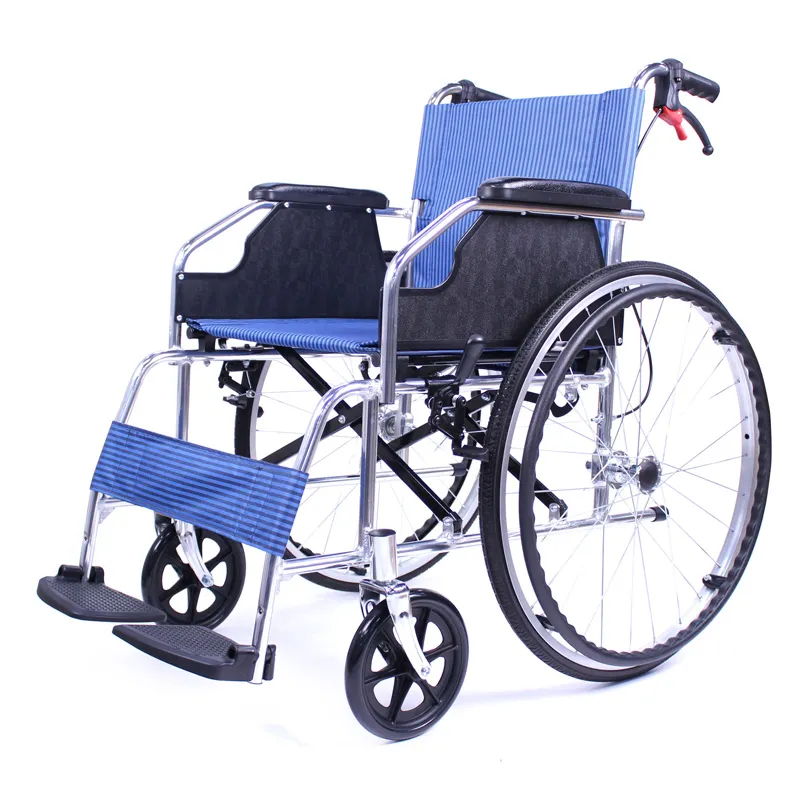
Why are the legs of electric wheelchair users thinner?
1. Complete reliance on propulsion, less leg involvement
Compared to manual wheelchairs, electric wheelchairs are propelled entirely by motors, leaving users with almost no leg movement. Legs are inactive for longer periods, leading to more severe muscle atrophy.
2. Smaller activity space, significantly reduced exercise opportunities
Electric wheelchairs are often used in all-day residential settings (such as homes and nursing homes). The lack of leg movement and minimal weight load accelerates muscle atrophy.
3. Increased psychological dependence, weakened awareness of active movement
A significant "convenience dependence" exists among electric wheelchair users; they often believe that "pushing a wheelchair is strenuous, so an electric one is more convenient." However, this psychological state leads to almost zero awareness of leg exercise, further weakening muscles.
Measurement and Assessment of Leg Shrinkage: More Than Just Visual Changes
1. Objective Measurement Indicators: Difference in Leg Circumference, Muscle Thickness, AFI Index
The degree of muscle atrophy can be quantified using commonly used measurement methods in hospital rehabilitation departments (such as quadriceps circumference and mid-leg circumference). For example, 50% atrophy is common.
2. Electromyography (EMG) Analysis Shows: Decreased Muscle Mobilization
Decreased neural response leads to a lower muscle fiber activation rate and weakened contraction ability. This is not the same as "visually thinner muscles," but rather a decrease in structural density.
3. Increased Fracture Risk: Muscle Atrophy vs. Osteoporosis – A Double Blow
Thin legs are often accompanied by osteoporosis, especially for all-day users of electric wheelchairs. This reduction in mesh support significantly increases the risk of fractures after a fall.
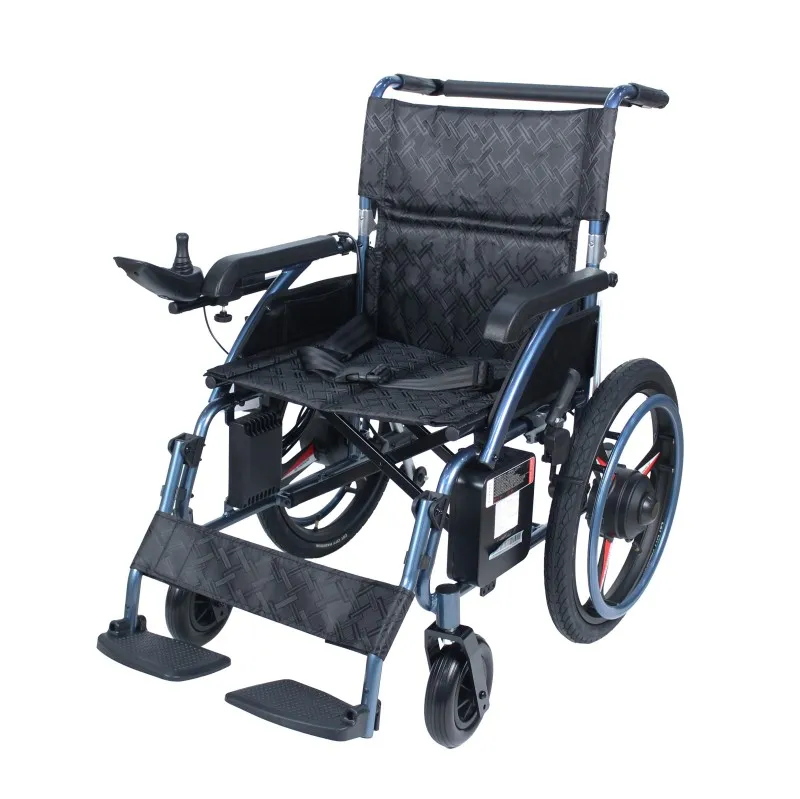
What Factors Exacerbate Leg Shrinkage?
1. Natural Muscle Loss Due to Aging
Even without wheelchair use, ordinary people experience "muscle atrophy" as they age. However, for wheelchair users, the combined effects of disuse atrophy and natural decline lead to more rapid muscle loss.
2. Poor Lower Limb Blood Circulation
Prolonged sitting hinders venous return in the legs, causing metabolic buildup and insufficient oxygen supply, thus exacerbating muscle fiber damage.
3. Comorbid Factors: Diabetes, Malnutrition
Long-term bedridden individuals often experience insufficient nutrient intake, limiting myofibril protein synthesis and accelerating tissue atrophy.
4. Drug Side Effects (e.g., Corticosteroids, Chemotherapy Drugs)
Some medications commonly used after chronic diseases or surgery have the side effect of muscle atrophy, making leg thinning more severe.
Why is leg thinning a cause for concern?
1. Muscle Atrophy Affects Daily Life
Even with a manual wheelchair, increased leg cramps and spasms, pelvic instability, and an increased probability of coccyx pressure sores occur.
2. Further Loss of Walking Ability
Once leg muscles are almost completely lost, regaining standing or short-distance standing training will face significant challenges.
3. Damaged Self-Esteem
Seeing their legs getting thinner can damage self-confidence and decrease motivation for rehabilitation, especially for the elderly and even adults.
4. Osteoporosis and Fall Risk
Disuse syndrome is often accompanied by decreased bone mineral content, making fractures more likely even with slight twisting movements during daily standing or care.
How to effectively address thinning legs? Rehabilitation Strategies
1. Even when using a manual wheelchair, active leg exercises are still necessary
•10 repetitions per side for each leg extension and raise, 2 sets daily.
•Leg resistance training (with rubber straps) can be performed on a solid wood chair back.
•Moderate standing or short-distance hand-pushing of the wheelchair (if physical strength permits).
2. When using an electric wheelchair, regular leg raises are also necessary
•3 minutes of leg raises per hour while awake.
•15 minutes of passive leg raises per session, combined with bedside leg raises and passive leg raises assisted by a rehabilitation center.
3. Request muscle function assessment and physical therapy from a medical institution
•Including myofascial release and non-myofascial stimulation (NMES).
•If muscle strength is below grade 3, passive training should be included in the plan.
4. Nutritional support: protein intake and micronutrient supplementation
•Consult a nutritionist if leg circumference decreases by more than 5% continuously.
•High-protein diet and vitamin D + calcium supplementation promote musculoskeletal health.
5. Wheelchair selection recommendations should consider rehabilitation reusability
•Comprehensive consideration of "electric wheelchair VS..." "Manual wheelchair supplement design"
•Manual wheelchairs have strong self-propelled functions that help maintain muscle mass; electric wheelchairs are best used in conjunction with leg rehabilitation training programs.
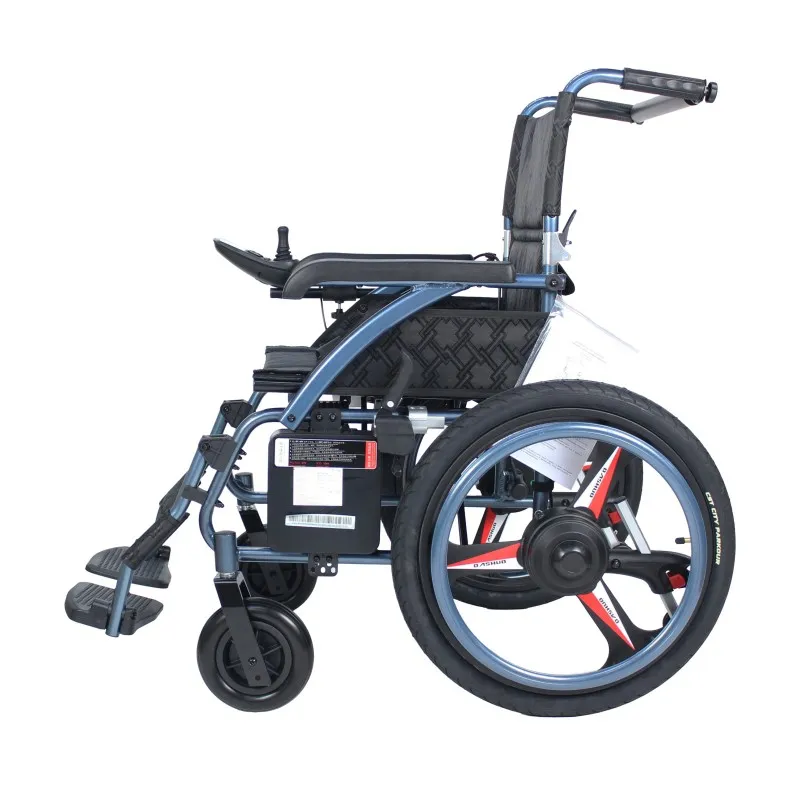
"Why are the legs of people in wheelchairs relatively thin?"
This question is largely clear at the physiological level:
•Disuse atrophy is the main cause;
• The method of propulsion affects the degree of muscle use: manual wheelchairs are slightly better than electric ones, but still insufficient;
•Age, nutrition, medication, circulation, and other factors exacerbate leg thinning;
• It poses multiple health threats.
However, thinning legs are not unsolvable. Within the rehabilitation medicine system, through active and passive training, nutritional support, and appropriate wheelchair selection, this phenomenon can be effectively delayed or even improved.
Most importantly: even thin legs are not the end; but limited mobility is a signal that we should proactively prevent and actively address this issue.
Are Dayang Medical products suitable for elderly care?
Yes, our product range is widely used in elderly care facilities and home care environments. Items like manual wheelchairs, electric wheelchairs, shower chairs, and commodes are designed for safety and comfort. Buyers can purchase these products at low prices directly from our factory and enjoy wholesale discounts for bulk supply.
Our certified manufacturing process ensures reliability, making us a trusted supplier in China. Elderly care centers choose our company because we provide cheap purchasing options, factory quotes, and high quality equipment that meets international standards.
